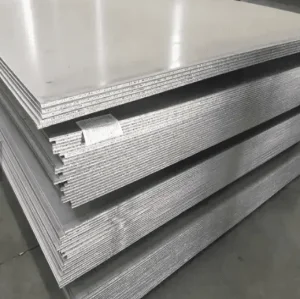
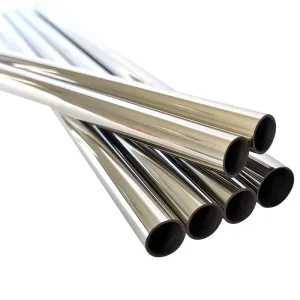
Direct industrial supply of high-specification metalwork, stainless steel channels, wire ropes, and high-alloy plates.
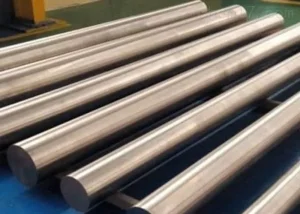
Deep Engineering Whitepaper on Surface Topography, Tensile Yield, and Dynamic Planarity
The manufacturing of a true industrial-grade mirror stainless steel belt requires strict mechanical control over the surface topography. The mirror designation relies directly on surface roughness measurements (Ra values) and light reflectance ratings. Standard cold-rolled finishes (such as BA) undergo progressive mechanical buffing and chemical-mechanical polishing (CMP) to eliminate microscopic peaks and valleys. An authentic 8K mirror belt maintains an Ra < 0.02 μm, while extreme 12K ultra-mirror specifications achieve an Ra ≤ 0.005 μm. These ultra-smooth topographies prevent localized adhesion in polymer casting and minimize stress points, significantly extending the belt's overall fatigue life.
Dynamic metal belts operate under continuous high tension and cyclical bending stress. Selecting the appropriate alloy grade dictates the boundary conditions of processing speeds. High-tensile stainless steel alloys like AISI 301, 304L, and 316L are stabilized through precipitation hardening or precise cold-reduction ratios. For aggressive chemical environments, 316L offers molybdenum enrichment preventing pitting corrosion, whereas martensitic carbon-stabilized strips provide yield strengths exceeding 1200 MPa. This makes them ideal for double-belt compression systems operating under extreme pressure.
| Alloy Grade | Surface Quality Rating | Roughness Range (Ra) | Tensile Strength (MPa) | Primary Industry Application |
|---|---|---|---|---|
| SUS 301 (Hard-rolled) | 8K / Super Mirror | 0.015 - 0.03 μm | 1100 - 1350 | Double Belt Presses, Continuous Conveyors |
| SUS 304 / 304L | 10K Polish | 0.008 - 0.015 μm | 900 - 1100 | Food Grade Belts, Architectural Casting |
| SUS 316L (Low Carbon) | 12K Ultra Mirror | ≤ 0.005 μm | 850 - 1000 | Optical PVA Film Casting, Corrosive Chemical Processing |
| Precipitation Hardening (PH) | Precision Mirror | 0.02 - 0.04 μm | 1300 - 1600 | High-Load Automotive & Composite Laminate Pressing |
How high-precision mirror steel belts act as the foundational engine for automated process lines
In modern display manufacturing (LCD and OLED polarizers), optical-grade Polyvinyl Alcohol (PVA) film must be cast onto an absolutely flawless substrate. The continuous mirror steel belt acts as this substrate, rotating through drying ovens. Any minute surface defect, pitting, or micro-groove on the belt would instantly transfer to the optical film, rendering it defective. The mirror finish ensures complete optical transparency and uniform thickness.
For industrial food processing, cleanability is directly linked to food safety. Cold-rolled conveyor belts with rough surfaces trap bacteria and organic residues, resisting sanitization. Highly polished mirror stainless steel belts exhibit extreme non-stick properties, allowing rapid CIP (Clean-In-Place) procedures. The chromium-rich oxide passivation layer resists acidic cleaning compounds and high-temperature sanitizing sprays.
The manufacturing of continuous wood composite boards, laminated plastics, and advanced structural carbon fibers relies on double-belt pressing systems. Under intense heat and high pressures, two opposing mirror steel belts run in absolute synchronization. Dynamic flatness control guarantees that the structural boards emerge with uniform thickness, precise surface texture, and excellent mechanical integrity.
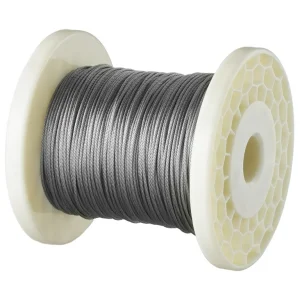
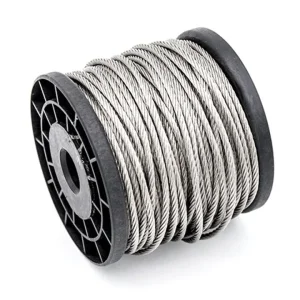
Our foundational wire rope and heavy industrial product line (Original catalog reference)
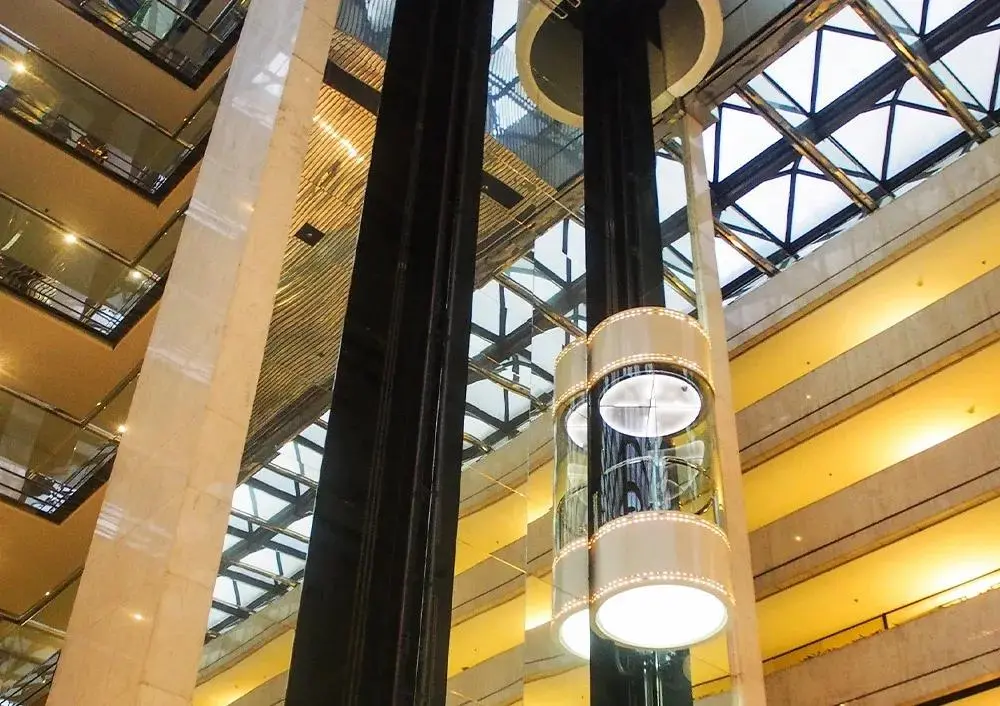
Optimized for reducing bending stress, abrasion resistance and increased stability against radial pressures.
Explore Range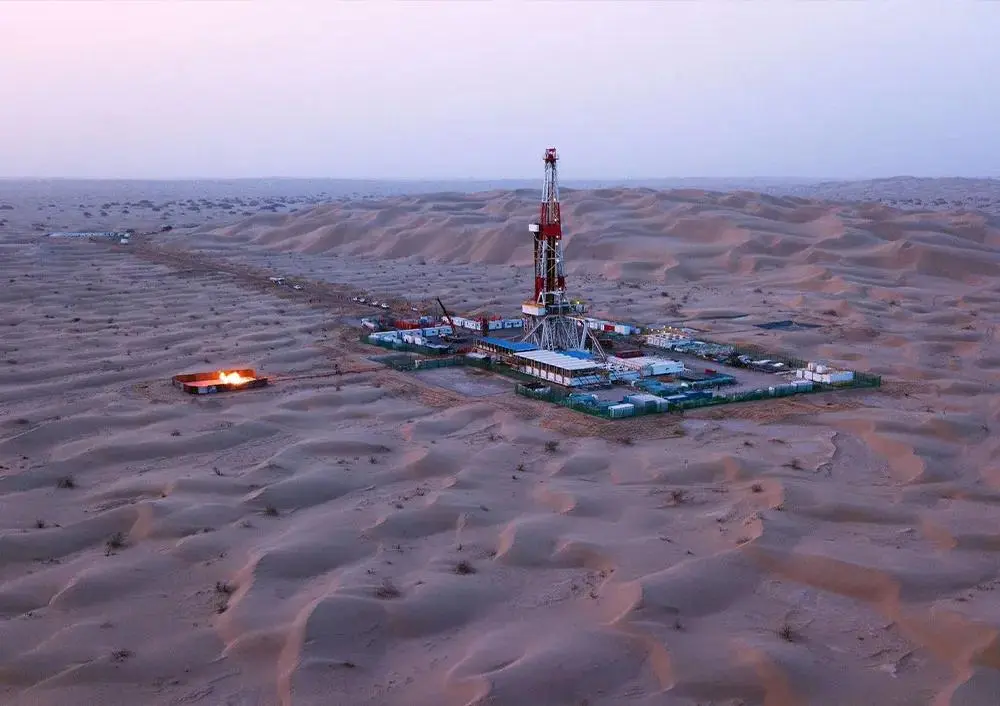
Steel core application optimized for extreme rigging durability, widely implemented in energy sectors.
Explore Range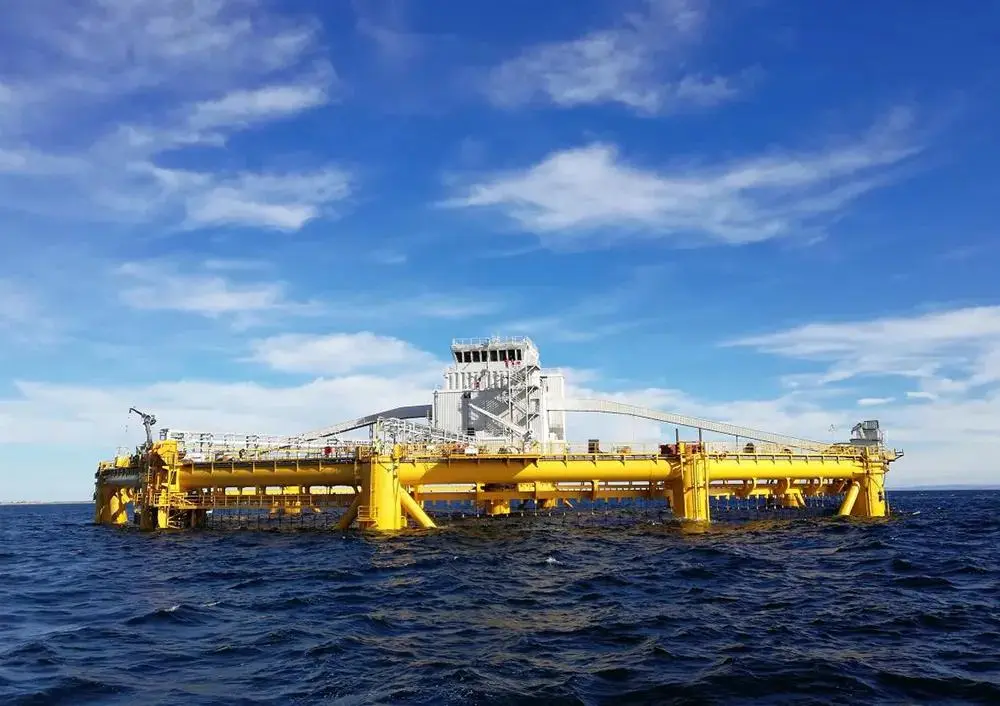
Fully sealed, multi-strand construction designed for sub-sea durability and heavy maritime rigs.
Explore Range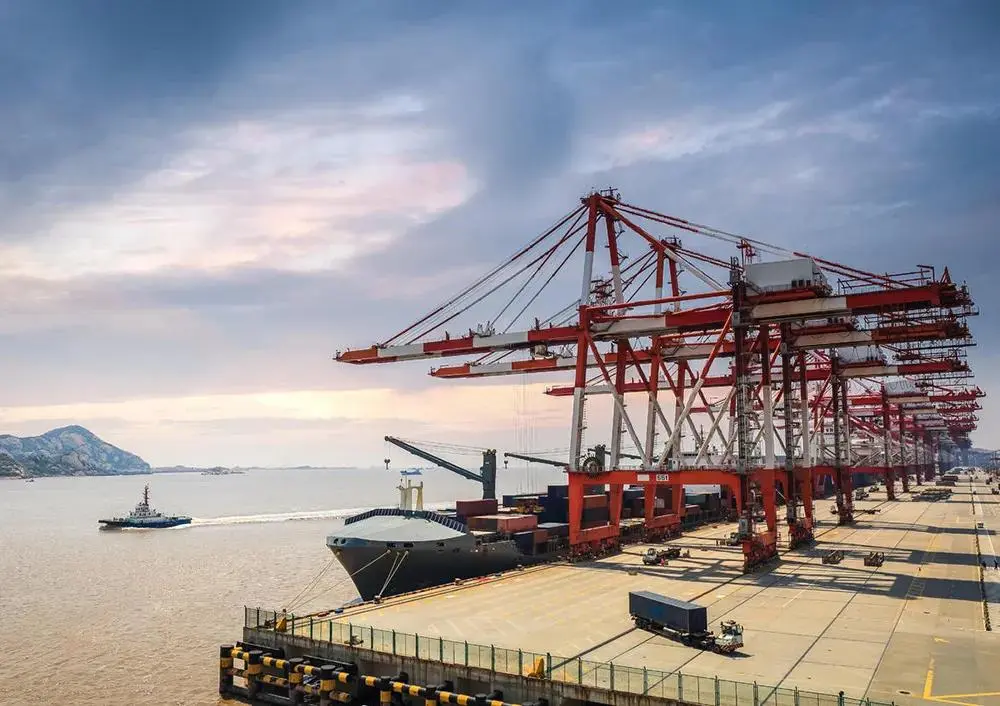
Optimized for mechanical hoist mechanisms, crawler cranes, container ports and ship-to-shore slings.
Explore RangeHow Chinese manufacturing innovations overcome the challenges of dynamic tensile fatigue
The structural vulnerability of any continuous metal belt is its joint. To prevent premature crack propagation under cyclic fatigue, Chinese suppliers utilize state-of-the-art Fiber Laser Welding. This process minimizes the Heat Affected Zone (HAZ) and prevents grain growth within the austenitic matrix. Following the welding sequence, the joint undergoes localized induction annealing to relieve internal residual stresses, and is then ground and polished to match the parent metal’s thickness and mirror roughness down to the micrometer.
A belt with poor flatness will drift laterally, causing tracking errors and edge damage. We resolve this by processing the strips through a multi-roll tension leveler, stretching the metal beyond its elastic yield point to eliminate camber, coil set, and edge waves. This ensures uniform internal stress distribution and a flat plane under tension.
Our mirror steel belts are processed and certified under strict international compliance standards:
Providing state-of-the-art, highly reliable structural rigging and steel belt products.
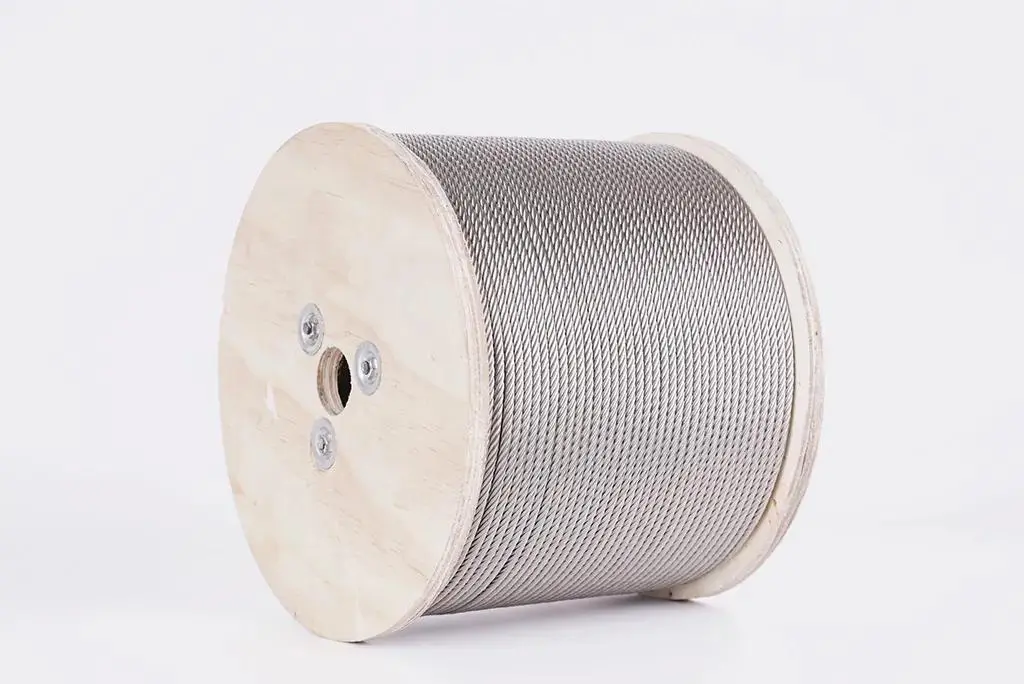
Learn more about usMainly committed to the field of steel wire rope manufacturing research and development, production, sales, service, to provide customers with the latest technology, the most valuable, the most reliable products. The production plant of steel wire rope is located in Jiangsu Province, with an annual output of stainless steel wire rope, various specifications of smooth steel wire rope, galvanized steel wire rope, plastic coated steel wire rope, compacts steel wire rope, special steel wire rope for rotary excavator, special steel wire rope for elevator, non-rotating series of Silu-Wallington-type steel wire rope, carbon spring steel wire, and other hardware rigging products. The products are widely used in construction machinery, bridge construction, ocean engineering, port lifting, coal mine, water conservancy engineering and other industries of lifting, binding and traction equipment. It is the largest and most complete steel wire rope production base in China.
Our specialized application areas with high performance dynamic steel ropes
Stainless steel wire rope has high temperature resistance, good fatigue resistance, excellent breaking tension, long service life, durability and many other characteristics, widely used in coal, petroleum, metallurgy, chemical industry, ships, Bridges, electric power, rubber, military, tourism, water conservancy, light industry and other industries. Products can be produced according to ISO, BS, DIN, JIS, ABS, LR and other international and foreign advanced standards.
Next-generation metallic belt technologies designed to support green industrial transformation
We are actively researching the integration of green hydrogen-reduced steel into our cold-rolling lines to reduce the overall environmental footprint. These eco-friendly alloys retain identical metallurgical characteristics to traditional stainless steels while lowering carbon emissions during production.
To improve durability, next-generation mirror belts will feature nano-scale coatings designed to enhance wear resistance and chemical stability in harsh manufacturing environments. This layer prevents micro-scratches from continuous blade scraping.
Integrating digital optical tracking sensors with modern double-belt systems allows for automatic calibration. Smart systems can adjust structural rollers dynamically, preventing tracking errors and protecting belt edges.
Technical clarifications from our engineering team to support procurement decisions
The difference lies in surface roughness (Ra) and polishing steps. No.8 indicates a standard mirror finish (Ra 0.03 - 0.05 μm) with minor visible lines. A 10K finish indicates advanced mechanical polishing (Ra 0.01 - 0.02 μm) with higher clarity. 12K represents a high-precision chemical-mechanical polish (Ra < 0.008 μm) with near-zero surface defects, suitable for optical film casting.
SUS316L (Low Carbon) is highly recommended. It contains 2-3% Molybdenum, which increases resistance to pitting and crevice corrosion in acidic or chlorinated chemical processes compared to SUS304.
We use high-power fiber laser welding systems to minimize the Heat Affected Zone. Localized heat treatment is applied post-weld to relieve residual stresses, followed by grinding and mirror-polishing to match the parent metal's mechanical properties.
Yes, minor scratches can be buffed out using specialized portable polishing units. For deeper structural damage or tears, we recommend laser welding a patch and re-polishing the area on-site.
Every belt undergoes tension leveling and is verified using non-contact optical deflectometry. We measure flatness under simulated operating tensions to ensure the lateral bow remains within < 0.1% tolerances.
Stay updated with our latest procurement festivals, product launches, and technological blogs
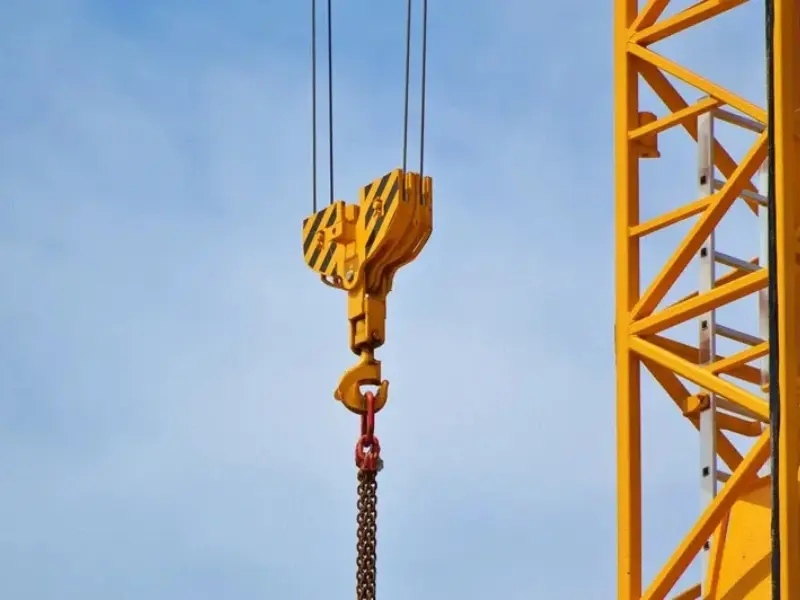
Join the September Shopping Festival and enjoy great discounts! We have been focusing on exporting steel wire ropes for more than 16 years...
Read Article
Product updates regarding non-magnetic stainless steel wire configurations, featuring specialized 7x7 weave styles for specialized machinery.
Read Article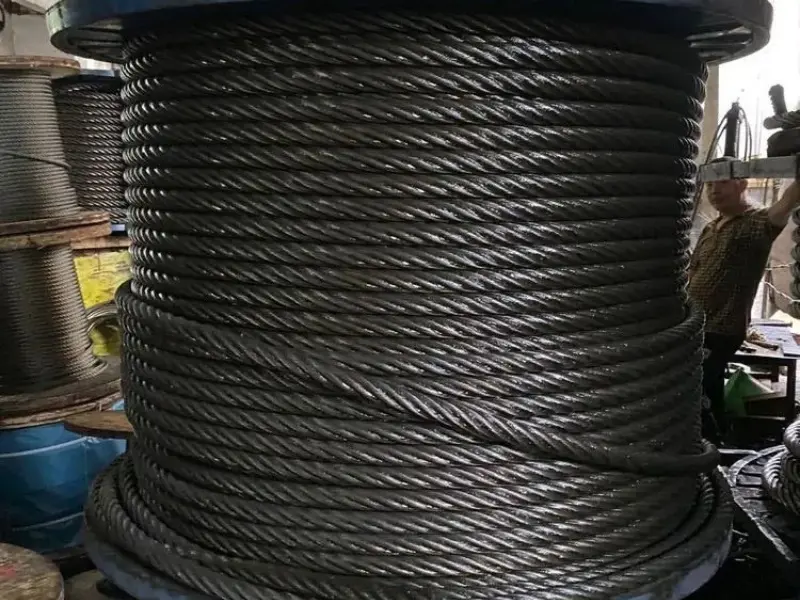
Deep dive into industrial wire rope configurations, material classifications, core choices (fiber vs. steel), and typical applications.
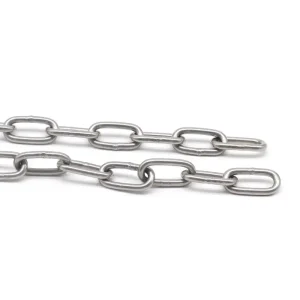
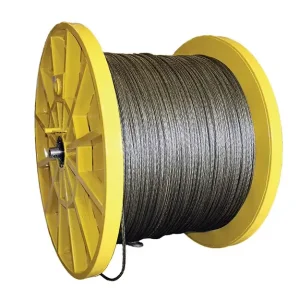
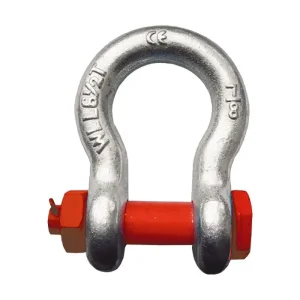
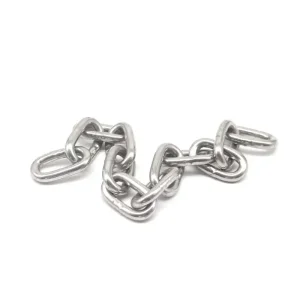
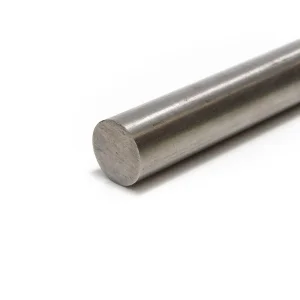
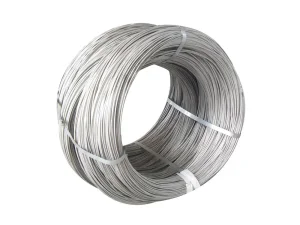
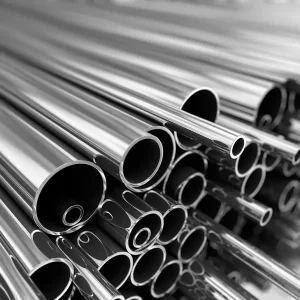
Read ArticleFactory-direct high strength carbon and stainless steel chains, shackles, and wire ropes.
 Mei Shen STEEL