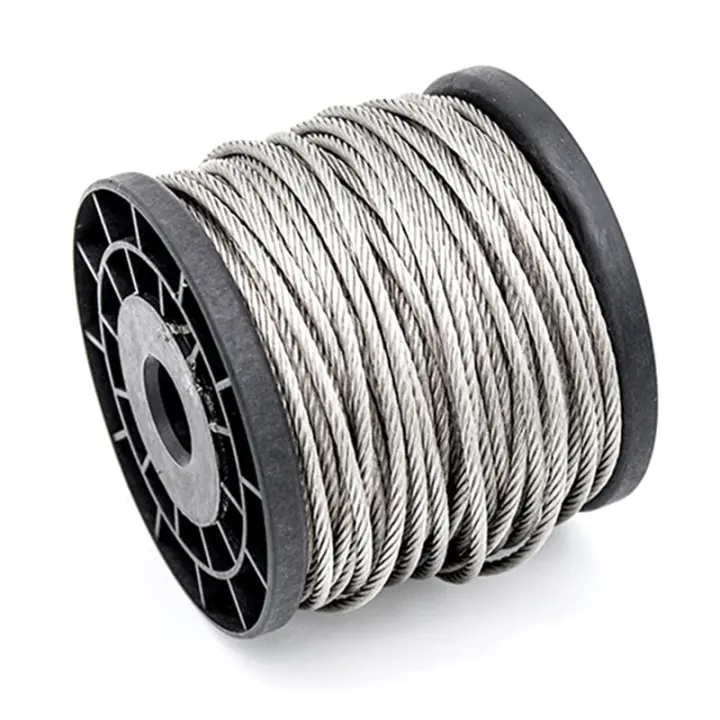
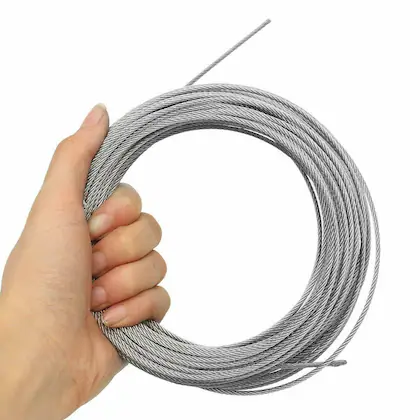
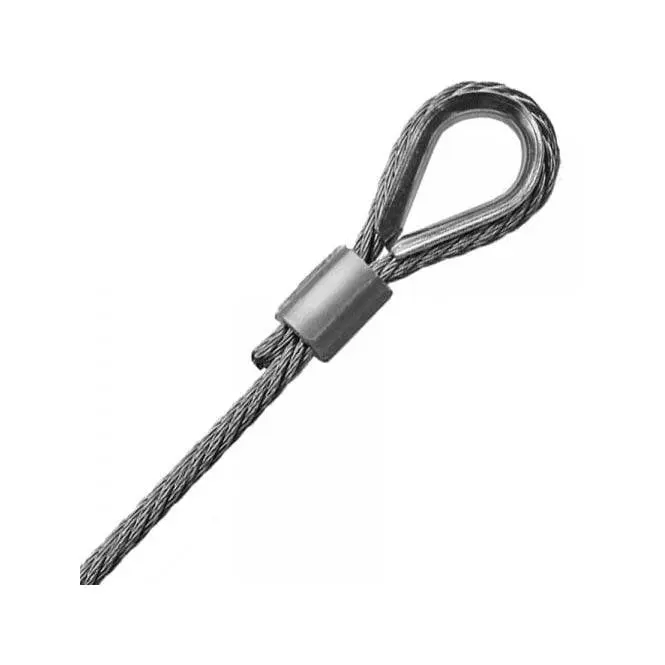
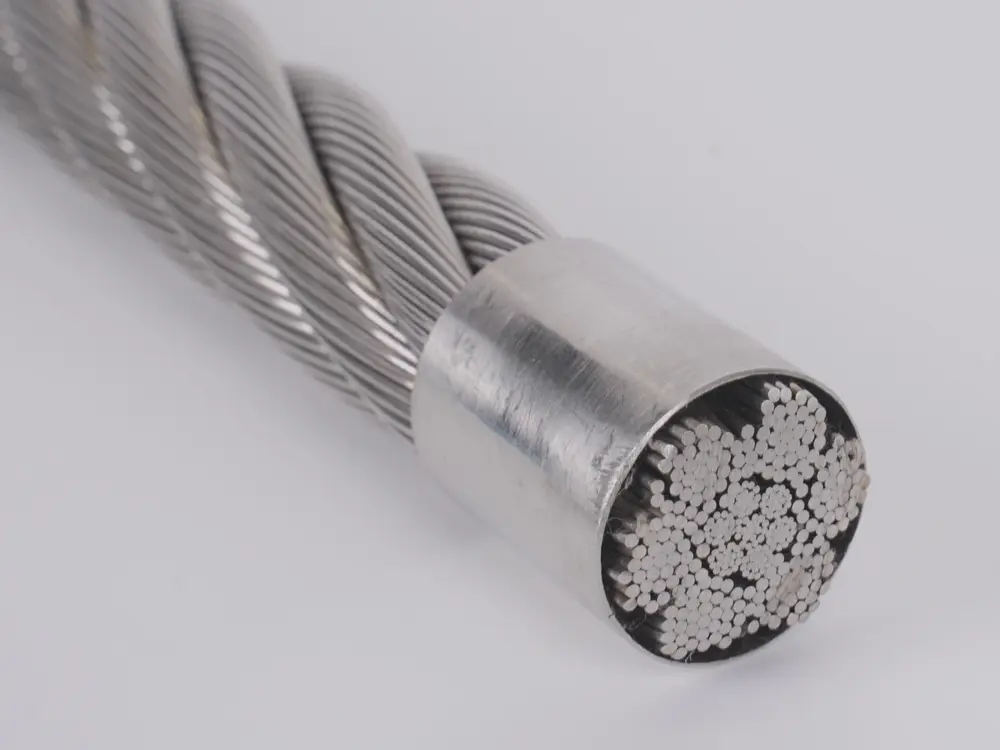
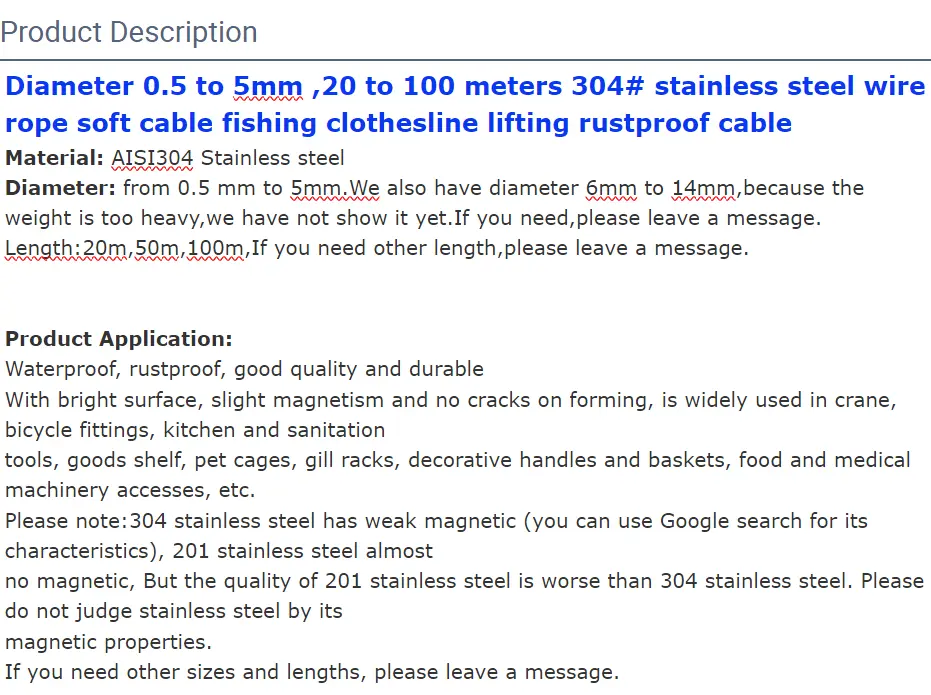
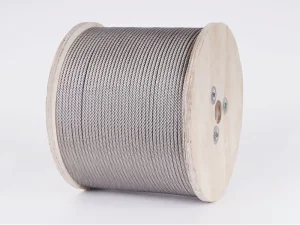
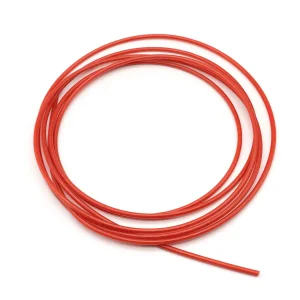
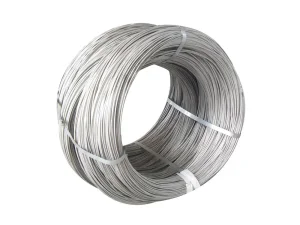
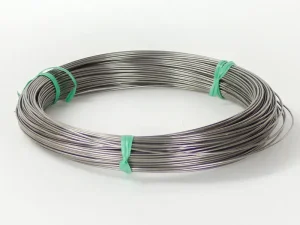
Unbreakable Strength: High-Grade Stainless Steel Wire Rope
Built to Last: Superior Strength & Corrosion Resistance
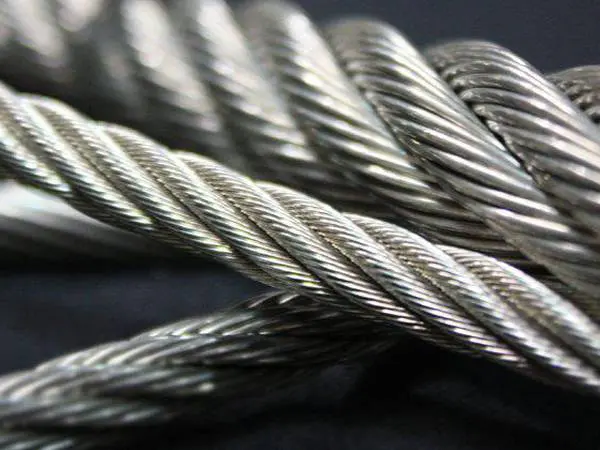
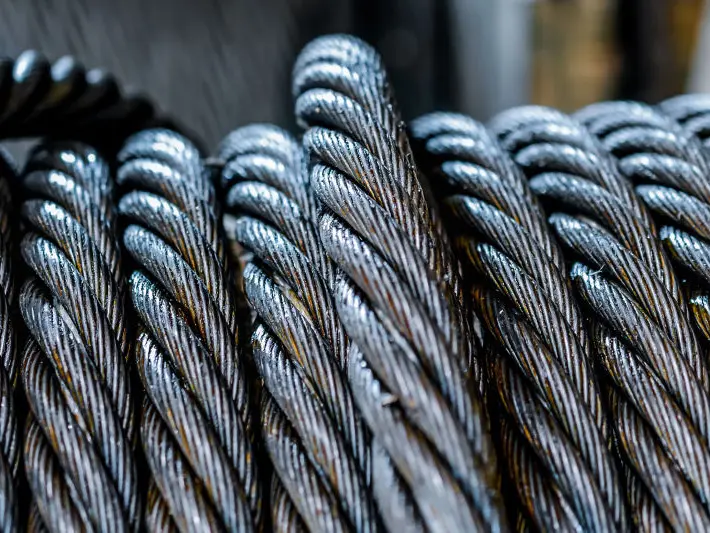
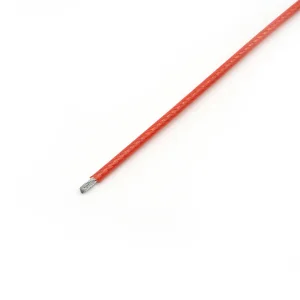
Crafted from premium stainless steel alloys, our stainless wire rope offers exceptional strength and unparalleled durability. Resistant to rust, corrosion, and harsh weather conditions, this high-performance rope maintains its integrity even in the most demanding environments. Whether you're securing heavy loads in marine applications, constructing robust industrial structures, or embarking on thrilling outdoor adventures, our stainless wire rope provides unwavering support and reliability.
2
Versatility Redefined: Endless Possibilities
From industrial rigging and construction to marine applications and architectural designs, our stainless wire rope is a versatile solution for a wide range of industries. Its smooth, consistent structure ensures easy handling and smooth operation in various environments. Whether you need to hoist heavy equipment, secure critical infrastructure, or add a touch of modern elegance to your architectural designs, this exceptional rope delivers exceptional performance and long-lasting value.
3
Safety First: Peace of Mind with Every Use
Safety is paramount. Our stainless wire rope undergoes rigorous quality control measures to ensure it meets the highest industry standards for strength, flexibility, and safety. We prioritize your safety and provide a reliable and secure solution for all your wire rope needs.
High-strength stainless wire rope for demanding applications. Corrosion-resistant, durable, and safe. Order online today!
4
How to extend the service life of wire rope?
1. Correct installation and use
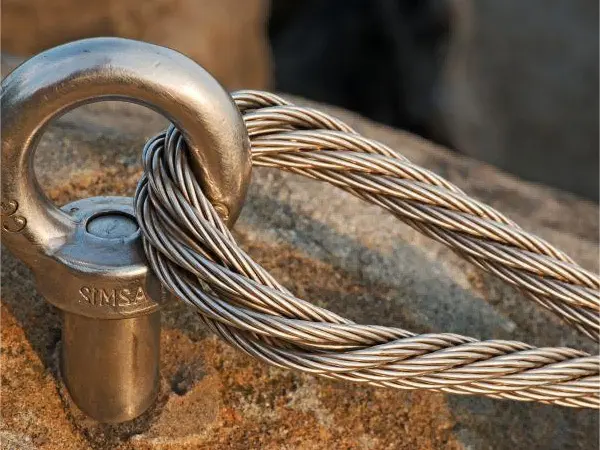
● Installation: Install the wire rope correctly according to the instructions to ensure that there is no twisting or damage.
● Use: Avoid overloading, lift at a constant speed, and reduce impact load.
● Regular inspection: Regularly check the wear of the wire rope, such as broken wire, deformation, corrosion, etc., and replace the scrapped wire rope in time.
2. Maintenance and care
● Lubrication: Lubricate the wire rope regularly to reduce friction and prevent rust.
● Cleaning: Regularly remove dust, oil and other debris on the surface of the wire rope to keep it clean.
● Corrosion prevention: When using wire rope in a corrosive environment, appropriate anti-corrosion measures should be taken, such as applying anti-rust oil.
3. Training
● Train operators to improve their safety awareness and operating skills.
4. Other precautions
● Storage: When storing wire ropes, they should be placed in a dry and ventilated place, avoiding direct sunlight and moisture.
● Scrap standards: Understand the scrap standards of wire ropes, and replace wire ropes that meet the scrap standards in time to ensure safety.
Frequently Asked Questions
What makes stainless steel wire rope better than standard steel?
Stainless steel wire rope offers superior corrosion resistance and rust protection, making it ideal for marine, outdoor, and harsh industrial environments where standard steel would degrade.
How often should I lubricate the wire rope?
Regular lubrication is essential to reduce internal friction and prevent rust. The frequency depends on the environment and usage intensity, but a consistent maintenance schedule is recommended for maximum service life.
Can this wire rope be used for architectural design?
Yes, its smooth structure and modern aesthetic make it a versatile choice for architectural designs, providing both structural support and a contemporary look.
What is the best way to store wire rope?
Wire ropes should be stored in a dry, well-ventilated area. Protect them from direct sunlight, moisture, and extreme temperatures to maintain their structural integrity.
When should I replace my wire rope?
Wire rope should be replaced immediately if you detect broken wires, significant deformation, severe corrosion, or if it meets predefined scrap standards during regular inspections.
How can I avoid damaging the wire rope during installation?
Always follow the provided installation instructions carefully, ensure there is no twisting or kinking during unspooling, and avoid overloading the rope during its initial use.
 Mei Shen STEEL