Explore our core range of high-tensile, wear-resistant, and corrosion-resistant industrial lines engineered to global quality specifications.
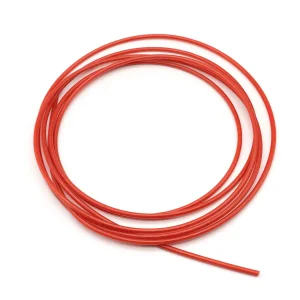
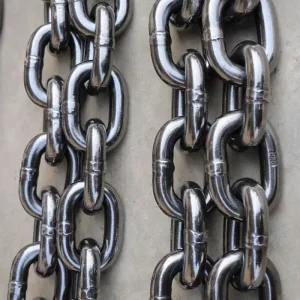
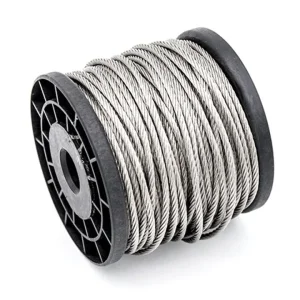
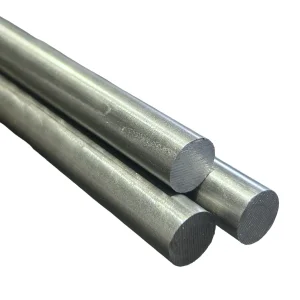
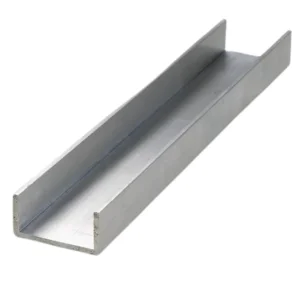
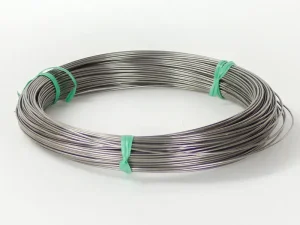
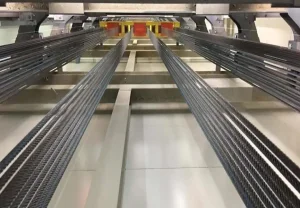
In modern high-speed continuous manufacturing, the demand for precision-engineered Corrosion-Resistant Stainless Steel Belts (often referred to as steel bands or strips) has escalated significantly. These specialized conveyor and process belts are vital components in severe operating environments where mechanical stress, aggressive chemistry, and extreme thermal conditions intersect. Unlike standard synthetic belts, metal belts constructed from premium grade stainless steel, duplex, and nickel-base superalloys offer superior dimensional stability, hygienic performance, and continuous fatigue life.
Across the global stage, sectors ranging from advanced chemical synthesis to electronic film lamination depend on the chemical homogeneity of these metallic belts. Standard choices such as Grade 301, 304, 316L, and specialist high-nickel alloys are customized with precision tension-leveling and customized welds. These properties ensure that when exposed to saline solutions, high acids, or thermal stress up to 400°C, the steel belts maintain structural alignment, flatness, and operational integrity, which minimizes downstream downtime and maximizes the yield of modern automated factories.
To resist corrosive environments, our material portfolio relies on elevated chromium (Cr), nickel (Ni), molybdenum (Mo), and nitrogen (N) contents. When exposed to oxygen, these alloying elements spontaneously form a microscopic, self-repairing passive chromium oxide layer. In environments containing chloride ions, such as marine transport or acidic food brines, local breakdown of this oxide layer can trigger pitting and crevice corrosion. Utilizing grades with high Pitting Resistance Equivalent Numbers (PREN), such as Duplex 2205 or Hastelloy-grade alloys, mitigates these degradation mechanisms.
Furthermore, stress corrosion cracking (SCC) remains a catastrophic failure mode for standard austenitic steels under tensile loads in hot, chloride-bearing fluid environments. By employing cold-rolled structural adjustments, precision heat treatments, and custom grain size control, our manufacturing partners output stainless steel belts with optimal residual stress profiles. This rigorous process significantly extends the fatigue limit under cyclic bending stresses, ensuring durability across thousands of dynamic rotations around machine drums and driving sheaves.
Choosing a reliable China stainless steel belt manufacturer offers significant efficiency and supply chain benefits for global industrial buyers. Over the past two decades, Chinese manufacturing hubs in Jiangsu, Zhejiang, and Shanghai have transitioned from standard metal production to ultra-precise metallurgical processing. Integrating raw material sourcing directly with high-capacity cold-rolling mills enables production lines to optimize resource allocation, resulting in shorter lead times and consistent product quality.
These facilities feature modern equipment like twenty-high Sendzimir cold-rolling mills, continuous tension-leveling systems, and bright annealing lines operated in hydrogen atmospheres. Advanced monitoring networks track thickness tolerances down to the micrometer level. This manufacturing precision, coupled with localized supply networks, allows Chinese factories to supply premium-grade belts at highly competitive prices. We ensure full traceabilty from melting furnace to final product, backed by certified chemical and mechanical testing records.
In practice, corrosion-resistant stainless steel belts are integrated into specialized industrial applications around the globe. In the food and beverage industry, high-hygiene stainless belts are used for deep freezing, tunnel baking, and sorting. The non-porous surface of 304 and 316L belts facilitates thorough Clean-In-Place (CIP) processes, preventing bacterial growth and meeting strict FDA and EU sanitary standards.
In the chemical and pharmaceutical industries, these belts transport high-viscosity resins, polymers, and chemical melts through cooling flaking lines. As the warm product is deposited onto the belt, the underside is sprayed with cold water or refrigerant. The superior thermal conductivity and chemical resistance of the steel belt ensure rapid, consistent cooling without risk of chemical contamination or stress deformation. Additionally, in solar PV panel manufacturing, precision belts are utilized for high-temperature continuous curing processes.
Procuring raw industrial steel products internationally requires systematic checks to guarantee high operational reliability. Buyers must look beyond surface dimensions and evaluate structural flatnesses, camber tolerances, and cross-bow parameters. Precise welding is critical: high-end belts are welded using plasma arc welding (PAW) or laser beam welding (LBW) systems, followed by heat treatment and grinding, ensuring the weld area matches the parent metal's strength, fatigue resistance, and smooth profile.
Industrial procurement teams should require complete testing certifications for all shipments, including ASTM, DIN, ISO, and EN standards. Mill test reports (MTRs) detailing chemical analysis and mechanical properties (tensile strength, yield strength, elongation, and hardness) are essential. For marine or harsh chemical environments, verifying passivation treatments and requesting salt spray test certificates ensures the product's long-term performance under demanding operating conditions.
The industry is moving toward ultra-thin, high-tensile steel belts (micro-foils) designed for compact structural layouts. By optimizing micro-alloying techniques with elements like titanium and niobium, manufacturers can reduce belt thicknesses while maintaining load capacities. This reduction in mass lowers energy consumption during start-up and running phases, directly supporting global industrial decarbonization targets.
AI-driven surface inspection systems are also becoming standard on production lines. Real-time laser imaging scans every square millimeter of the running belt for micro-cracks, inclusions, or variations in thickness. Integrating these inspection systems with predictive maintenance models allows operators to address potential issues before they cause unexpected downtime, ensuring smooth operation in automated smart factories.
Mainly committed to the field of steel wire rope manufacturing research and development, production, sales, service, to provide customers with the latest technology, the most valuable, the most reliable products. The production plant of steel wire rope is located in Jiangsu Province, with an annual output of stainless steel wire rope, various specifications of smooth steel wire rope, galvanized steel wire rope, plastic coated steel wire rope, compacts steel wire rope, special steel wire rope for rotary excavator, special steel wire rope for elevator, non-rotating series of Silu-Wallington-type steel wire rope, carbon spring steel wire, and other hardware rigging products.
Our high-specification products are widely used in construction machinery, bridge construction, ocean engineering, port lifting, coal mine, water conservancy engineering and other industries of lifting, binding and traction equipment. It is the largest and most complete steel wire rope production base in China.
Providing heavy-duty, high-performance wire ropes engineered for demanding structural and mechanical tasks.
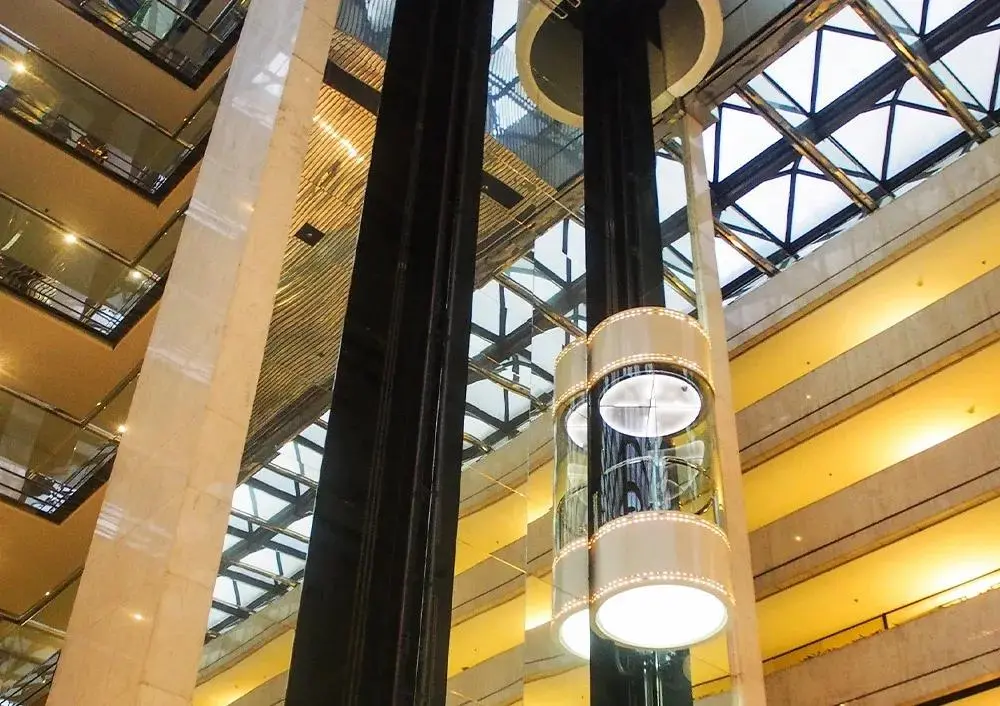
Optimized for reducing bending stress, abrasion resistance and increased stability against radial pressures.
Learn More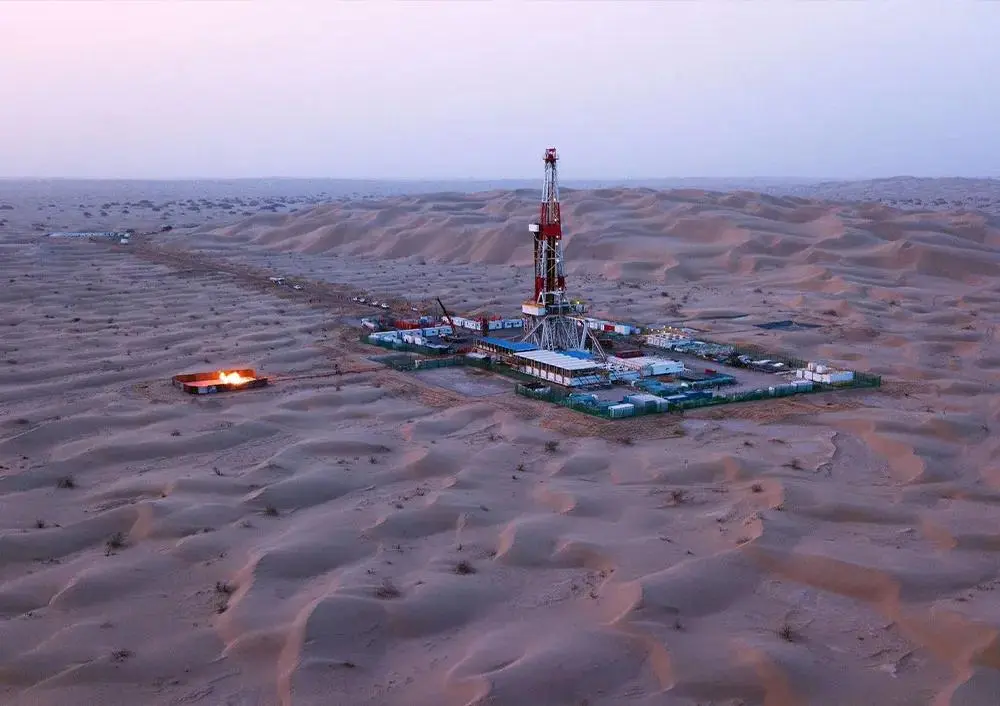
EIP level application widespread, designed with advanced steel cores for dynamic oilfield environments.
Learn More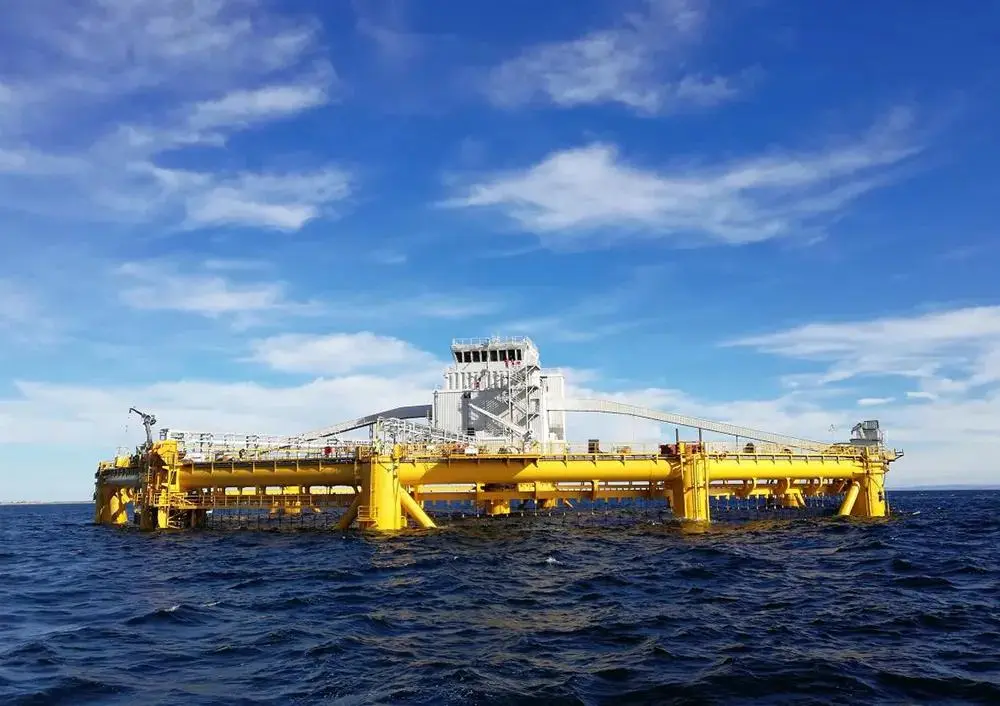
Featuring single strand, 6 strand, and fully sealed wire ropes for extreme marine environments.
Learn More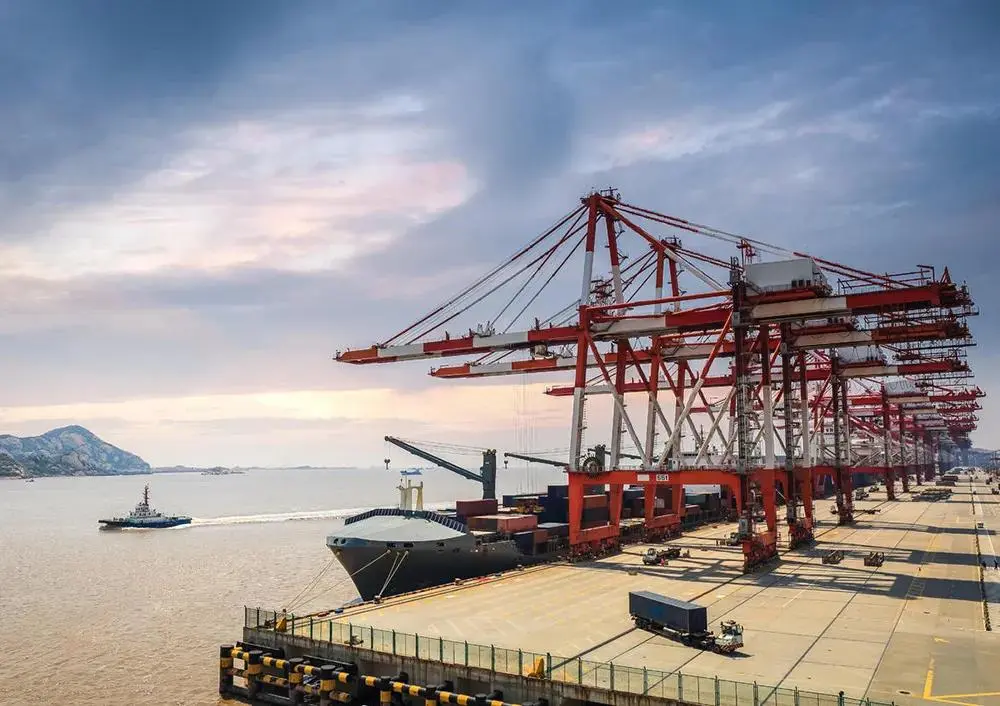
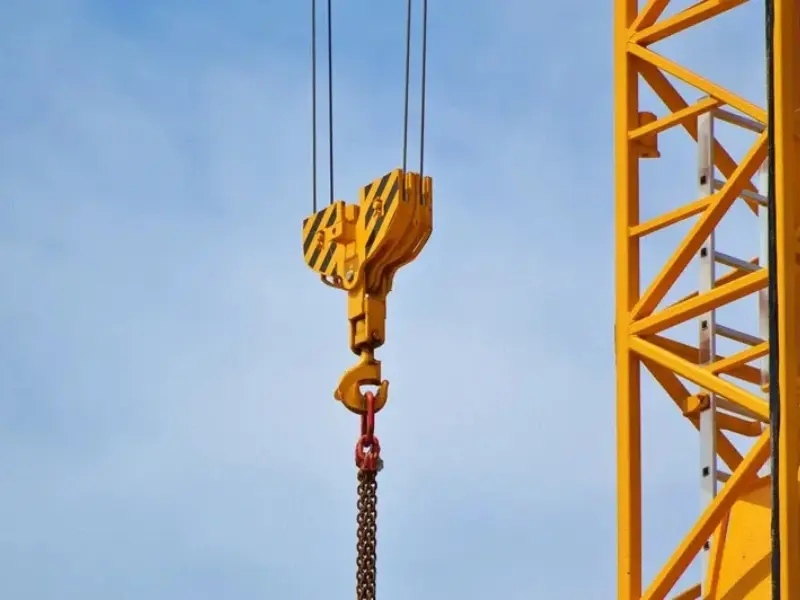
Widely used in lifting mechanisms of various types of cranes, and various sling equipment.
Learn More"MEI SHEN INDUSTRIAL" Advanced Field Applications
Stainless steel wire rope has high temperature resistance, good fatigue resistance, excellent breaking tension, long service life, durability and many other characteristics, widely used in coal, petroleum, metallurgy, chemical industry, ships, Bridges, electric power, rubber, military, tourism, water conservancy, light industry and other industries. Products can be produced according to ISO, BS, DIN, JIS, ABS, LR and other international and foreign advanced standards.
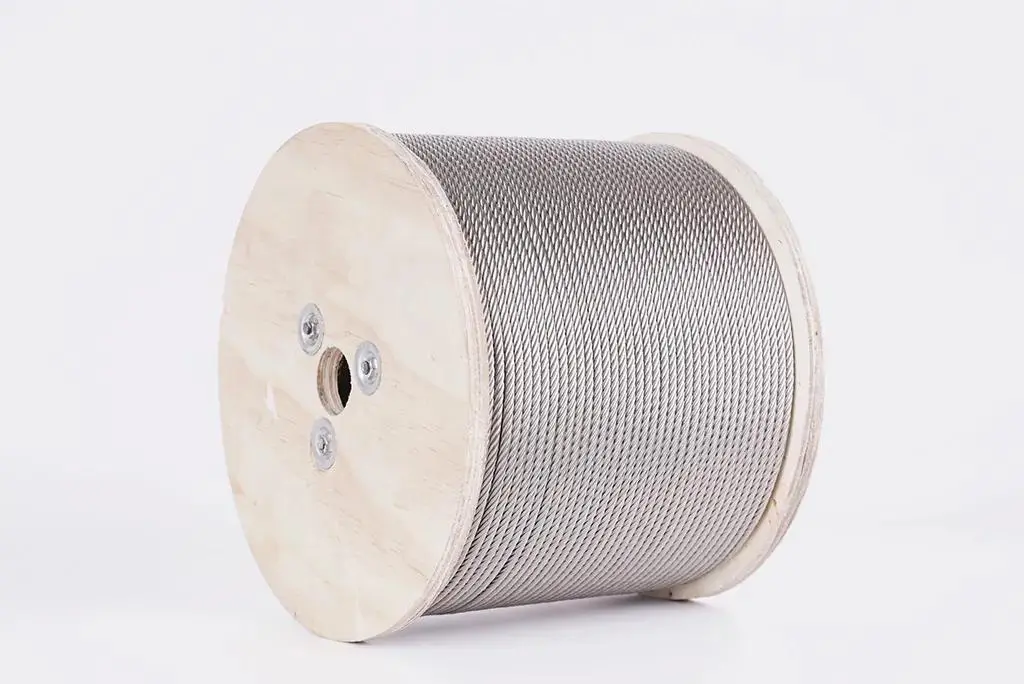
Delivering high stability under high thermal and mechanical loads.
Precise cold-working reductions alter the martensitic/austenitic ratios, ensuring robust fatigue limits and resistance to cyclic mechanical deformation.
Our advanced inline flatness stretchers eliminate residual wave shapes, ensuring optimal flatness across the entire width of the belt.
Finished welds undergo automatic planar grinding and microscopic inspection to prevent localized structural discrepancies at the joint.
Get answers to key technical questions from our metallurgical and application engineers.
"MEI SHEN INDUSTRIAL" - Keep up with latest corporate developments and metal trends
2025-01-14
Join the September Shopping Festival and enjoy great discounts! We have been focusing on exporting steel wire ropes for more than 16 years...
Read More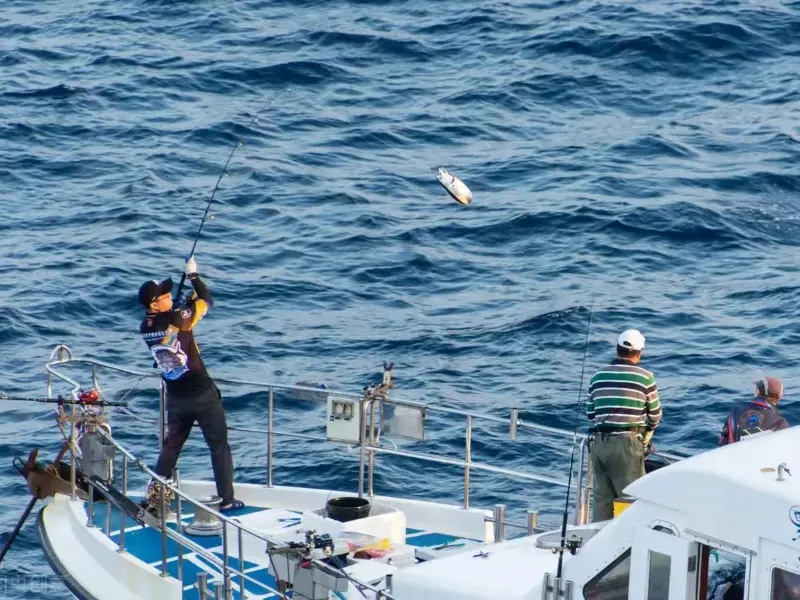
2025-01-14
High-strength non-magnetic stainless steel ropes built specifically for demanding maritime extraction environments...
Read More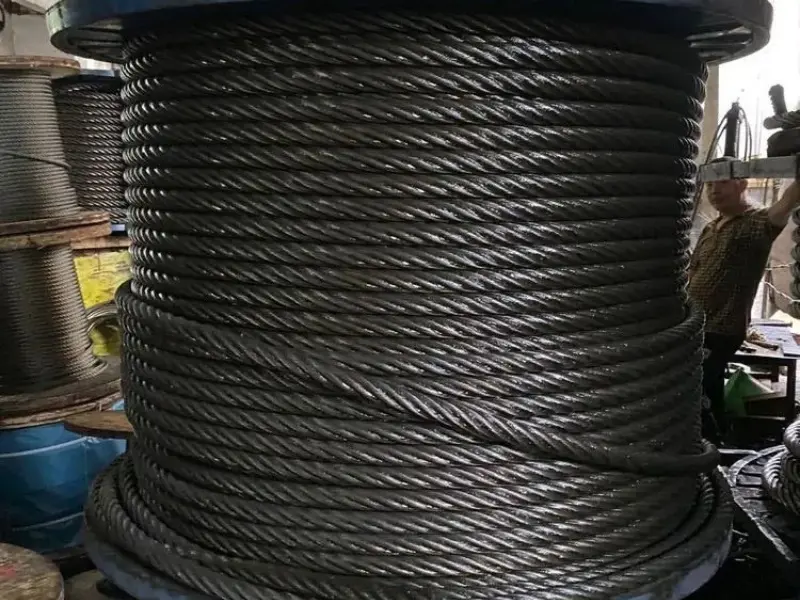
2025-01-14
An in-depth classification of structural wire ropes, looking at lay patterns, strand constructions, and wire cores...
Read MoreBrowse our selection of wear-resistant industrial chains, specialized pipes, and structural supports.
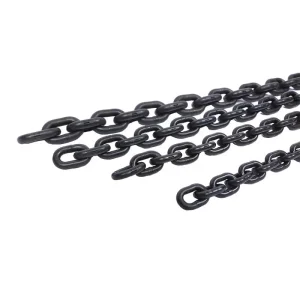
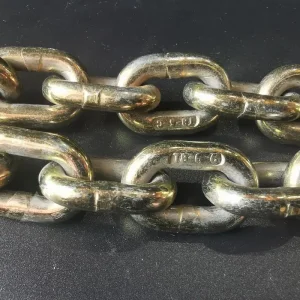
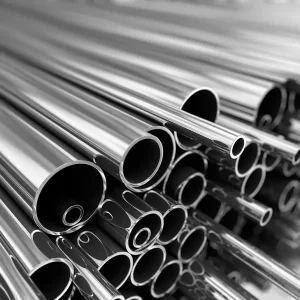
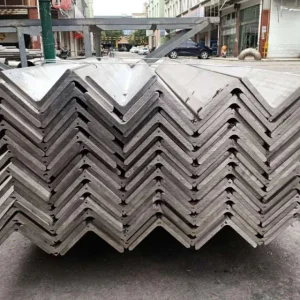
Contact Shanghai Mei Shen Industrial Co., Ltd. for direct manufacturer support and detailed product technical catalogs.
Send Sourcing Inquiry Mei Shen STEEL