High-performance stainless steel products, wire ropes, and mechanical rigging components manufactured to exact global standards.
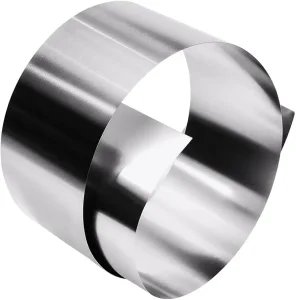
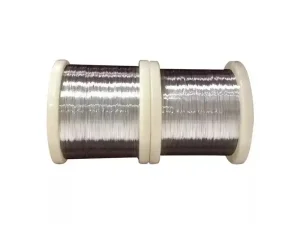
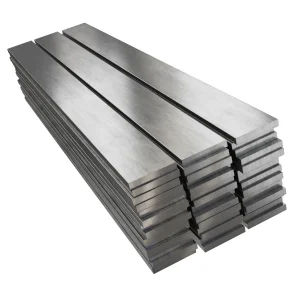
Welded stainless steel belts are critical components in contemporary industrial manufacturing, providing unmatched geometric stability, high thermal conductivity, and extreme resistance to mechanical wear. Engineered using advanced metallurgy, these endless belts are formed by longitudinally cutting precise, ultra-thin stainless steel coils, aligning the ends, and welding them with highly controlled energy beams. This results in a continuous, endless loop that guarantees synchronized movement for automated processing lines.
By using materials such as SUS301, SUS304, SUS316L, and precipitation-hardening alloys like 17-7PH, factories customize the physical attributes of the belts to survive high operating temperatures, harsh chemical environments, and continuous cycle strain. Unlike rubber or plastic modular belts, stainless steel endless belts do not experience outgassing, elongation, or particulate generation, making them the standard choice for ultra-clean rooms and heavy thermal curing ovens.
The manufacturing process determines the lifespan and operational limits of a welded steel belt. Precision welding techniques such as Gas Tungsten Arc Welding (GTAW/TIG), Laser Beam Welding (LBW), and Plasma Arc Welding (PAW) are used. LBW is favored for its concentrated energy input, resulting in an exceptionally narrow Heat-Affected Zone (HAZ), reducing structural distortion and preventing weld joint crystallization.
Following welding, the joint undergoes rigorous post-weld processing. We perform micro-grinding and planishing to ensure that the thickness at the weld seam matches the base metal down to the micron level. Subsequent thermal stress relief restores the joint's ductility, avoiding fatigue cracks during high-frequency cycles around pulleys. Advanced finish treatments, including mechanical polishing and electro-polishing, produce surface roughness ratings ($R_a$) under $0.2\,\mu\text{m}$, which is essential for medical and semiconductor-grade conveyor lines.
Unifying comprehensive supply chains, advanced robotic welding centers, and rigorous testing protocols to lower procurement costs and maximize mechanical lifespan.
Proximity to world-class steel mills in China allows manufacturers direct access to raw materials with customized chemistries. This reduces standard logistics delays and enables the selection of customized batches of SUS301 or SUS316L, assuring tight thickness tolerances and chemical purity.
By combining automated longitudinal slitters, automated laser welding cells, and specialized thermal treatment furnaces, Chinese factories scale production easily. Large wholesale orders benefit from reduced unit costs without compromising precision.
Export-oriented Chinese manufacturers align their operations with international standardizations such as ISO 9001, CE, ASTM, and DIN. Heavy QA audits include non-destructive testing (NDT), dynamic bend radius simulation, and weld seam hardness testing.
Select the optimal alloy configuration based on your specific temperature, tensile load, and chemical requirements.
| Steel Grade (Standard) | Tensile Strength (MPa) | Thermal Expansion Coeff. ($10^{-6}/^\circ\text{C}$) | Corrosion Resistance | Primary Industrial Applications |
|---|---|---|---|---|
| SUS301 | ≥ 1100 | 16.9 | Moderate to High | High-cycle conveyors, mechanical power transmission, dynamic timing bands. |
| SUS304 | ≥ 520 (Annealed) | 17.3 | Excellent | Food processing, packaging, generic industrial automation. |
| SUS316L | ≥ 480 | 16.0 | Superior (Chloride resistant) | Chemical processing, pharmaceutical production, marine and highly acidic environments. |
| 17-7PH (SUS631) | ≥ 1200 (Precip. Hardened) | 15.3 | High | Ultra-high-load systems, aerospace composites, high-temperature heat sealing. |
Explore the legacy catalog of heavy engineering wire ropes, offshore traction slings, and specialized crane equipment.
Shanghai Mei Shen Industrial Co., Ltd. was founded in 1999, is a research, production, service in one of the manufacturers.
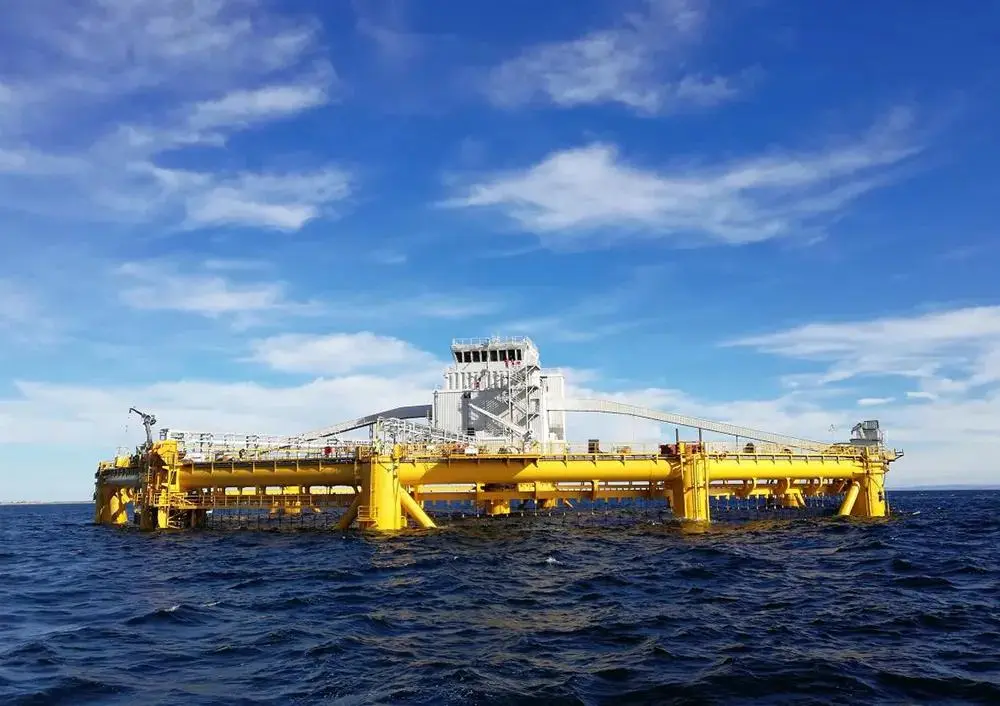
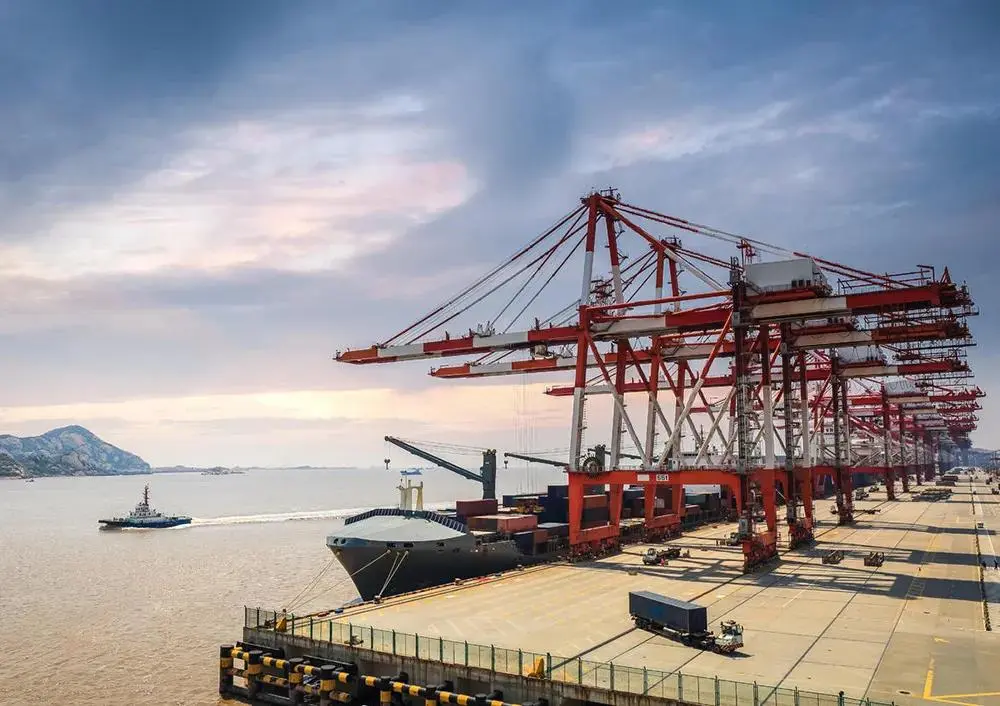
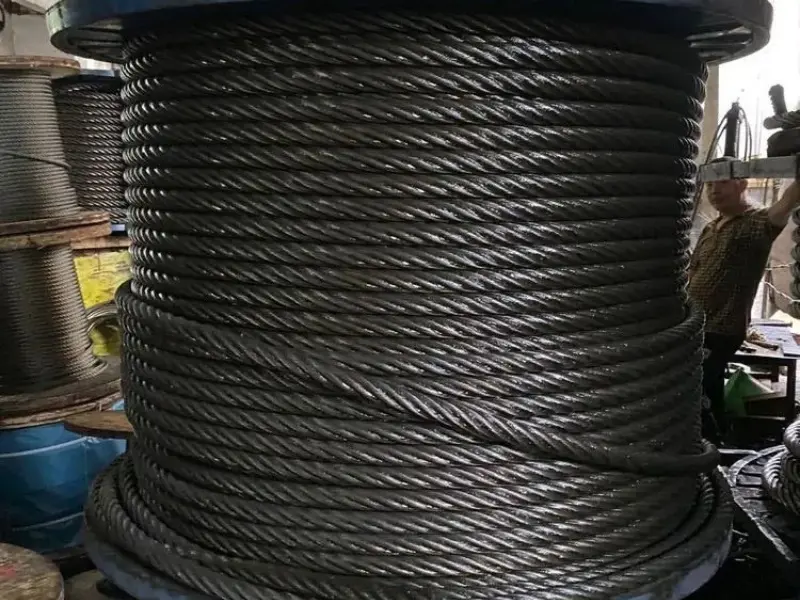
Mainly committed to the field of steel wire rope manufacturing research and development, production, sales, service, to provide customers with the latest technology, the most valuable, the most reliable products. The production plant of steel wire rope is located in Jiangsu Province, with an annual output of stainless steel wire rope, various specifications of smooth steel wire rope, galvanized steel wire rope, plastic coated steel wire rope, compacts steel wire rope, special steel wire rope for rotary excavator, special steel wire rope for elevator, non-rotating series of Silu-Wallington-type steel wire rope, carbon spring steel wire, and other hardware rigging products. The products are widely used in construction machinery, bridge construction, ocean engineering, port lifting, coal mine, water conservancy engineering and other industries of lifting, binding and traction equipment. It is the largest and most complete steel wire rope production base in China.
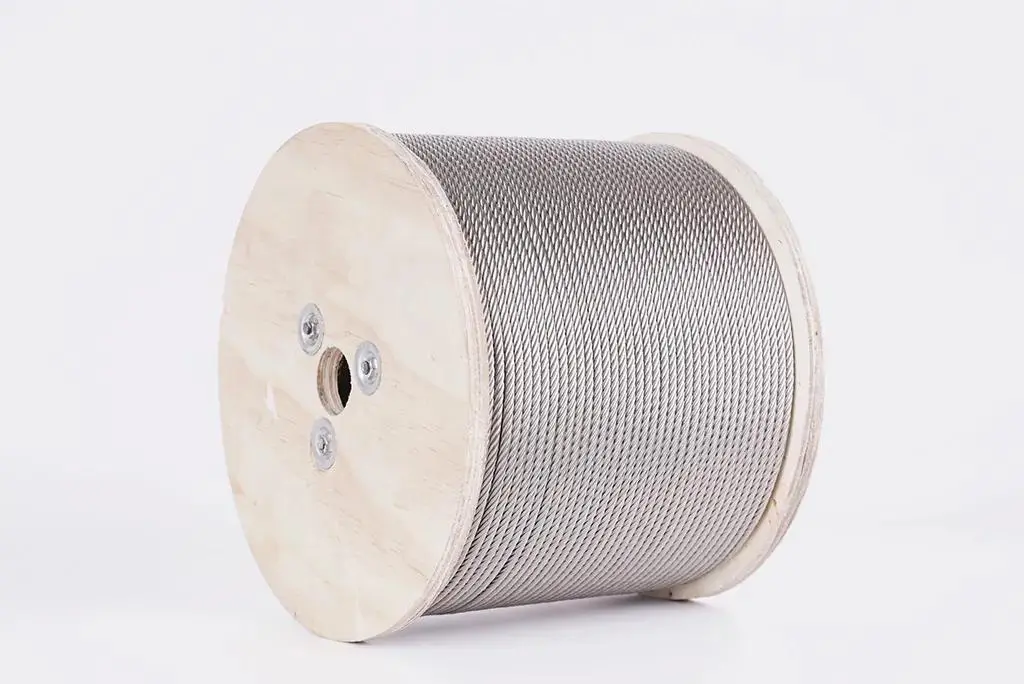
Discover how our products perform under demanding circumstances across diverse industrial sectors.
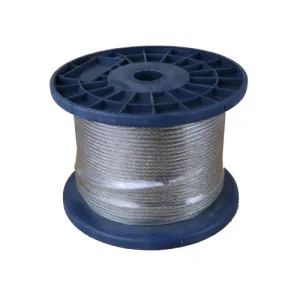
Stainless steel wire rope has high temperature resistance, good fatigue resistance, excellent breaking tension, long service life, durability and many other characteristics, widely used in coal, petroleum, metallurgy, chemical industry, ships, Bridges, electric power, rubber, military, tourism, water conservancy, light industry and other industries. Products can be produced according to ISO, BS, DIN, JIS, ABS, LR and other international and foreign advanced standards.
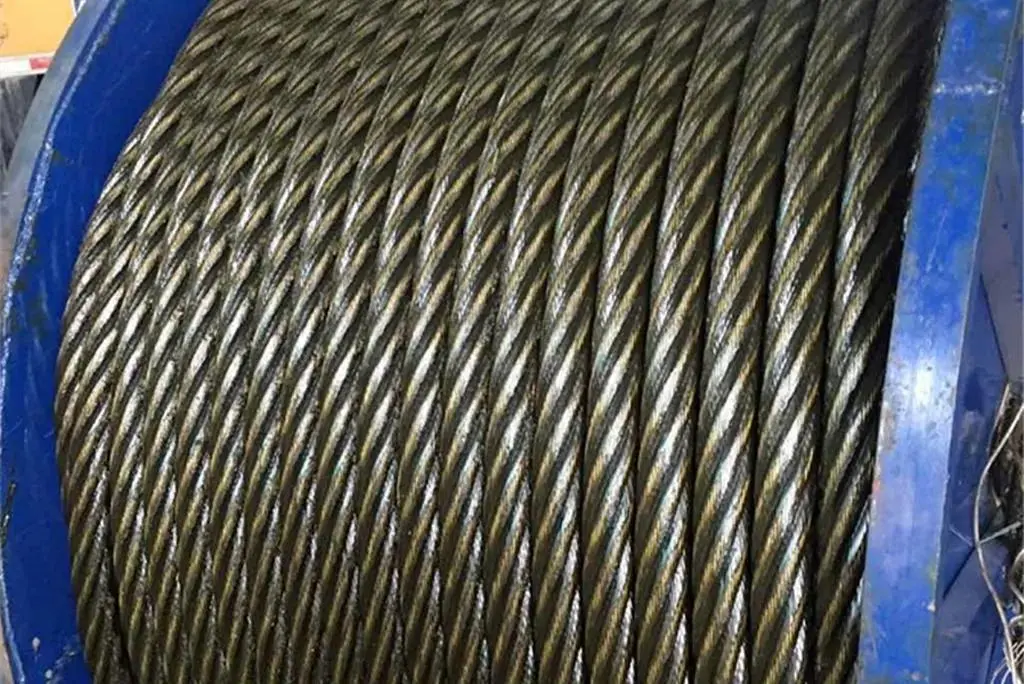
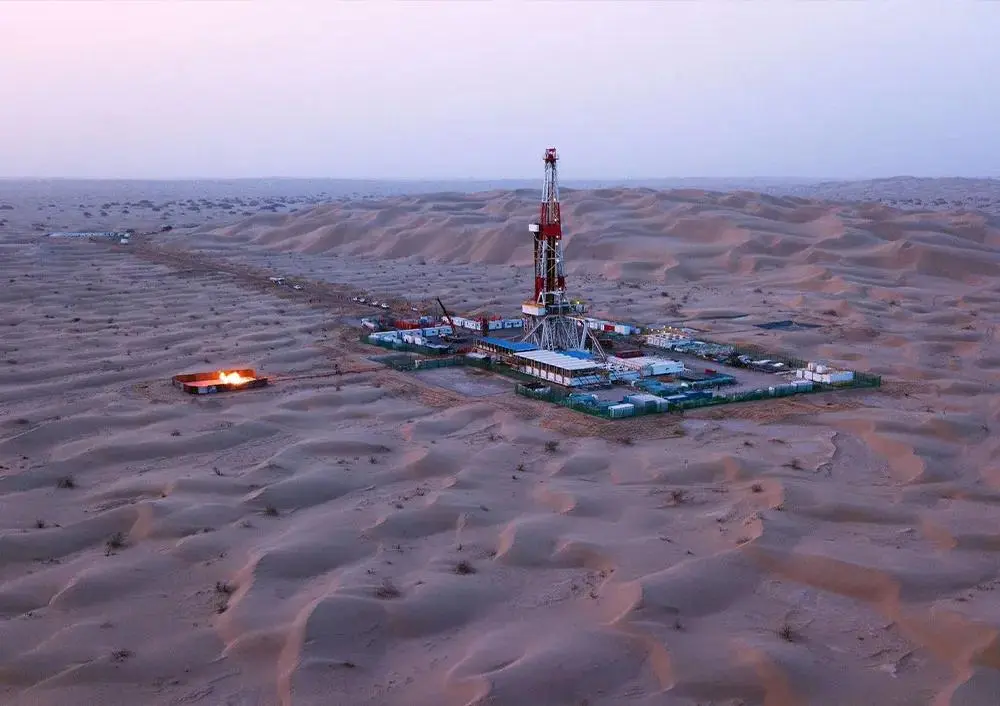
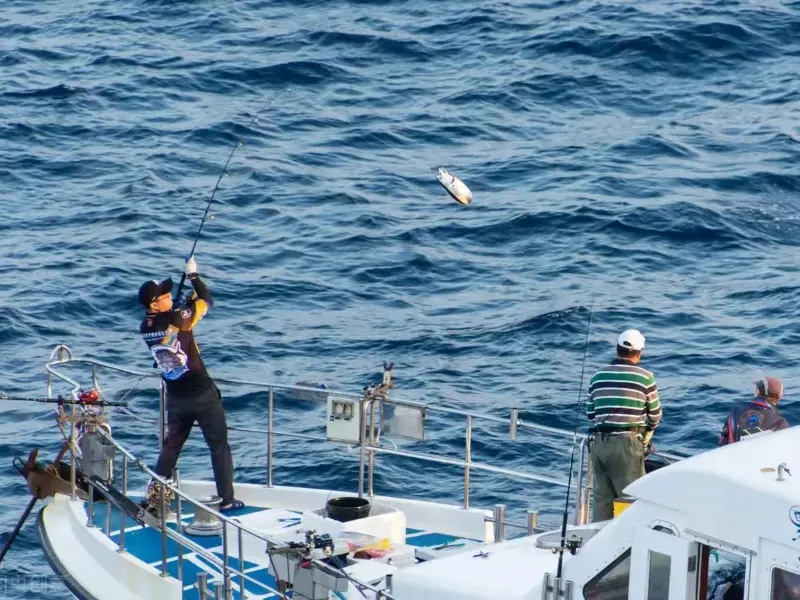
Formulated for the most demanding dynamic extraction operations. Built using high-carbon raw wire and high-viscosity core lubricants to resist intense high-pressure friction, corrosive muds, and continuous deep-sea drawing stressors.
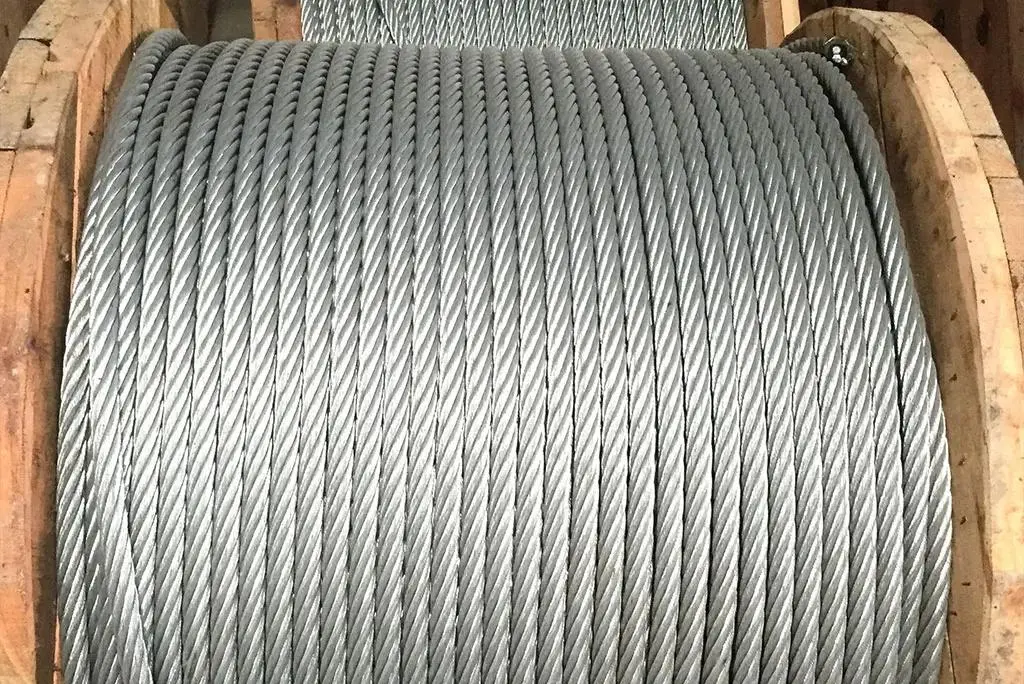
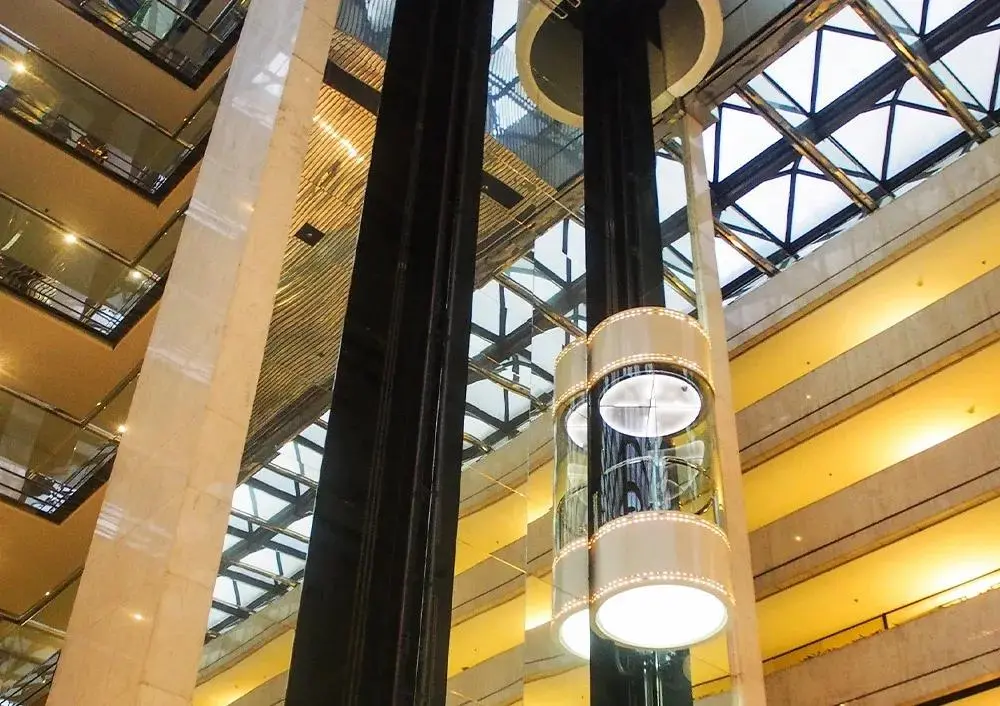
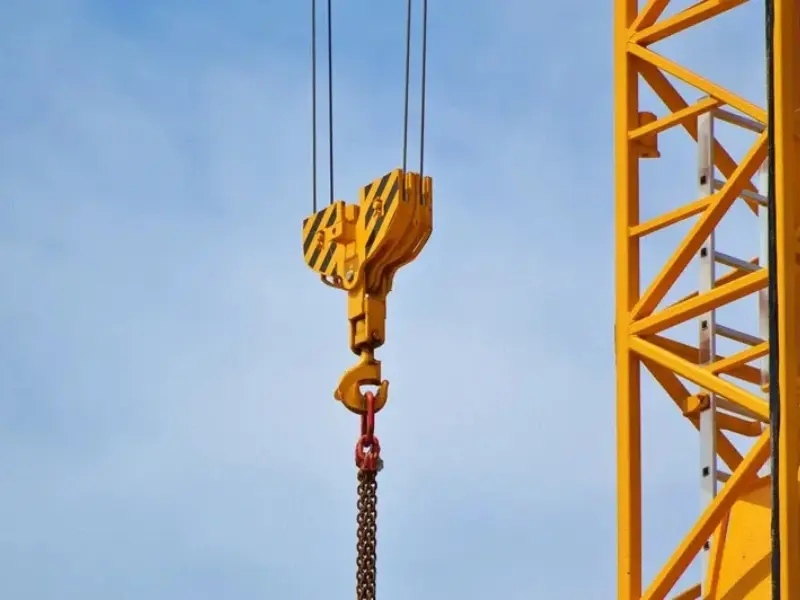
Engineered for high fatigue resistance and minimal rotation profile. Providing crane systems, port terminals, and high-altitude mining lifts with reliable breaking-load limits and exceptional wear profiles under daily rotation cycles.
Stay updated with the latest technological insights, product releases, and exhibition schedules from Shanghai Mei Shen.
Endless steel belts are customized to serve critical niches where standard conveying systems fail.
With hygienic smooth finishes, stainless steel belts offer continuous baking inside ovens up to $300^\circ\text{C}$ and fast individual freezing down to $-50^\circ\text{C}$. They resist cleaning agents and do not harbor biological contamination.
Designed to handle thermal shifts, steel belts are utilized in solidification, cooling, and flaking processes of molten chemicals. High thermal conductivity facilitates uniform heat transfer, ensuring consistent product crystallites.
For processing silicon wafers and solar cells, the static-free, ultra-flat surface of a welded steel belt is necessary to prevent micro-cracks. High positioning accuracy yields precise automated robotic handling during curing stages.
Detailed answers to direct engineering queries and quality standard validations for procurement managers.
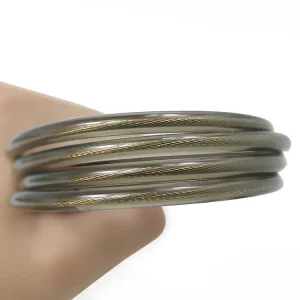
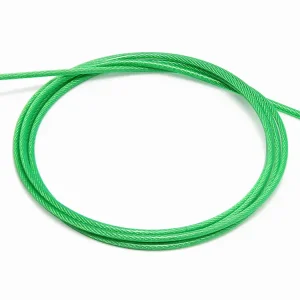
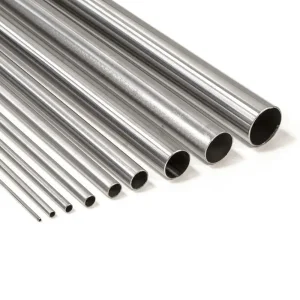
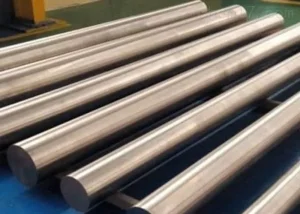
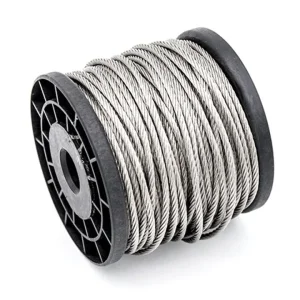
Factory-direct chemical pipes, fitness cables, non-rotating slings, and high-temp round bars from our integrated production facilities.
 Mei Shen STEEL