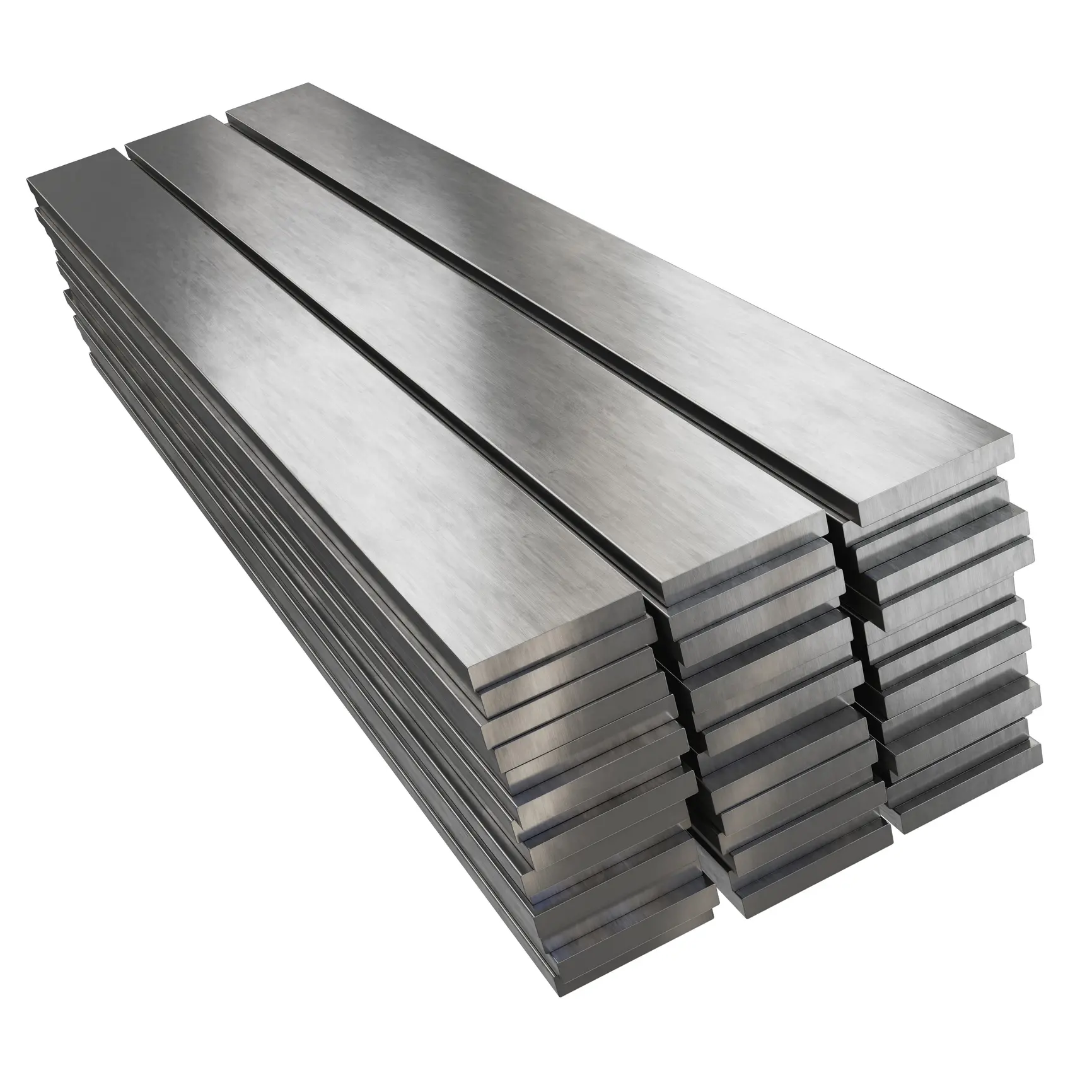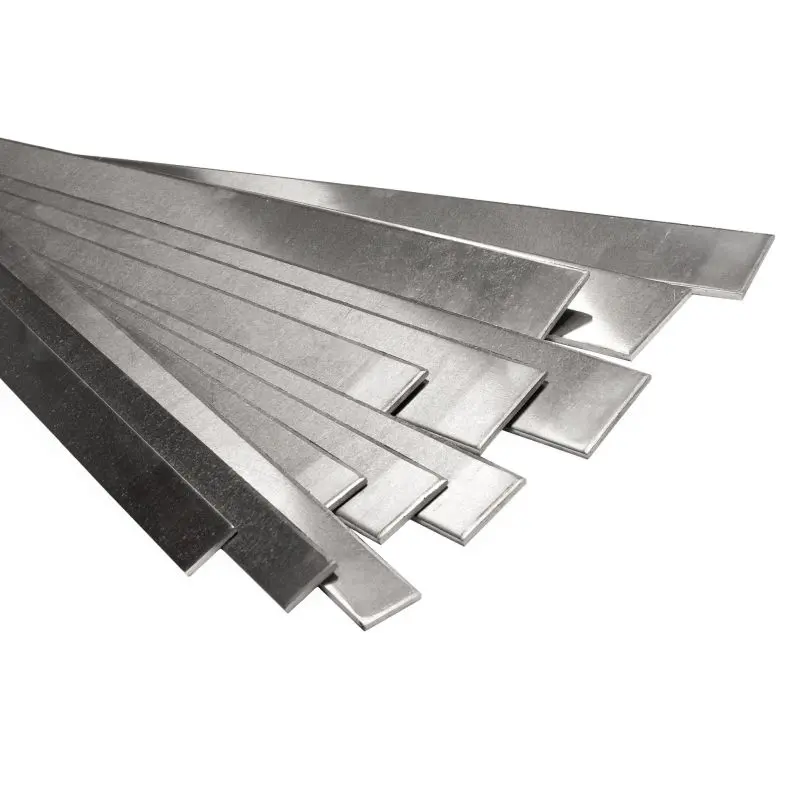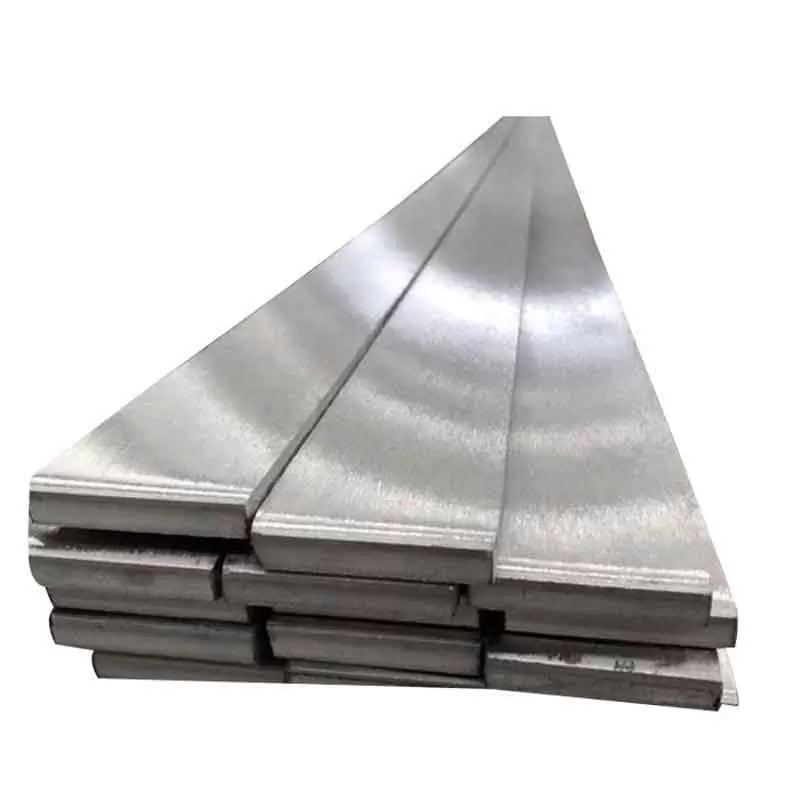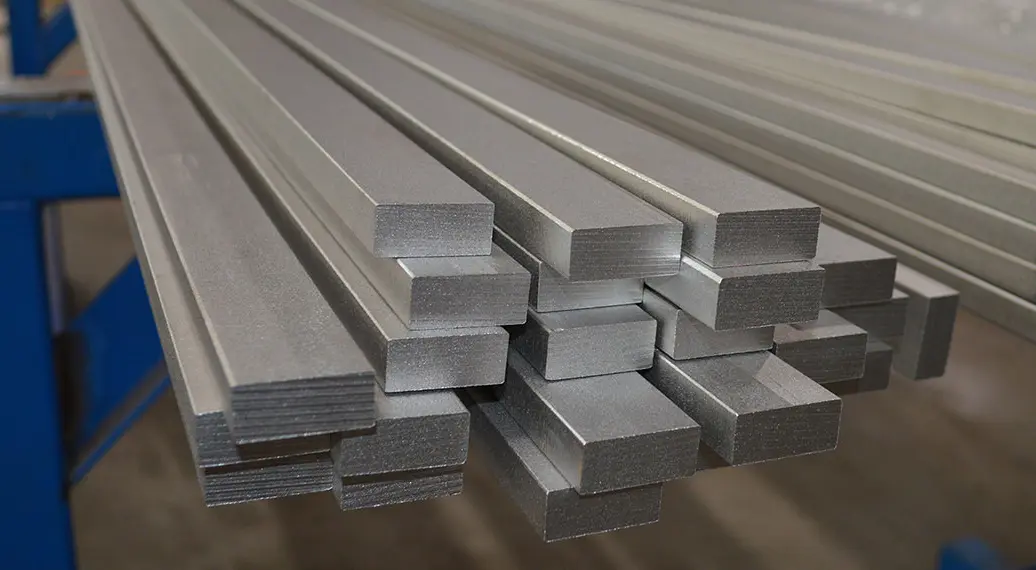
Wholesale 440C stainless steel flat bar Supplier, Factories

Anti-corrosion stainless steel flat steel: chemical equipment, suitable for acid and alkali environments

Standard: ASTM A276

Grade: 304 316 321 440C 630 904L

Size: 2x20 to 25x150mm

Product Description

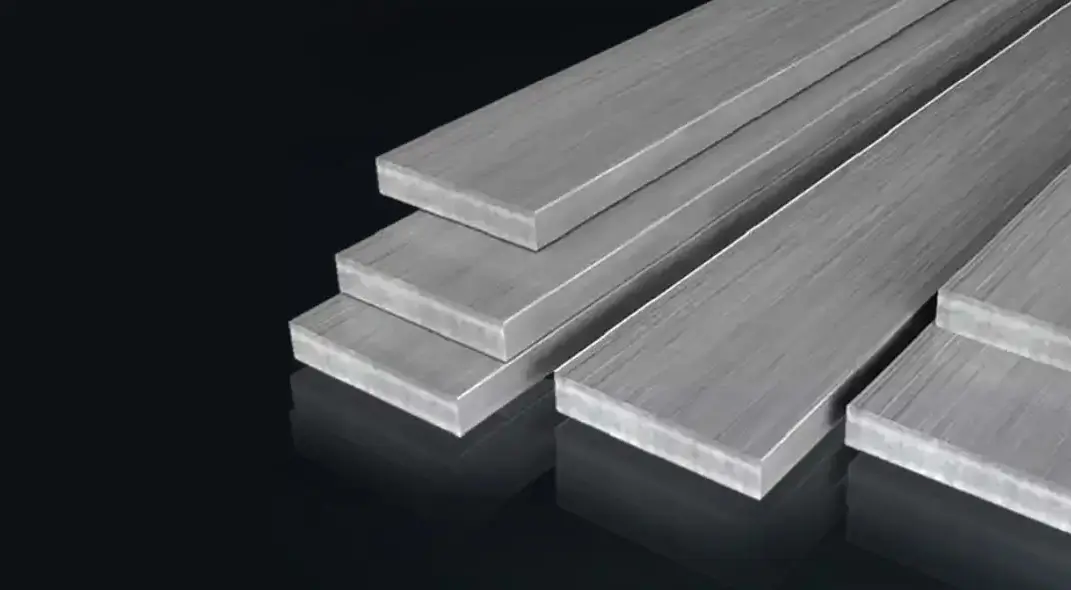
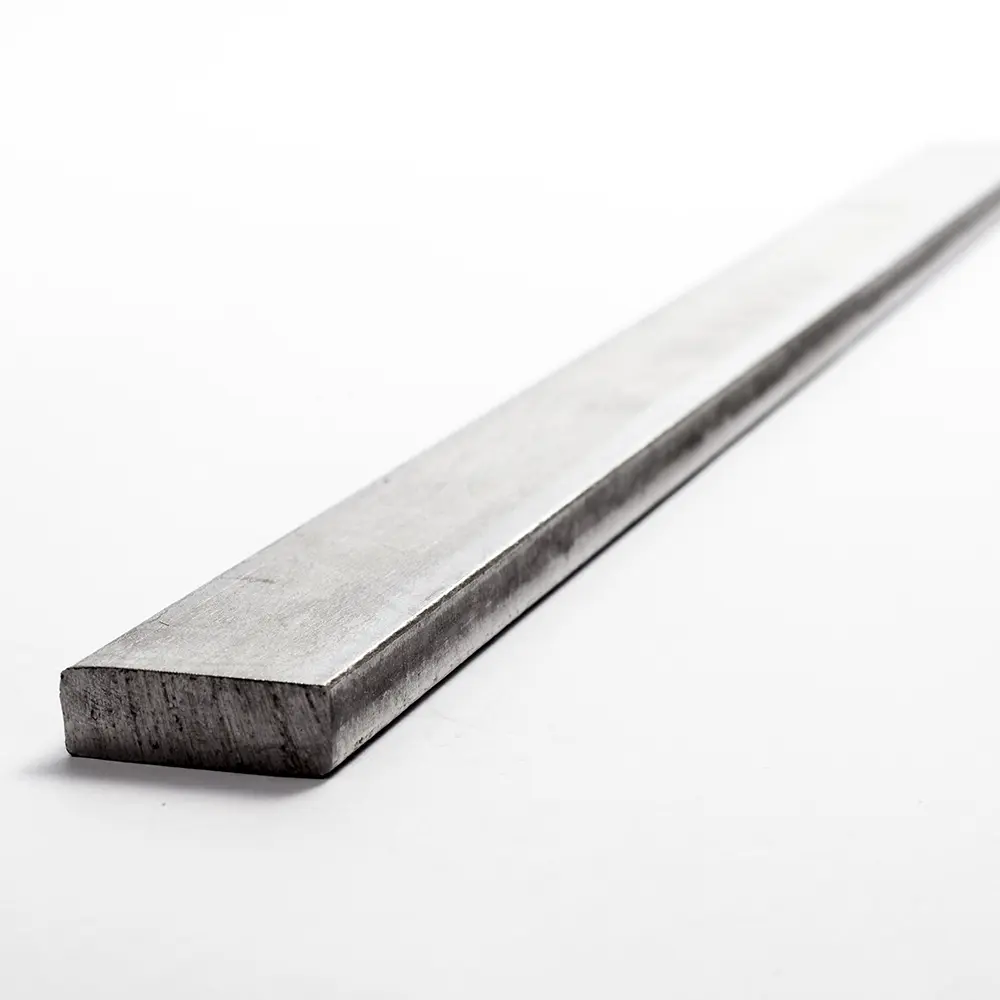
440C Stainless Steel Flat Bar

440C stainless steel is a high-carbon, martensitic stainless steel renowned for its exceptional hardness, strength, and wear resistance. When formed into flat bar, it becomes 440C stainless steel flat bar, widely used in applications requiring extremely high hardness and wear resistance.
440C Stainless Steel Flat Bar
Stainless Steel Flat Bar Process

Key Features

Extreme Hardness

440C stainless steel can reach a hardness of HRC 58-62 after heat treatment, which is its most significant advantage. This high hardness enables it to withstand intense wear and deformation.

Excellent Wear Resistance

Its high carbon content results in a high concentration of hard carbides in its structure, which imparts its excellent wear resistance.

Moderate Corrosion Resistance

It performs well in dry or mildly corrosive environments, but is susceptible to rusting in seawater or highly acidic environments due to its high carbon content.

Strong Magnetism

440C stainless steel is a martensitic stainless steel and, as such, exhibits strong magnetic properties.
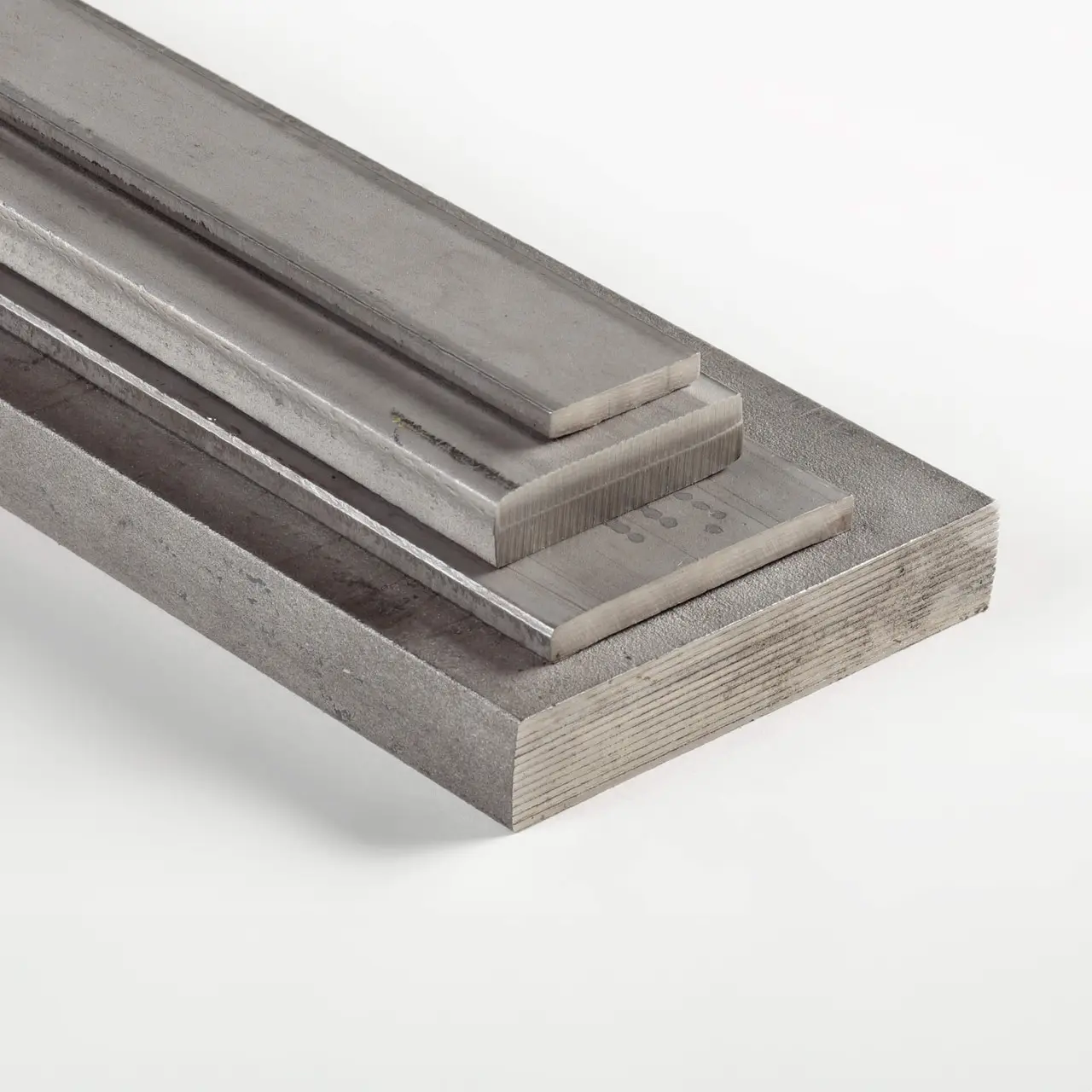
Hardened 440C Steel
Machined 440C Bar

Common Applications

Toolmaking: Used for high-quality blades, scissors, and scalpels. High hardness ensures a sharp, long-lasting edge.
Bearings: Ideal for precision bearings due to high load capacity and wear resistance.
Molds & Gages: Excellent dimensional stability for tools requiring high precision.
Valve Components: Critical for components where extreme surface hardness is required.
440 Stainless Steel Flat Bar Specifications
SpecificationA276/484 / DIN 1028
Material303, 304, 316, 321, 416, 420, 440, 440C
Outside Diameter4mm to 500mm (for Round Bars)
Width1mm to 500mm
Thickness1mm to 500mm
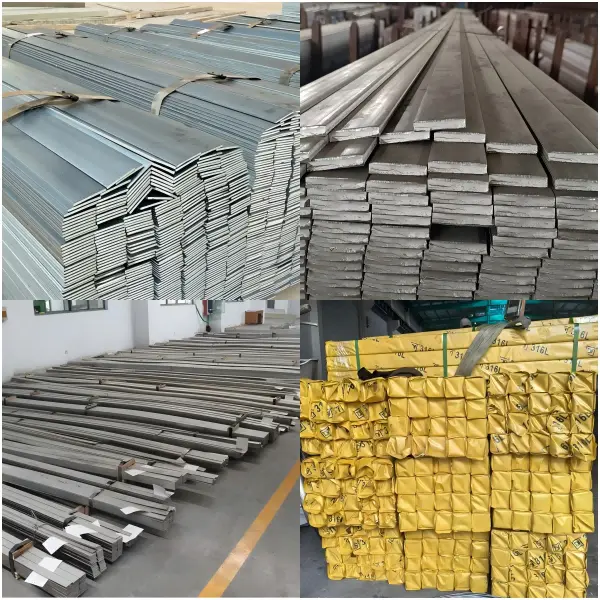
TechniqueHot Rolled Annealed & Pickled (HRAP), Cold drawn, Forged
Length3 to 6 Meters / 12 to 20 feet
MarkingSize, Grade, Specifications on Each Piece
PackingBundled with weaving bag or as per requirement
Equivalent Grades Of 440C SS Flat Bar
Region Standard 440A 440B 440C 440F
AmericanASTM440A440B440C440F
UNSUNSS44002S44003S44004S44020
JapaneseJISSUS 440ASUS 440BSUS 440CSUS 440F
GermanDIN1.41091.41221.4125/
ChinaGB7Cr178Cr1711Cr17 / 9Cr18MoY11Cr17
Chemical Composition (%)
Grade C Si Mn P S Cr Mo
440A0.6-0.75≤1.00≤1.00≤0.04≤0.0316.0-18.0≤0.75
440B0.75-0.95≤1.00≤1.00≤0.04≤0.0316.0-18.0≤0.75
440C0.95-1.2≤1.00≤1.00≤0.04≤0.0316.0-18.0≤0.75
Hardness Standards
Grades Hardness Annealed (HB) Heat Treated (HRC)
440A≤ 255≥ 54
440B≤ 255≥ 56
440C≤ 269≥ 58
440F≤ 269≥ 58
Splicing Diagram

Frequently Asked Questions (FAQ)

Q1: What is the maximum hardness achievable for 440C stainless steel? A1: After proper heat treatment (quenching and tempering), 440C stainless steel can achieve a Rockwell hardness of HRC 58-62, making it one of the hardest stainless steels available.
Q2: Is 440C stainless steel flat bar magnetic? A2: Yes, 440C is a martensitic stainless steel, which means it is strongly magnetic in all conditions.
Q3: How does 440C compare to 304 or 316 stainless steel in terms of corrosion resistance? A3: 440C has lower corrosion resistance compared to austenitic grades like 304 or 316. While it resists rust in normal atmospheric conditions and mild environments, it is not recommended for use in marine or highly acidic settings.
Q4: What are the main differences between 440A, 440B, and 440C? A4: The primary difference is the carbon content. 440A has the lowest carbon (0.6-0.75%), 440B is intermediate (0.75-0.95%), and 440C has the highest (0.95-1.20%). Higher carbon content leads to higher hardness and wear resistance but slightly lower toughness.
Q5: Is 440C stainless steel difficult to machine? A5: In its annealed (softened) state, it is moderately machinable. However, once it has been hardened by heat treatment, it becomes extremely difficult to machine and usually requires grinding.
Q6: What are the primary uses for 440C flat bars? A6: They are primarily used for making high-end cutting tools, surgical instruments, precision ball bearings, valve seats, and gauges where high surface hardness is essential.

Related Products