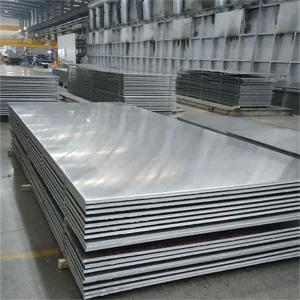
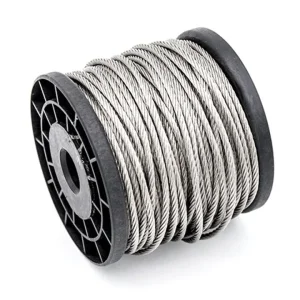
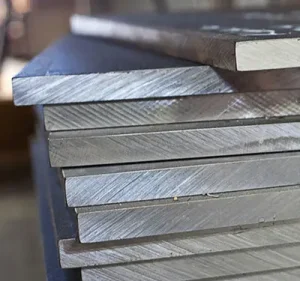
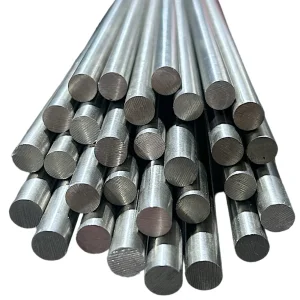
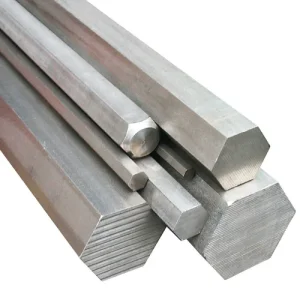
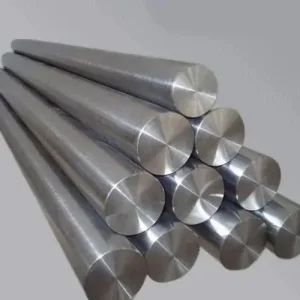
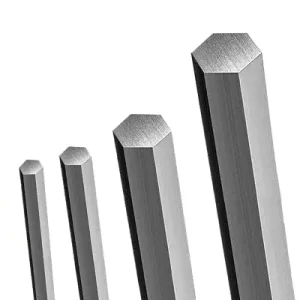
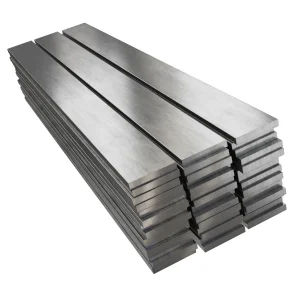
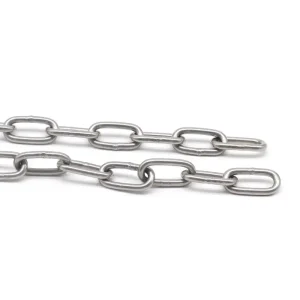
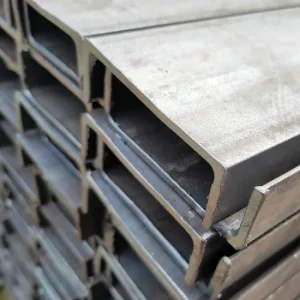
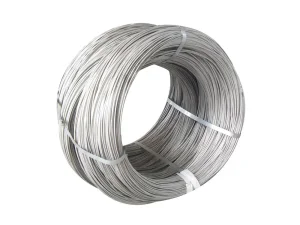
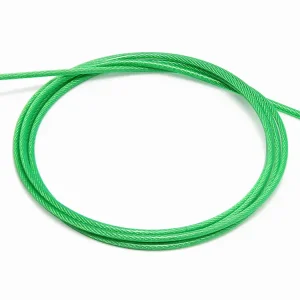
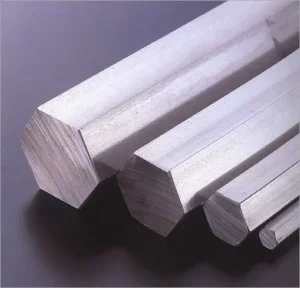
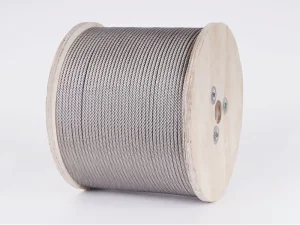
Direct supply of precision metal hardware, corrosion-resistant alloy plates, round bars, and heavy-duty lifting products from our ISO-certified processing facilities.
Unlocking information gain: how structural metallurgy, precise flatness tolerances, and continuous belt-joining technology impact systemic efficiency and food safety compliance.
The foundation of a reliable food-grade steel belt lies in structural metallurgy. Unlike standard industrial steel strips, food-grade steel belts require precise chemistry control to guarantee resistance to pitting and stress corrosion cracking from food acids and harsh cleaning agents like chlorine and caustic soda. Typically, AISI 301, 316, 316L, and precipitation-hardening alloys like 17-7 PH (Grade 1650) are used.
These grades maintain their mechanical stability in environments spanning from rapid IQF cryogenic freezing zones (-150°C) to high-temperature baking ovens (+450°C). By optimizing the nickel-chromium ratios, leading manufacturers prevent carbide precipitation during welding, preserving the chromium oxide passive film which serves as the primary barrier against oxidation.
According to HACCP and EHEDG guidelines, the surface texture of conveying belts must minimize the risk of bacterial nesting. Smooth, solid stainless steel belts present a non-porous structure with an average roughness (Ra) of under 0.2µm, achieved via specialized micro-polishing. Under magnification, plastic modular or fabric belts show microscopic crevices that collect fats and organic matter, forming biofilms that are highly resistant to standard sanitization protocols.
By eliminating these crevices, food-grade steel belts reduce clean-in-place (CIP) water consumption by up to 60%, limit chemical disinfectant runoff, and decrease the risk of cross-contamination in high-risk dairy, chocolate, meat, and baking production lines.
High Performance Engineering Note: High-tensile steel belts are dynamic components that operate under constant cyclic tension over terminal drums. Superior straightness (camber of less than 0.5mm over 10m) and precise thickness tolerance (within ±0.02mm) are critical to preventing lateral drift, belt edge wear, and tracking failures.
Selecting the correct alloy dictates the operational lifespan and maintenance overhead of your production line. Use the following peer-reviewed specification table as a guide:
| Steel Belt Grade | Yield Strength (MPa) | Temperature Range | Corrosion Resistance | Primary Industrial Applications |
|---|---|---|---|---|
| AISI 301 (Austenitic) | ≥ 1000 | -80°C to +350°C | Good (General Purpose) | Baking ovens, general conveying, confectionery casting |
| AISI 316L (Low Carbon) | ≥ 950 | -120°C to +400°C | Excellent (High Acid/Salts) | Meat processing, marine seafood sorting, citrus pulp transport |
| 17-7 PH (Precipitation Hard) | ≥ 1200 | -150°C to +450°C | Superior (Cyclic Stress) | Cryogenic IQF freezing, ultra-thin industrial sorting, chemicals |
| Martensitic Stainless | ≥ 1100 | -50°C to +300°C | Moderate (High Wear) | Abrasive dry food processing, scraping, and high-wear portioning |
How modern Chinese steel processing plants combine metallurgy with cost-controlled efficiency to build robust global supply pipelines.
Precision leveling lines apply calculated tension and bending forces to eliminate internal coil stresses, guaranteeing a flat steel belt that tracks straight without deformation under cyclic loading.
Longitudinal and transverse butt-joints are welded under inert gas shields using high-energy laser systems. This results in minimal heat-affected zones (HAZ) and keeps joint strength above 90% of the parent material.
Non-destructive ultrasonic testing (NDT), surface roughness measurement, and strict tolerance verification run continuously across all cold-rolling stages to ensure zero-defect product output.
For global procurement teams, sourcing from China is no longer just about cost reduction. It is about leveraging mature industrial clusters that integrate raw material sourcing, precision rolling, heat treatment, and custom fabrication into a single, cohesive supply chain. This vertical integration helps insulate buyers from raw material volatility, reduces lead times for custom belt widths (from 300mm to 3000mm), and provides access to advanced surface processing techniques like structural texturing, perforation, and dynamic tracking guides.
In addition, advanced steel belt manufacturers in China partner with local component suppliers to offer complete conveying assemblies. These packages include specialized tracking systems, tensioning devices, and wear-resistant support structures, simplifying the procurement process for global OEMs.
From cryogenic freezing tunnels to high-temperature baking ovens, explore how food-grade steel belts handle diverse processing demands.
In IQF freezing tunnels, food products are rapidly chilled to temperatures below -40°C. Traditional plastic belts tend to embrittle and crack under these conditions, while fabric belts absorb moisture and freeze to the support bed. Stainless steel belts maintain their ductility and flat structure at cryogenic temperatures, enabling rapid heat transfer and preventing products from sticking. This ensures cleaner release and preserves product quality for delicate items like berries, shrimp, and diced poultry.
Industrial baking requires uniform heat distribution across the conveying surface to ensure consistent product color, texture, and rise. Perforated or solid carbon and stainless steel belts act as thermal conductors, absorbing heat from burners and transferring it evenly to the dough. The high tensile strength of these belts prevents sagging under temperature changes, maintaining flat conveying surfaces across long baking tunnels (often exceeding 100 meters).
Industrial chemical processing demands belt materials that can handle hot liquid melts and sudden cooling. On flaking and solidification lines, molten chemicals like resins, sulfur, or paraffin wax are deposited onto the steel belt. As the belt passes over cooling zones sprayed with cold water, the material solidifies and is cleanly scraped off at the discharge terminal. The thermal conductivity, flatness, and chemical resistance of stainless steel make it the ideal medium for this continuous solidification process.
Raw meat processing is subject to strict sanitation audits. Stainless steel belts provide a durable, cut-resistant surface that can withstand direct contact with knives and scrapers during portioning and deboning. Unlike plastic belts, which can be gouged and create breeding grounds for pathogens, the smooth surface of a steel belt remains unmarred. This simplifies sanitization and ensures compliance with global food safety standards.
A look at upcoming technologies in metal belt engineering: from IoT tracking systems to advanced surface modifications.
Future conveyor setups will feature embedded digital tracking and strain sensors. These systems monitor real-time tension changes, temperature variations, and lateral tracking deviations, allowing operators to perform preventative maintenance and avoid unscheduled downtime.
Research into sub-micron titanium dioxide (TiO2) coatings and silver-ion infusions is paving the way for self-sanitizing steel surfaces. When activated by UV light, these coatings break down organic residue at a molecular level, simplifying cleaning protocols.
To reduce energy consumption on long conveyor runs, manufacturers are developing hybrid steel belts. These systems combine high-strength stainless steel outer layers with lightweight carbon-composite cores, lowering overall belt weight while maintaining surface integrity.
Combining heavy-duty industrial wire ropes and high-strength metallurgical products to support complex global engineering projects.
Shanghai Mei Shen Industrial Co., Ltd. was founded in 1999 as an integrated industrial enterprise specializing in R&D, production, sales, and service. Over the past 25 years, the company has grown into a major Chinese production base for high-tensile steel wire ropes, specialized rigging, and advanced metallurgical components.
Operating a modern production facility in Jiangsu Province, Mei Shen manufactures a wide variety of wire ropes, including stainless steel wire ropes, smooth steel wire ropes, galvanized wire ropes, plastic-coated ropes, compacted ropes, and specialized rigging. These products serve demanding applications in construction machinery, bridge building, ocean engineering, port lifting, coal mining, and water conservancy projects worldwide.
This deep metallurgical experience enables Mei Shen to maintain strict quality standards, ensuring all products meet ISO, BS, DIN, JIS, ABS, and LR requirements. From heavy-duty mining ropes to high-precision food-grade belts, the company delivers reliable engineering solutions for complex industrial challenges.
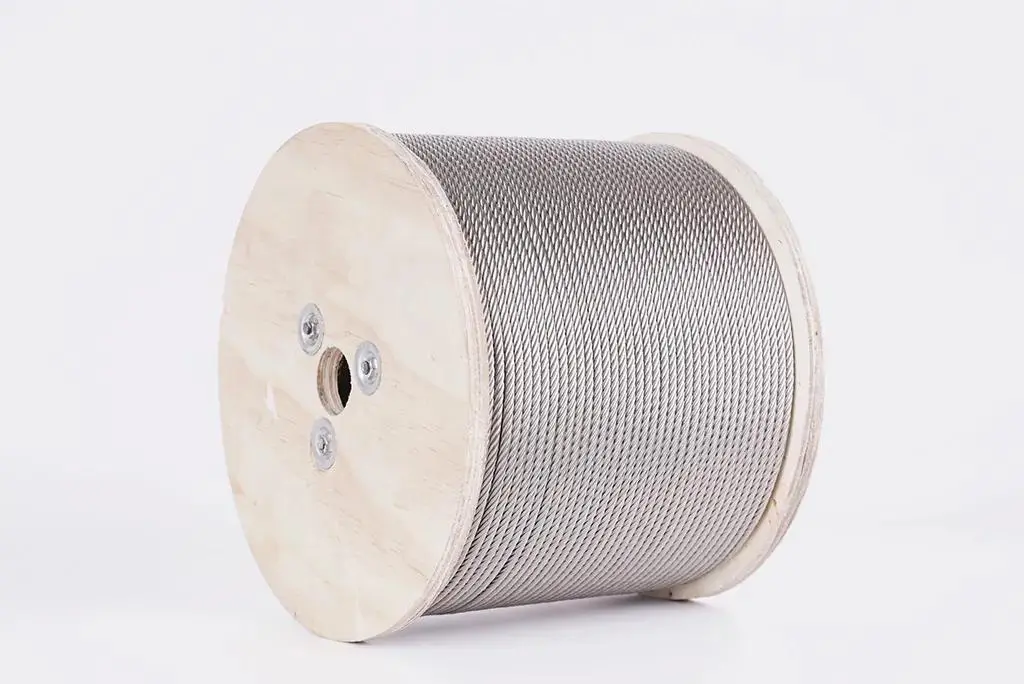
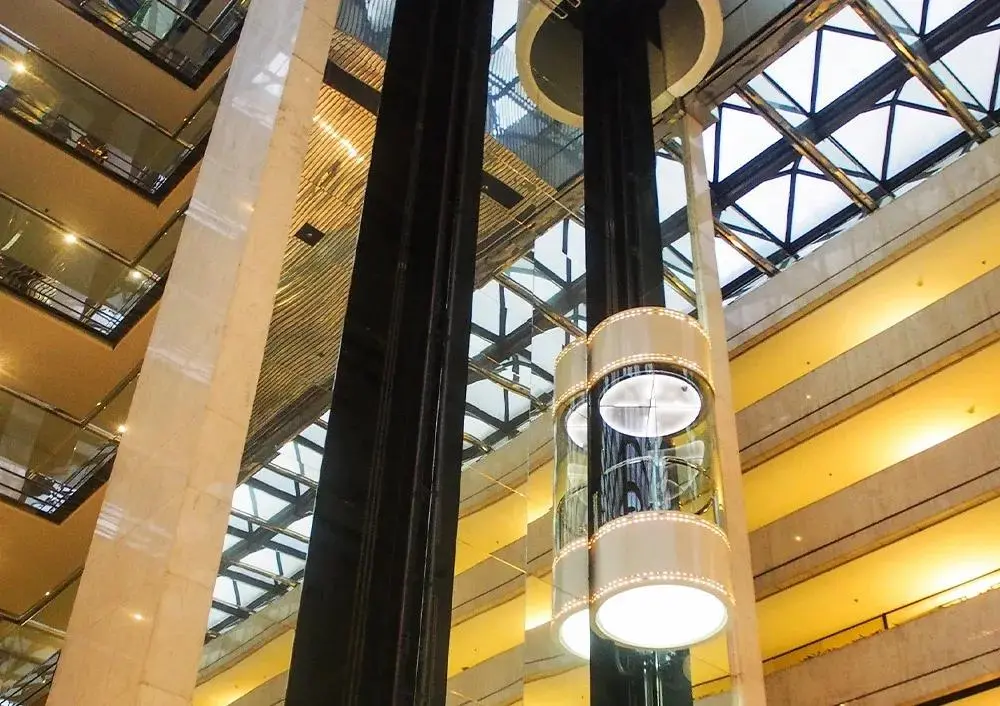
Optimized 8- and 9-strand Seale and Warrington construction designed to reduce bending stress, resist abrasion, and maintain stability under high radial pressures.
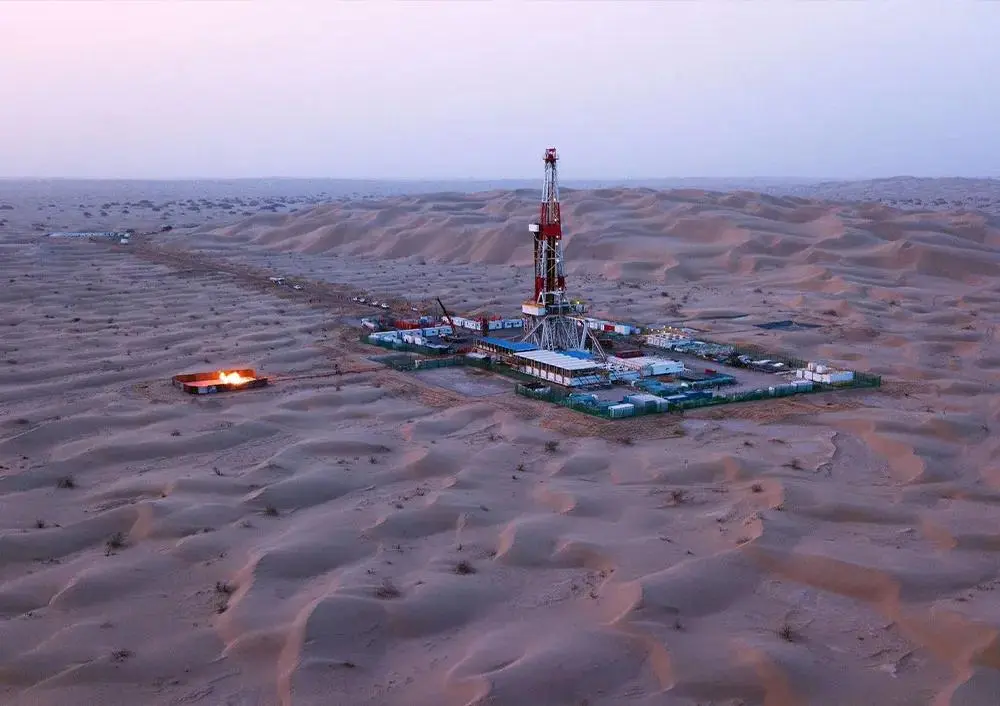
High-strength steel-core wire ropes built to meet EIP-level standards, engineered to withstand the demanding conditions of modern oil drilling rigs.
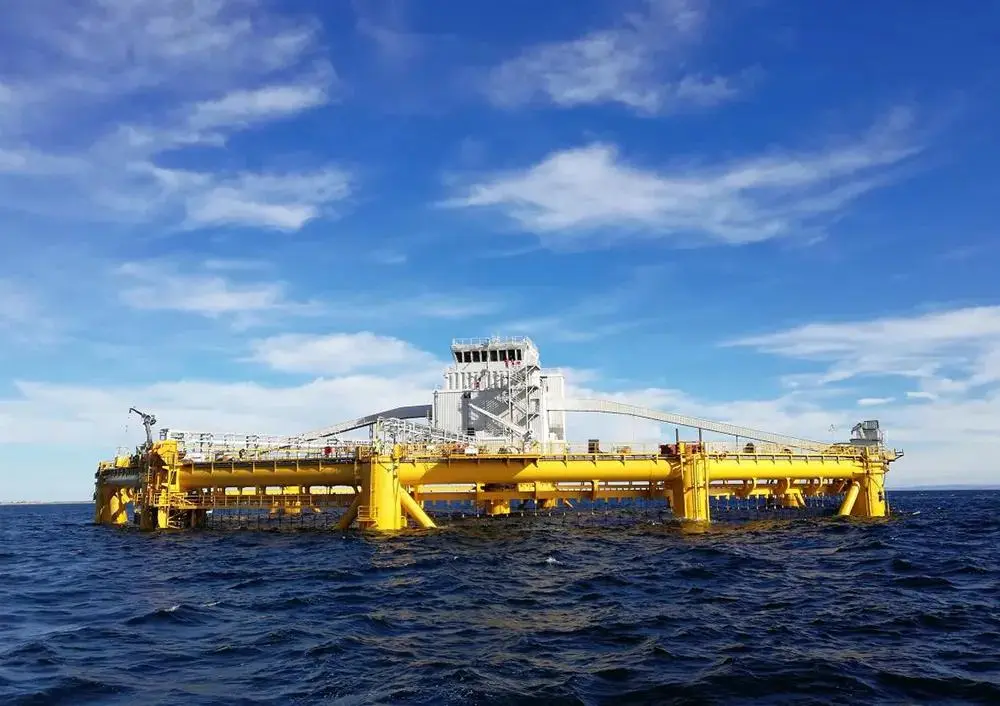
Single-strand, 6-strand, and multi-strand ropes, including sealed wire rope designs, engineered to resist saltwater corrosion in marine environments.
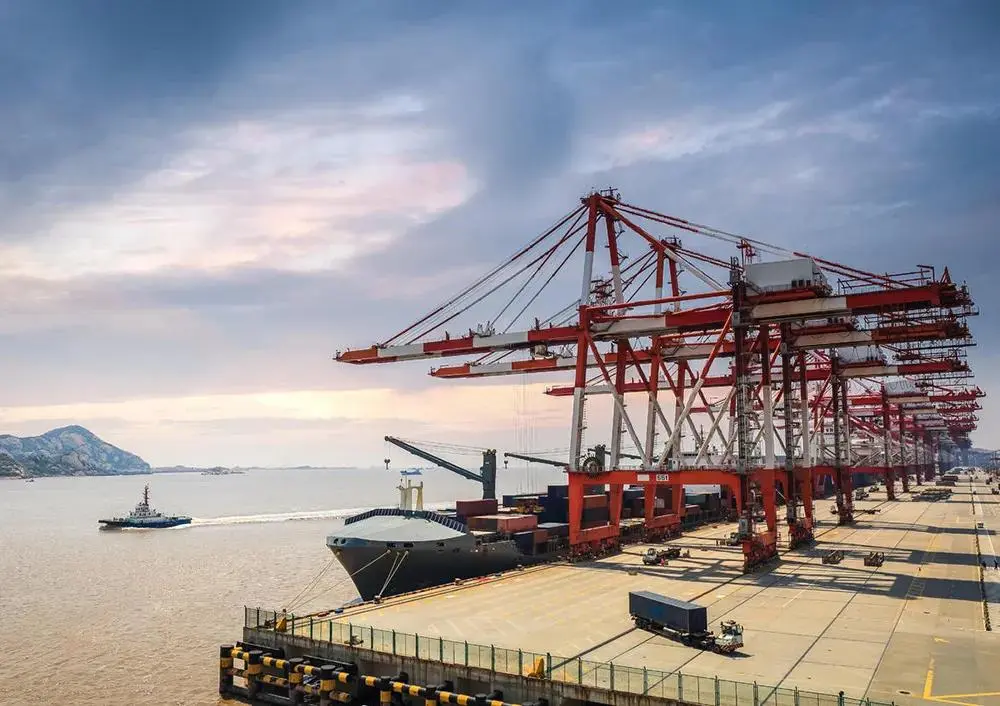
Designed for crane hoisting, boom luffing, and heavy rigging, providing the fatigue resistance and load capacity required for busy port operations.
Ensuring smooth international delivery and reliable operation through protective packaging and on-site technical support.
Industrial steel belts are thin, high-precision components that must be protected from physical damage and moisture during transit. We ship our belts in heavy-duty, vapor-barrier-wrapped wooden crates to prevent rust, denting, or bending during sea and air transport.
Proper jointing is critical to a steel belt's performance and lifespan. We provide detailed installation guides and offer on-site welding support to ensure clean, strong seams.
Answers to common engineering questions regarding food-grade stainless steel belts and conveyor components.
Updates on product developments, trade events, and technical advice from Mei Shen Industrial's engineering team.
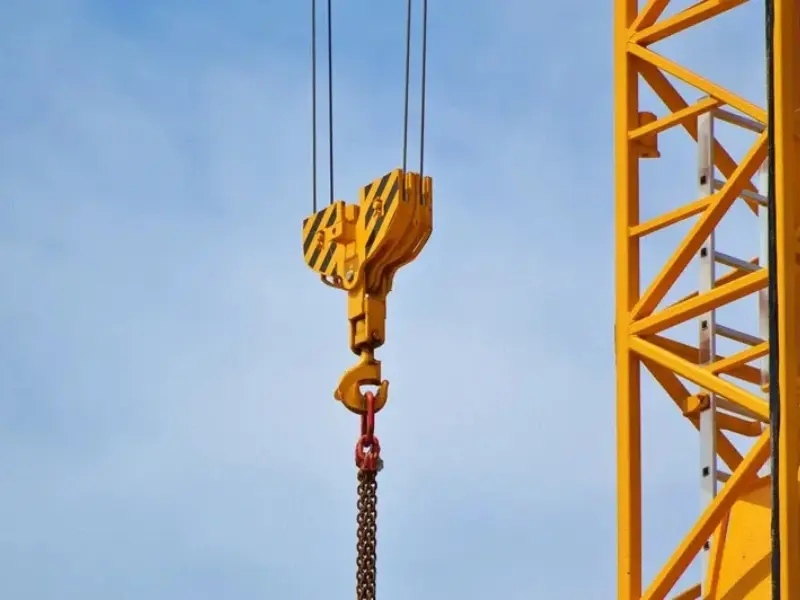
Highlighting our 16+ years of export experience and technical advancements in steel wire rope manufacturing at the latest industrial trade events.
Technical specifications and application guidelines for non-magnetic stainless steel wire structures in delicate instrument environments.
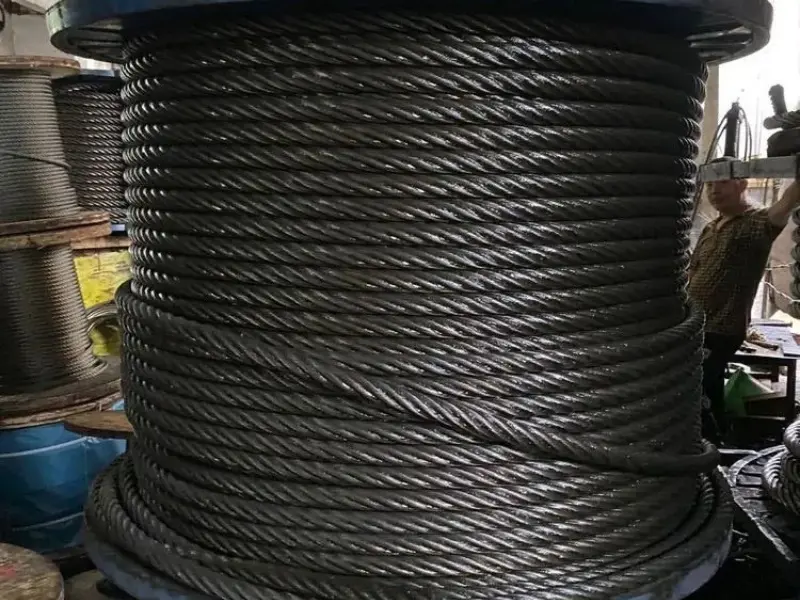
A comprehensive guide explaining the mechanical differences between various wire rope classifications and how to choose the right style for your equipment.
Explore our full selection of wire, cabling, and structural support components, all manufactured to international standards.
 Mei Shen STEEL