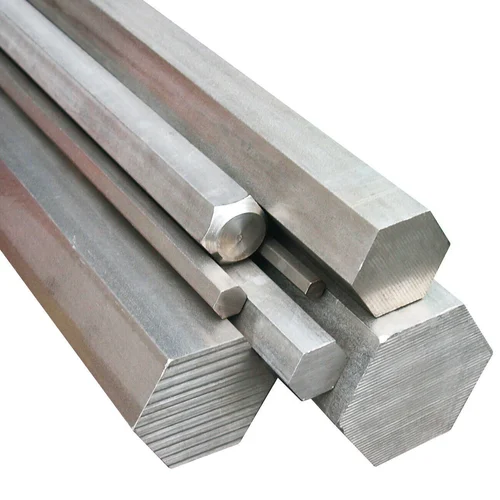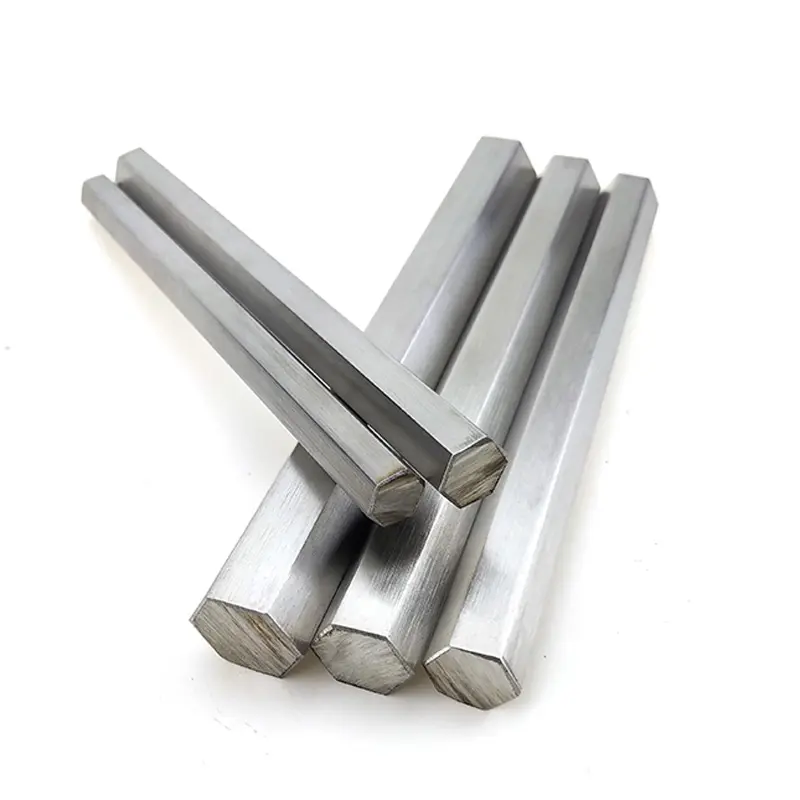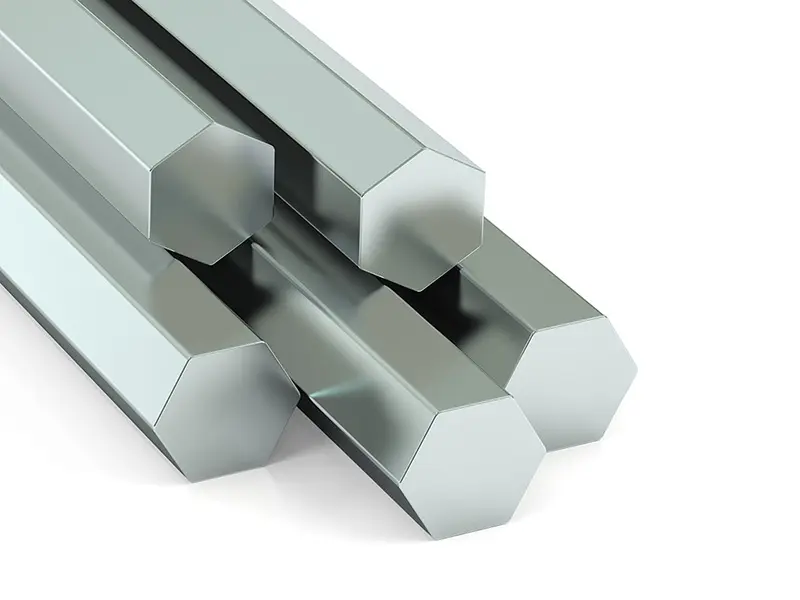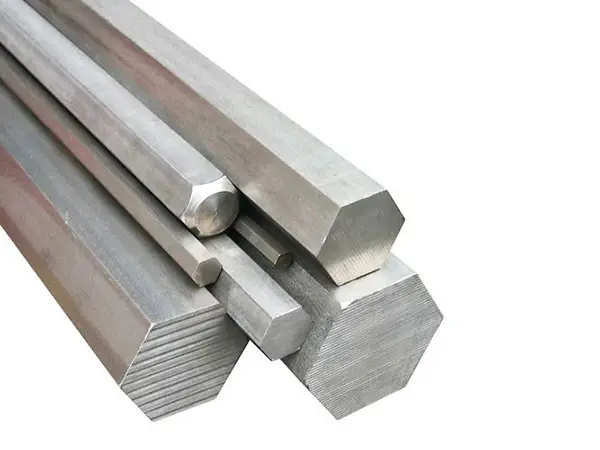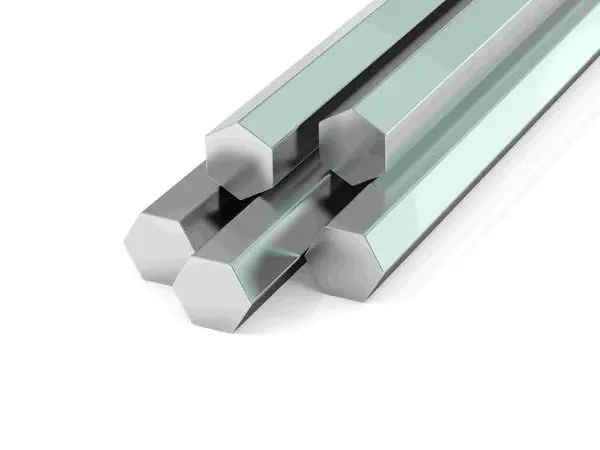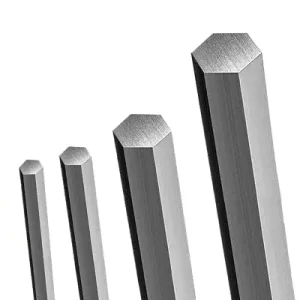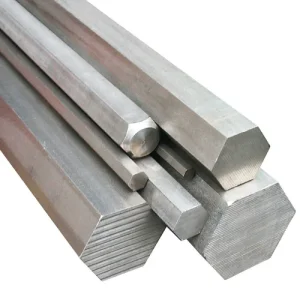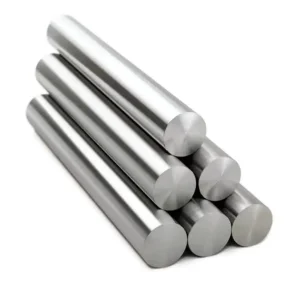
Wholesale High quality 316 stainless steel hexagonal bar - high temperature resistant Precision machining Manufacturer, Factories

High quality, corrosion resistance, excellent processing performance, widely used in machinery, construction, decoration and other fields.

Specifications: ASTM A276, ASME SA276

Grade: 303, 304, 304L, 316, 316L, 321

Length: 5.8M,6M & Required Length

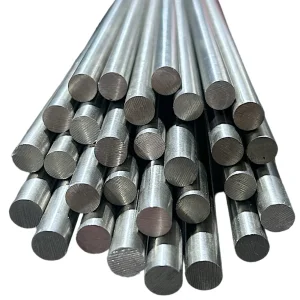
Form: Round, Square

Product Description

Overview
Stainless Steel Hexagonal Bars are commonly used in various industries such as construction, manufacturing, automotive, aerospace, and marine. They are widely used in applications such as shafts, fasteners, fittings, precision machine parts, and building components. These bars are available in various grades of stainless steel, with the most common being 304 and 316 stainless steel grades. The choice of grade depends on the specific requirements of the application, such as corrosion resistance, strength, and high temperature resistance. Stainless Steel Hexagonal Bars are commonly manufactured through processes such as hot rolling, cold drawing, or machining from stainless steel billets or ingots.
Stainless steel flat steel can be used to form various load-bearing components according to different structural needs, and can also be used as connectors between components. It is widely used in various building structures and engineering structures, such as beams, bridges, transmission towers, lifting and transportation machinery, ships, industrial furnaces, reaction towers, container racks, and warehouse shelves.
Stainless steel flat steel is used as bridges, house frames, fences, transmission ships, vehicles, etc. in construction projects. The raw material billet of stainless steel flat steel is low-carbon square billet, and the finished stainless steel flat steel is delivered in hot-rolled, cold-rolled or hot-rolled state.
ASTM 201
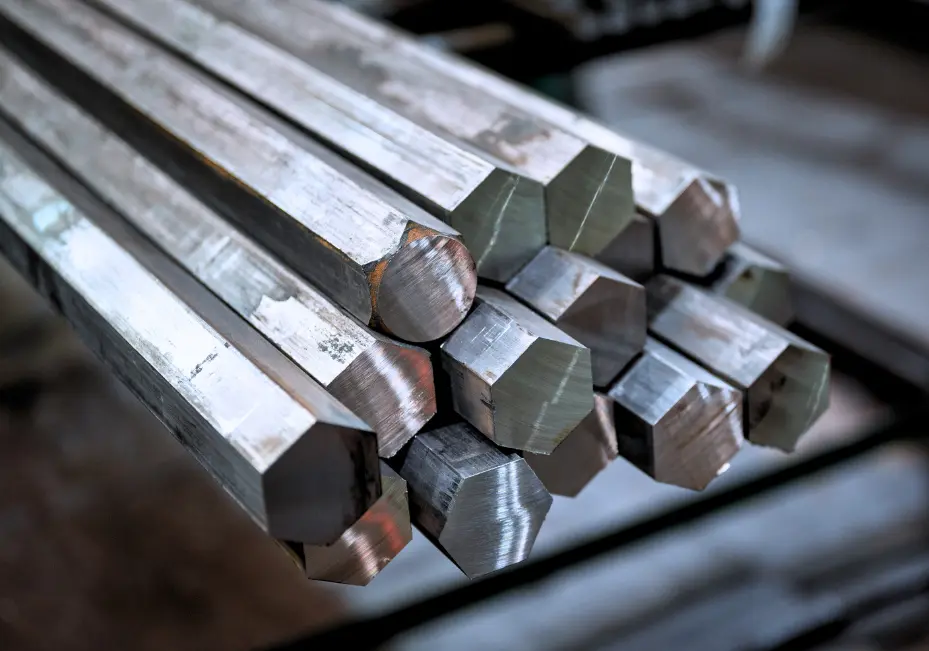
Stainless steel hexagonal rod 4
Key Features
Corrosion resistance: Stainless steel contains at least 10.5% chromium, which makes it have excellent corrosion resistance.
Strength and wear resistance: Due to the inherent characteristics of its material, stainless steel hexagonal bars show good strength and wear resistance to a certain extent.
Excellent mechanical properties: The production process of stainless steel hexagonal bars can achieve high mechanical properties.
Easy to process: Stainless steel hexagonal bars can be processed by cold drawing, hot rolling, machining and other methods.
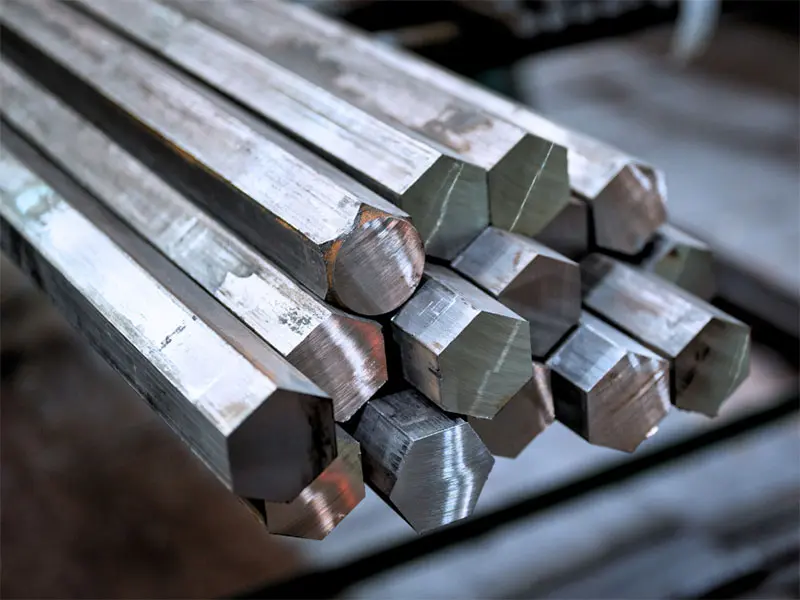
Stainless steel hexagonal rod 5
Stainless steel hexagonal rod 6
Theoretical Weight Calculation
Calculation method for stainless steel flat steel:
Weight per meter (kg) = 0.00793 × side width (mm) × side thickness (mm)
Stainless Steel Metric Hex Bar Standard Grade
Size (mm) WT PER FEET IN KGS WT PER MTR IN KGS
160.622.05
180.792.59
200.762.49
221.183.87
251.525
281.916.27
302.197.2
322.508.19
363.1610.37
383.5211.55
403.9012.8
454.9416.2
506.1020
567.6525.08
Stainless Steel 316 Hex Bar Chemical Composition
Element C Cr Mn Ni P S Si
SS 3048.0-11.018.0-20.02.0 max8.0-11.00.045 max0.03 max1.0 max
SS 304L8.0-11.018.0-20.02.0 max8.0-12.00.045 max0.03 max1.0 max
SS 3160.08182140.045 max0.03 max0.75 max
SS 316L0.08182140.045 max3.00 max0.10 max
Frequently Asked Questions
What are the primary applications of Stainless Steel Hexagonal Bars?
They are widely used in construction, manufacturing, automotive, and aerospace for applications such as shafts, fasteners, fittings, and precision machine parts.
Which grades of stainless steel are most commonly used for hex bars?
The most common grades are 304 and 316 stainless steel, chosen based on specific needs for corrosion resistance and strength.
How is the weight of stainless steel flat steel calculated?
The theoretical weight per meter is calculated using the formula: 0.00793 × side width (mm) × side thickness (mm).
What makes stainless steel highly resistant to corrosion?
Stainless steel contains at least 10.5% chromium, which provides its excellent inherent corrosion resistance properties.
What are the common manufacturing processes for these bars?
They are typically produced through hot rolling, cold drawing, or machining from stainless steel billets or ingots.
Where is stainless steel flat steel used in construction?
It is used for structural components such as beams, bridges, house frames, fences, and transmission towers.

Related Products