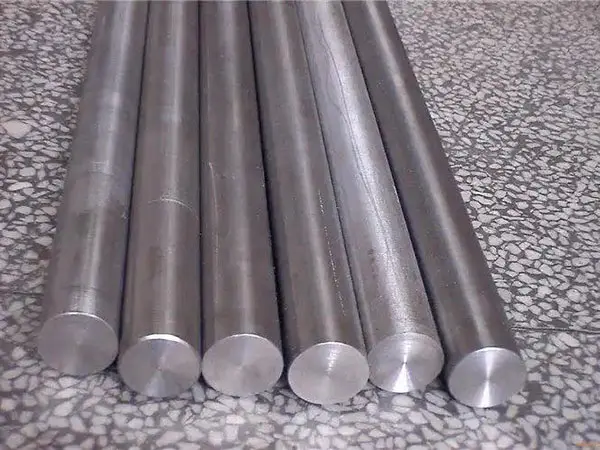
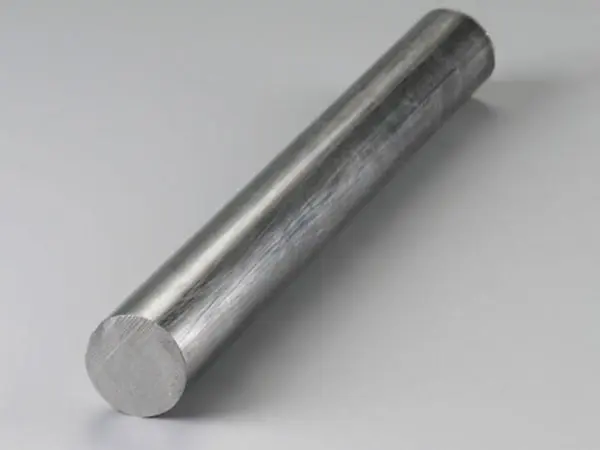
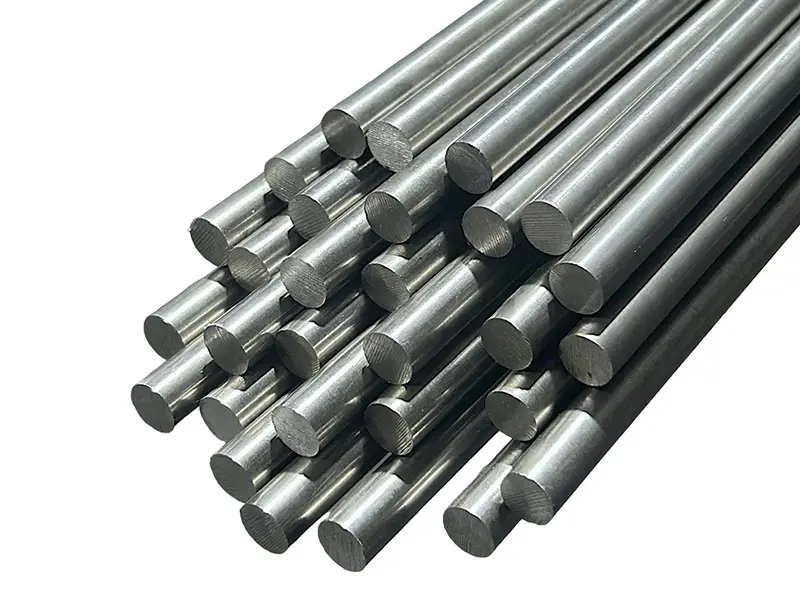
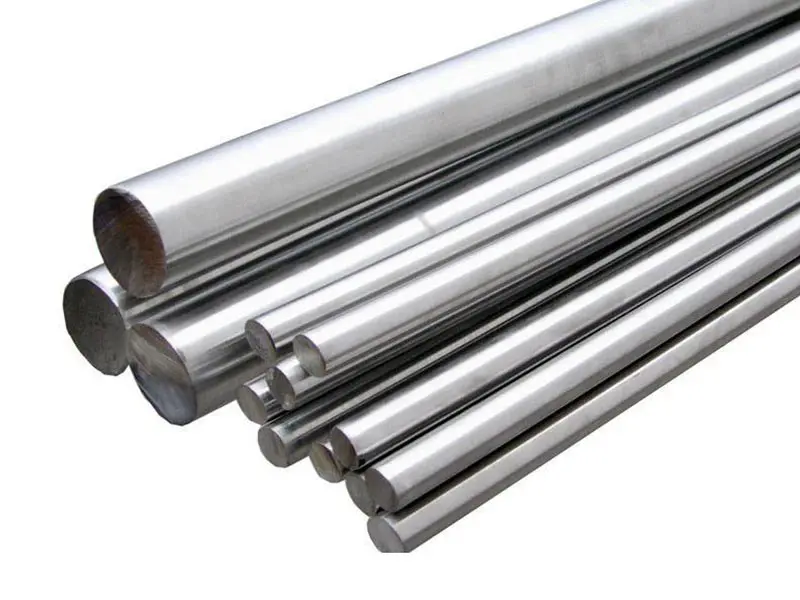
310 Stainless Steel Overview
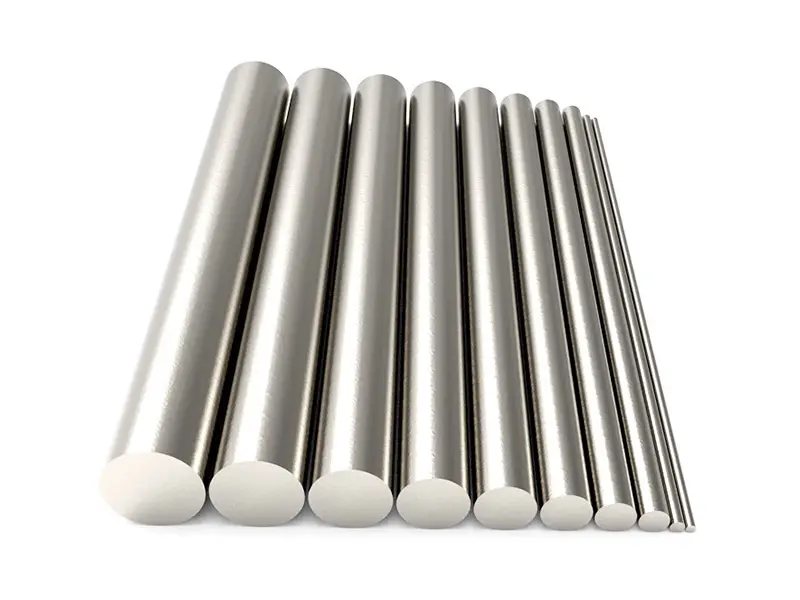
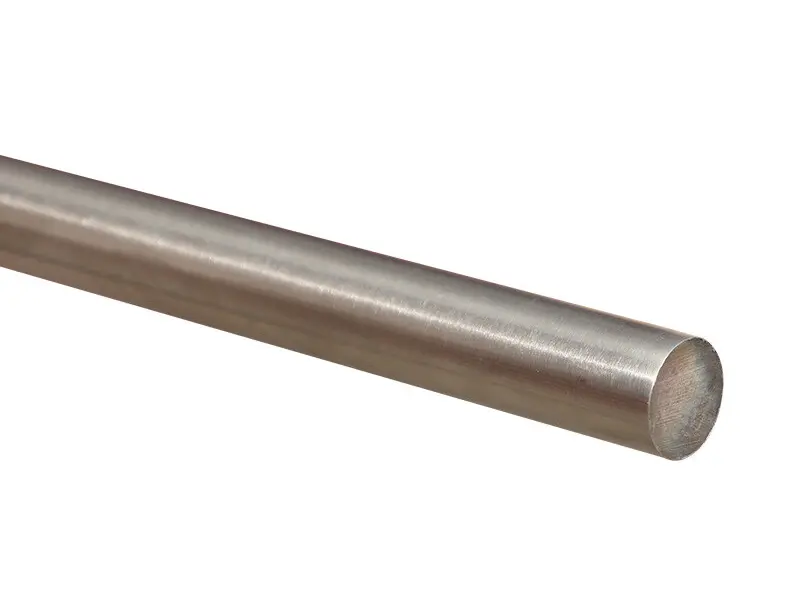
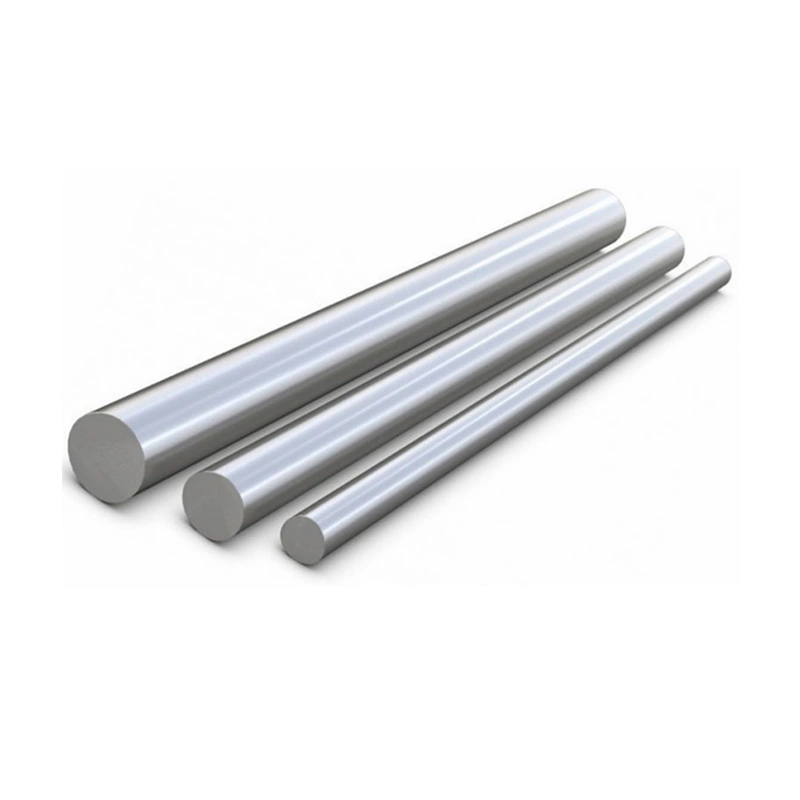
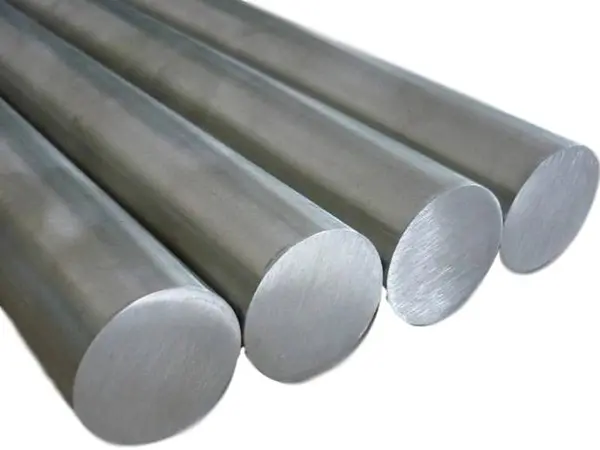
310 stainless steel is a high nickel and high chromium austenitic stainless steel designed for extreme high temperature environments. It is known for its excellent oxidation resistance, high temperature resistance and excellent creep strength. Compared with the common 304 or 316 stainless steel, 310 stainless steel can maintain higher structural stability and strength at high temperatures.
Key Features
✓
Excellent High-Temperature Resistance: Significantly higher nickel and chromium content enables operation up to 1200°C without oxidation or corrosion.
✓
High Corrosion Resistance: Exhibits excellent resistance in hot gases and oxidizing environments.
✓
Excellent Creep Strength: Ensures reliable, long-term operation of components under stress at high temperatures.
✓
Excellent Processability: Good ductility and weldability for cold-working, hot-working, and welding.
Typical Applications
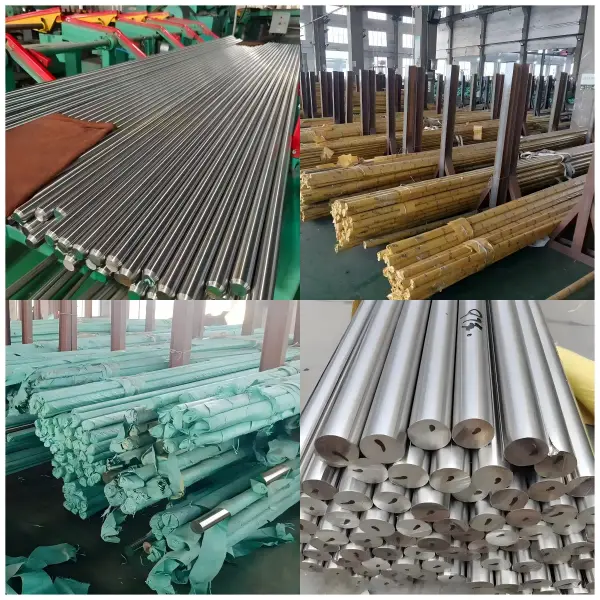
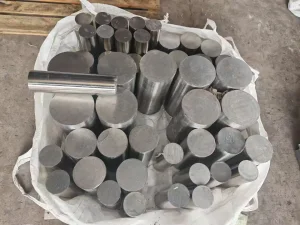
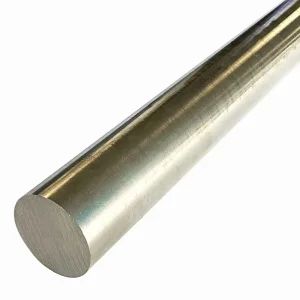
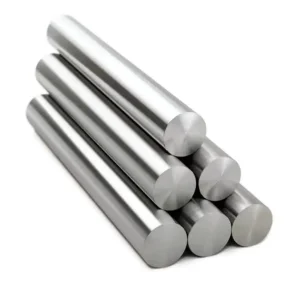
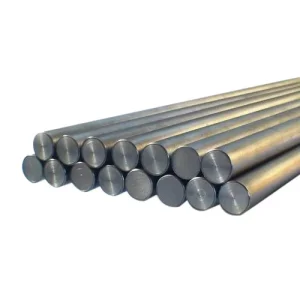
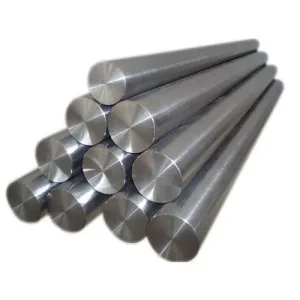
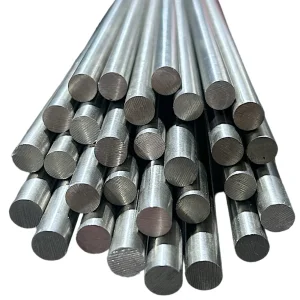
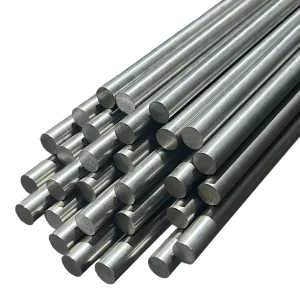
Due to its exceptional performance in high-temperature environments, 310 stainless steel bar is widely used in the following demanding applications:
Heat treatment: Furnace chambers, furnace components, burners, and radiant tubes.
Chemical & Petrochemical: High-temperature reactors, heat exchangers, and piping.
Aerospace: Jet engine components and exhaust systems.
Food Processing: High-temperature baking ovens and equipment.
Glass & Cement: Kiln linings, high-temperature piping and brackets.
Technical Specifications
310 / 310S Stainless Steel Bar Chemical Composition
| Grade |
C |
Mn |
Si |
P |
S |
Cr |
Ni |
| 310 |
0.25 max |
2.0 max |
1.5 max |
0.045 max |
0.030 max |
24.0 – 26.0 |
19.0 - 22.0 |
| 310S |
0.08 max |
2.0 max |
1.5 max |
0.045 max |
0.030 max |
24.0 – 26.0 |
19.0 - 22.0 |
Mechanical & Physical Properties
| Property |
Value |
| Tensile Strength (min) |
MPa – 620 |
| Yield Strength (0.2% Offset) |
MPa – 310 |
| Elongation |
30 % |
Frequently Asked Questions
What is the main advantage of 310 stainless steel over 304?
310 stainless steel contains higher levels of nickel and chromium, allowing it to maintain much better structural stability and oxidation resistance at extreme temperatures (up to 1200°C).
What is the difference between 310 and 310S grades?
The primary difference is the carbon content. 310S has a lower maximum carbon content (0.08% max) compared to 310 (0.25% max), which improves weldability and reduces the risk of carbide precipitation during service.
Can 310 stainless steel be used in furnace components?
Yes, it is an ideal material for furnace chambers, burners, and radiant tubes due to its excellent high-temperature resistance and creep strength.
Is 310 stainless steel resistant to corrosion?
Yes, in addition to high-temperature resistance, it exhibits excellent corrosion resistance, particularly in oxidizing environments and hot gases.
Is this material easy to work with?
Yes, 310 stainless steel exhibits excellent ductility and weldability, making it suitable for cold-working, hot-working, and various welding processes.
What is the maximum operating temperature for 310S?
310 stainless steel can operate stably at temperatures up to 1200°C without significant oxidation.
 Mei Shen STEEL