Providing engineered, durable lifting and steel fabrication solutions for Namibia's municipal, mining, and maritime sectors.
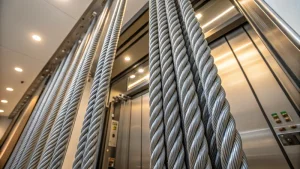
Namibia is witnessing a significant surge in demand for specialized wire ropes. Urban growth in cities like Windhoek and industrial expansion in coastal zones like Walvis Bay and Lüderitz drive the need for high-end elevator hoisting components. However, Namibia’s geography presents extreme challenges: the relentless salt-laden coastal fog along the Skeleton Coast, combined with the dry, abrasive dust of the Kalahari and Namib deserts.
Standard elevator ropes deteriorate rapidly under these conditions due to micro-abrasive wear and accelerated oxidation. That is why leading developers, engineering houses, and mining operators in Namibia look to manufacturers who supply wire ropes with premium core materials, precise lubricant containment (specifically tailored for high-temperature and dry regions), and robust galvanization layers.
Our manufacturing and testing processes strictly align with the certifications required for high-risk lifting applications across Southern Africa.
Elevator wire ropes are a critical safety component. For the Namibian market, we guarantee compliance with both South African National Standards (SANS 10360 / SANS 4344) and key international benchmarks like ISO 4344, EN 12385-5, and ASME A17.1.
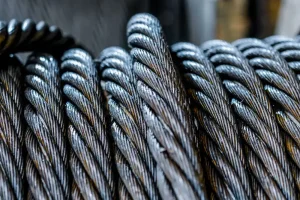
Our ropes utilize specialized Seale or Warrington construction configurations (such as 8x19S and 8x19W) with high-density natural fiber cores (FC) or independent wire rope cores (IWRC). The steel wire undergoes complex cold drawing and heat treatment stages to reach tensile strengths from 1570 MPa to 1960 MPa. This offers Namibian mining operators and building contractors optimal traction, minimum elongation, and superior fatigue resistance.
| Rope Construction | Core Type | Tensile Grade (MPa) | Main Application in Namibia |
|---|---|---|---|
| 8x19S + FC | Fiber Core (Sisal) | 1370 / 1770 Dual | Low-to-Medium Speed Passenger Elevators |
| 8x19S + IWRC | Steel Core | 1770 / 1960 | High-Rise Building Hoists & Heavy Cargo Lifts |
| 8x19W + FC | Fiber Core | 1570 / 1770 | High-Speed Elevators with High Bending Cycles |
| 6x36WS + IWRC | Steel Core | 1770 / 1960 | Mining Shaft Elevators & Harbor Crane Rigs |
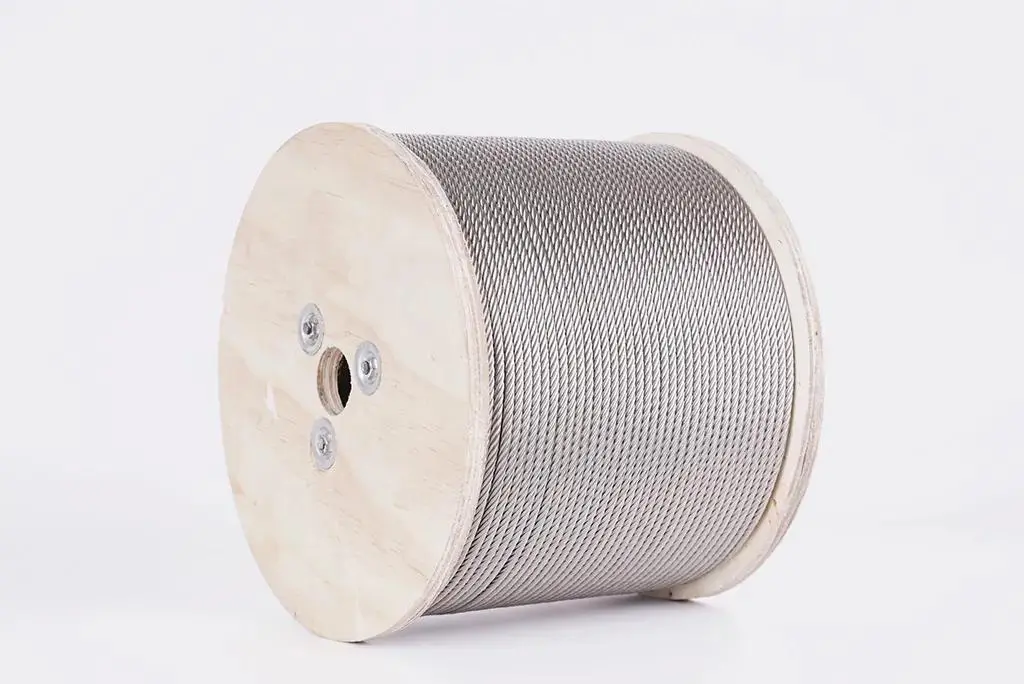
Founded in 1999, Shanghai Mei Shen Industrial Co., Ltd. is a unified developer, manufacturer, and supplier of specialized high-strength wire ropes. With our central production hub based in Jiangsu Province, we leverage a highly structured raw material pipeline, cutting-edge wire drawing technology, and advanced testing facilities.
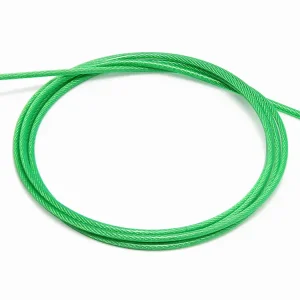
This allows us to maintain stable production costs while delivering international-grade materials. Our portfolio covers stainless steel wire ropes, galvanized industrial ropes, plastic-coated wire ropes, compacted wire ropes, and specialized non-rotating series ideal for the building machinery, bridge construction, port lifting, and mining operations of Namibia.
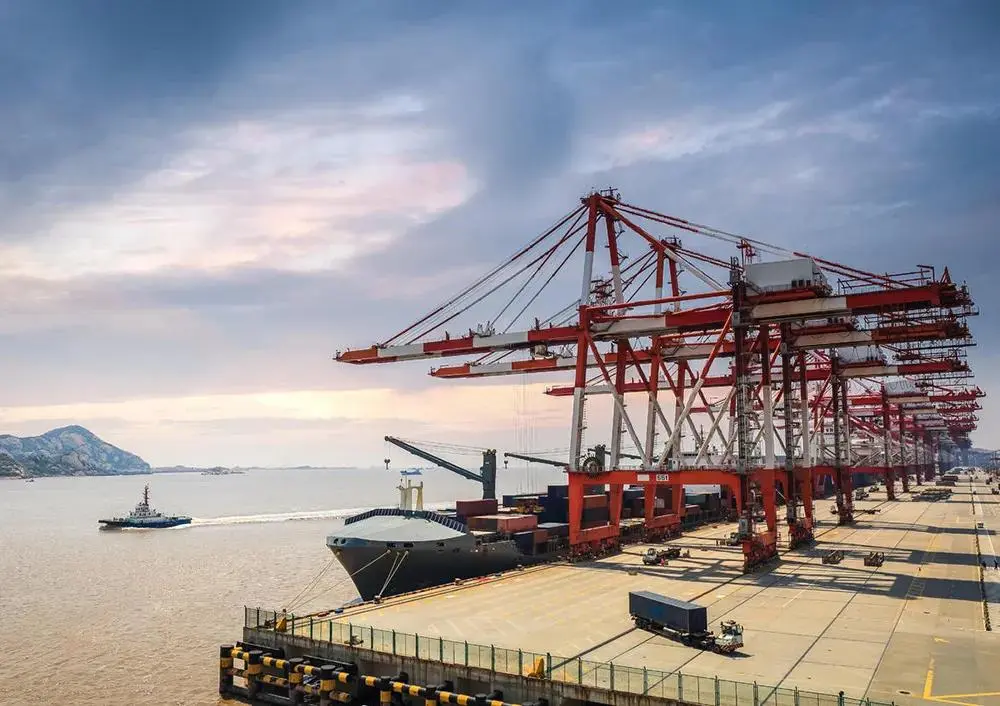
By bypassing third-party trading agencies, we offer direct factory shipping to the Port of Walvis Bay. This ensures competitive pricing and clear logistical tracking for major Namibian mining operators and building contractors.
Engineered options engineered to address specific load, environmental, and mechanical constraints.
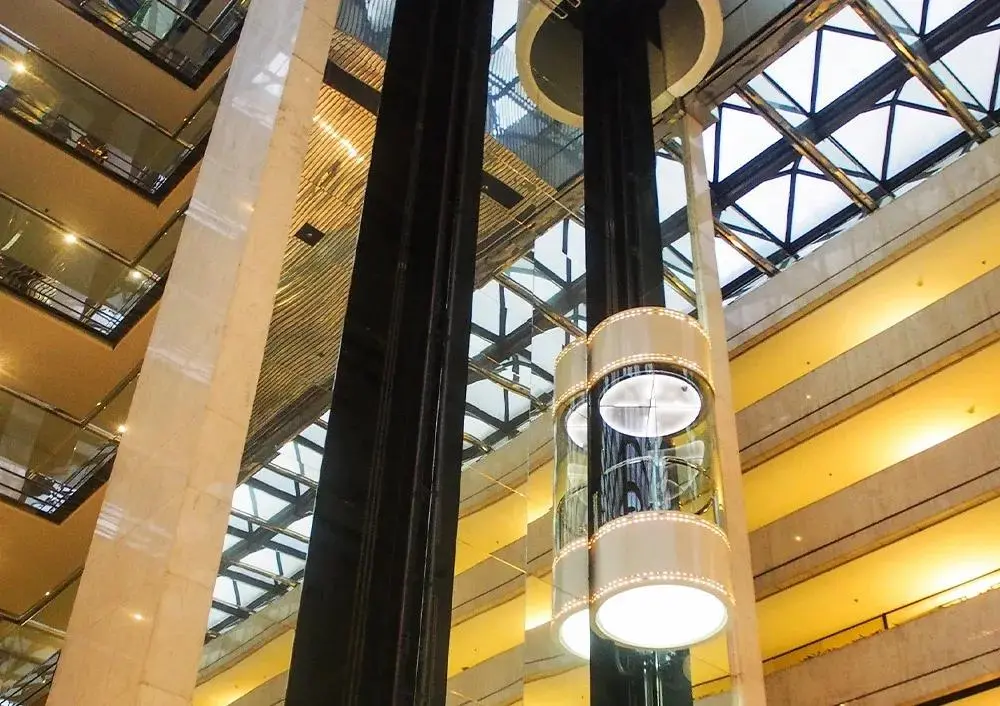
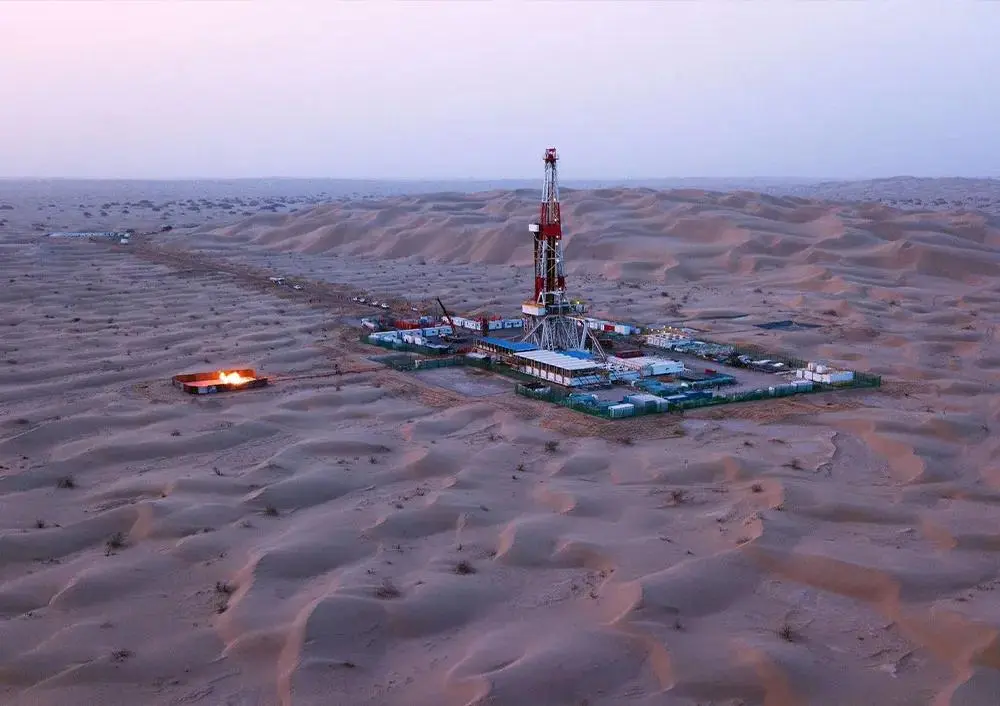
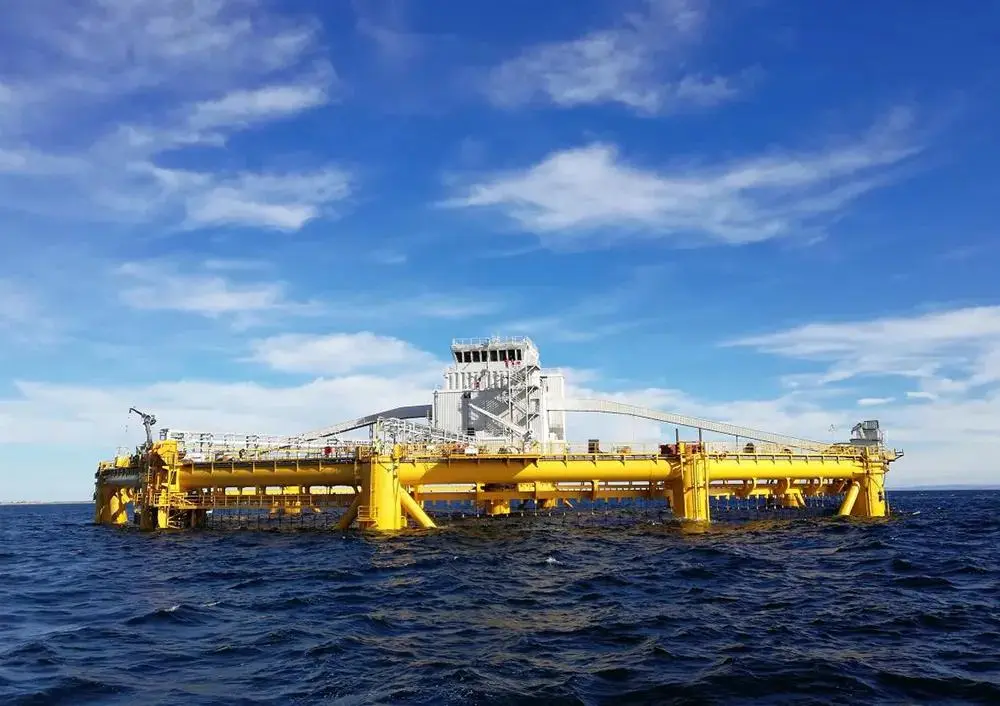
Important information regarding installation, rope selection, and maintenance in challenging African environments.
For low-to-medium rise structures in warm, dry regions (such as Windhoek), an 8x19S+FC (Fiber Core) is usually standard. The fiber core is vacuum-impregnated with dynamic lubricants, acting as a lubricant reservoir. This design maintains smooth traction and protects inner wires. For high-speed systems or shafts exposed to hot, dusty winds, an 8x19S+IWRC (Independent Wire Rope Core) is recommended to limit structural elongation and reduce wire wear from dust intrusion.
Our factory supplies wire ropes with heavy zinc galvanization meeting Class A or Class B coating weights. In addition, we apply special synthetic structural coatings and lubricants that block salt-laden air from directly reaching the steel wires, preventing oxidation and pitting corrosion.
We provide full material test certifications, including Mill Test Certificates, EN 10204 3.1 certification, breaking load test reports, and third-party inspection alignment (SGS, BV, or equivalent). These reports ensure your safety files comply with the local Namibian Minerals (Prospecting and Mining) Act.
Yes, our engineering team can custom-fabricate ropes to match historical specifications, non-standard diameters, or unique winding drums. We also offer terminal treatments, socketing, and matching wedge sockets to support retrofits.
Typically, manufacturing takes 15 to 25 days depending on specification and order volume. Sea transit from major ports like Shanghai to Walvis Bay Port ranges from 30 to 40 days. We assist with all export documentation to ensure quick customs clearance on arrival.
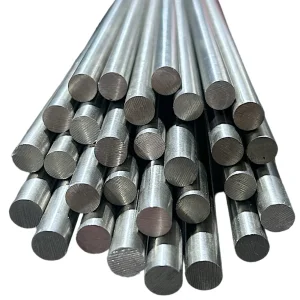
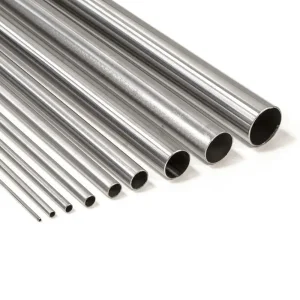
Original high-precision items and structural components adapted for Namibian construction, maritime rigging, and chemical industries.
Leverage our 20+ years of wire rope manufacturing experience. Contact our technical engineering team for bulk factory pricing, custom lengths, and direct shipping logistics to Walvis Bay Port.
 Mei Shen STEEL