Explore our premium grade materials manufactured under strict E-E-A-T quality compliance standards
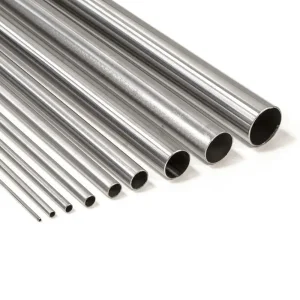
Heavy-duty construction optimized for industrial systems.
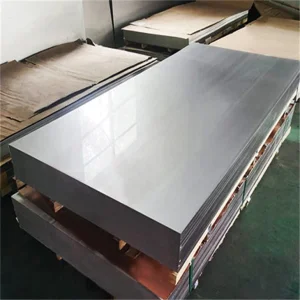
Outstanding chemical resistance for hazardous media storage.
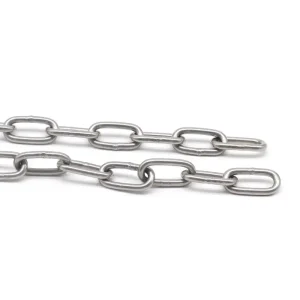
Equipment fixing, safety barriers, and industrial rigging.
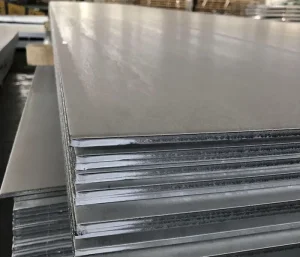
Engineered for chemical plants processing corrosive acids.
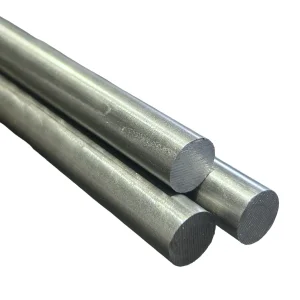
High tensile strength and excellent mechanical properties.
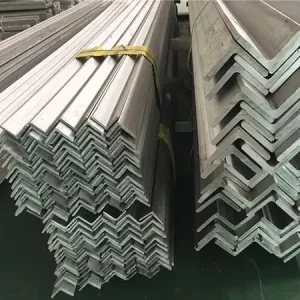
Robust profiles for architectural and structural layouts.
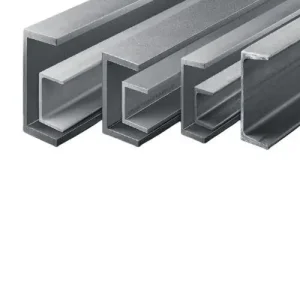
Precision dimensions with high structural integrity load-bearing.
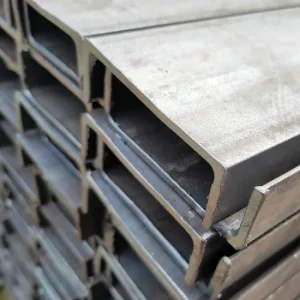
Marine and chemical structural configurations.
A comprehensive metallurgical analysis by Shanghai Mei Shen Industrial Co., Ltd.
Frosted stainless steel belts (often referred to in structural metallurgy as matte, dull, or bead-blasted stainless steel strips) represent a highly specialized category of metal bands. Standard cold-rolled stainless steel exhibits high reflectivity. In contrast, the frosted surface finish is generated through chemical pickling, mechanical shot peening, or precision skin-pass rolling using textured work rolls. The primary metric of this finish is surface roughness (Ra), which typically ranges between 0.5 μm and 2.0 μm depending on the exact industrial application.
The process of frosting alters the light reflection properties from specular reflection (mirror-like) to diffuse scatter. This not only enhances the aesthetic value of the steel belt in architectural and consumer applications, but also offers vital technical advantages. The microscopic valleys in the frosted surface acts as reservoirs for lubricants during deep drawing or roll forming operations, significantly reducing tool wear and friction coefficients.
In heavy industrial environments, specular glare can cause occupational safety issues. Dull or frosted finishes mitigate safety hazards by absorbing glare from intense overhead industrial lighting. Additionally, frosted belts minimize the visibility of minor physical abrasions, scratches, and fingerprints.
China has built the world's most integrated stainless steel supply chain ecosystem, centered in industrial provinces like Jiangsu and Zhejiang. By combining upstream continuous smelting facilities with downstream high-precision processing centers, Chinese factories offer unprecedented advantages in precision cold-rolling, tension-leveling, and customized surface finishing.
State-of-the-art AGC (Automatic Gauge Control) rolling mills achieve extreme precision for uniform belt performance.
Continuous chemical analysis prevents carbon depletion and trace impurities in AISI 304, 316, and 316L formulations.
Automated optical surface measurement verifies the stability of the dull/matte finish across thousands of meters of coils.
For modern purchasing officers representing European, North American, or Asian engineering firms, navigating material specifications is critical. A frosted stainless steel belt must conform to rigorous testing parameters, including ASTM A240, EN 10088-2, and JIS G4305. Depending on the mechanical stresses the belt will encounter during its operating lifecycle, factors such as yield strength (Rp0.2), ultimate tensile strength (Rm), and elongation rate (A50) must be carefully calibrated.
Whether you require Austenitic alloys (like 304/316) for chemical and medical environments, or Martensitic/Ferritic grades for high hardness and wear resistance, alignment with the supplier's technical engineers is essential.
High-value cable, wire rope, and structural reinforcement systems
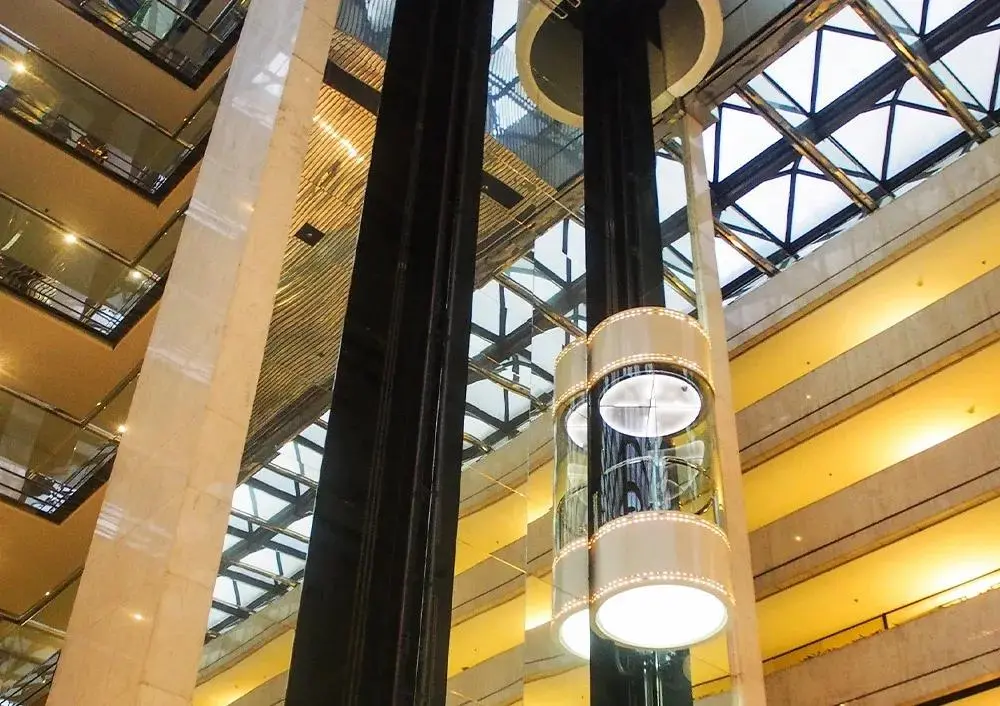
The standard construction of elevator wire rope includes seale and warinaton, in 8 or 9 strand construction, including filled wire. It is optimized for reducing bending stress, abrasion resistance and increased stability against radial pressures.
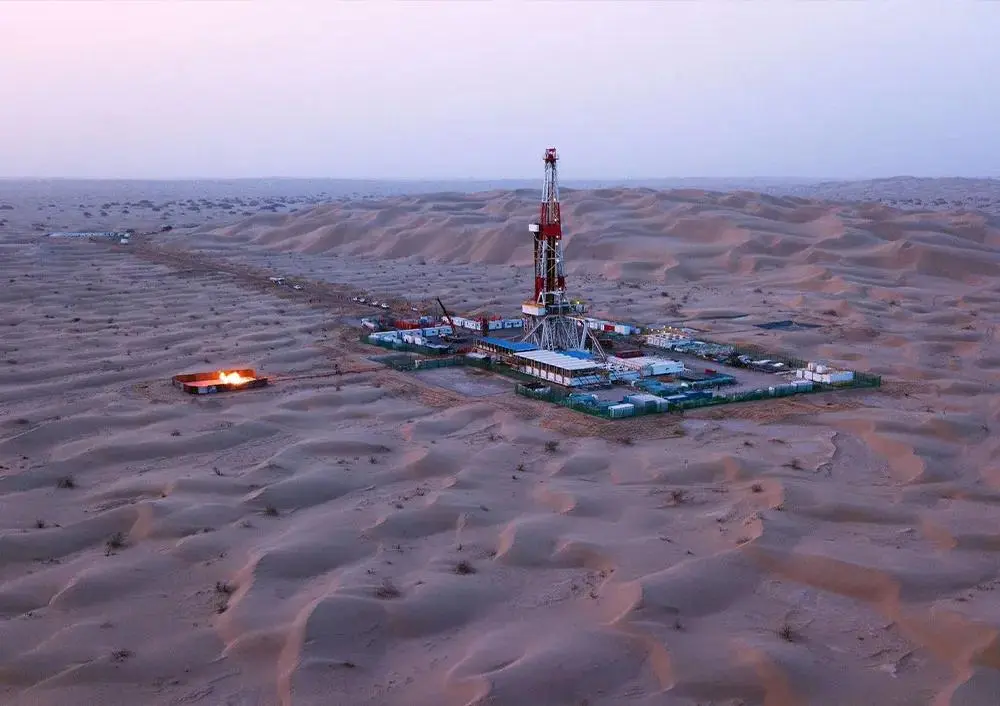
Oil drilling wire rope is a special purpose wire rope. With the continuous progress of wire rope design technology and the development of drilling rig manufacturing, steel core has become a set trend. EIP level application is widespread, and special drilling wire rope is increasingly valued.
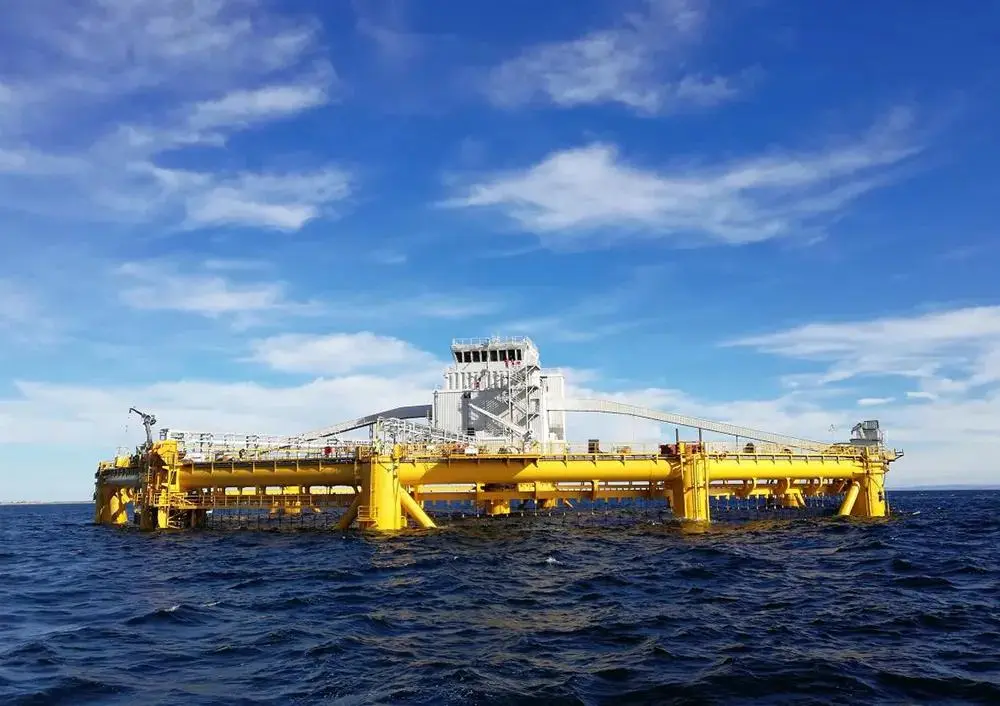
There are single strand wire rope, 6 strand wire rope and multi-strand wire rope for Marine engineering. Fully sealed wire ropes have also obtained significant development and application in recent years for extreme offshore conditions.
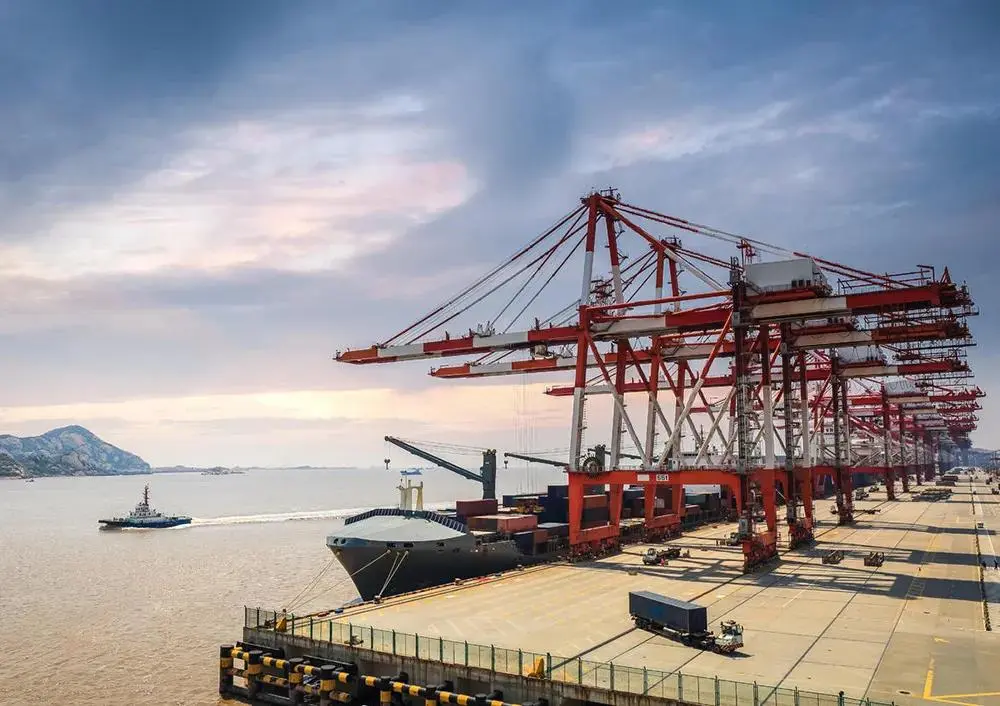
Widely used in a series of working mechanisms such as the lifting mechanism of various types of cranes, the amplitude changing mechanism of wheeled cranes, and the opening and closing mechanism of various clamps.
Founded in 1999, integrating scientific research, manufacturing, and advanced steel services.
We are primarily committed to the field of steel wire rope manufacturing research and development, production, sales, and service, providing customers with the latest technology, the most valuable, and the most reliable products. Our massive production plant is located in Jiangsu Province, with an annual output of stainless steel wire rope, smooth steel wire rope, galvanized steel wire rope, plastic coated steel wire rope, compacted steel wire rope, special steel wire rope for rotary excavators, and elevator ropes.
Our products are widely used in construction machinery, bridge construction, ocean engineering, port lifting, coal mining, water conservancy engineering, and other lifting, binding, and traction systems. It represents one of the largest and most complete steel wire rope production bases in China, exporting to global markets in compliance with ISO, BS, DIN, JIS, ABS, and LR parameters.
"MEI SHEN INDUSTRIAL" - Strategic solutions for harsh operating environments
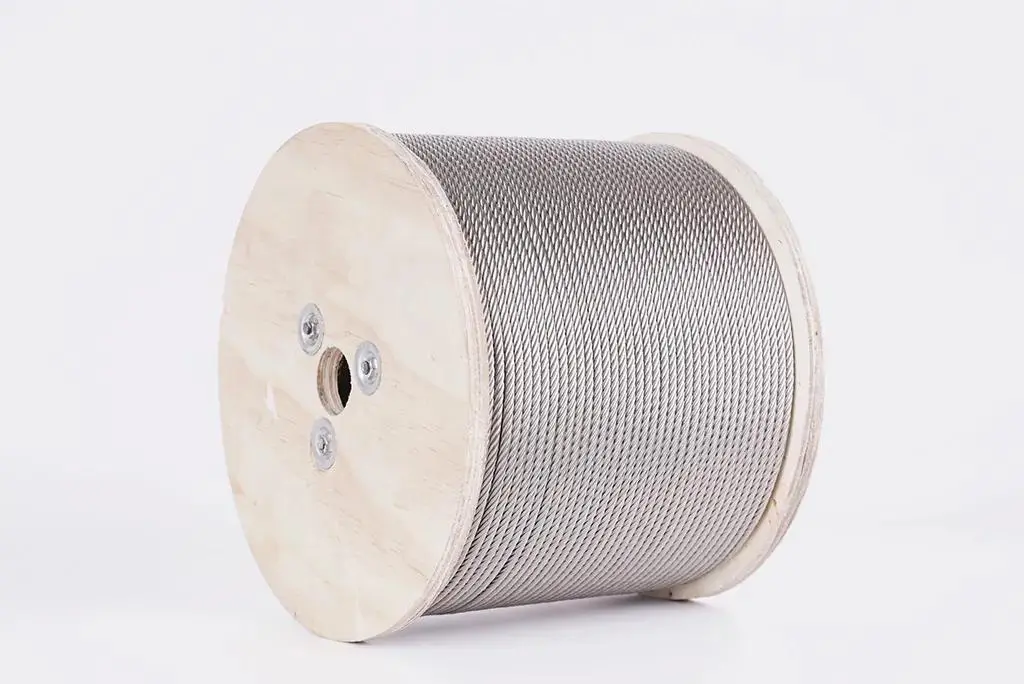
Featuring high temperature resistance, excellent fatigue resistance, high breaking tension, and long-term durability. Designed in compliance with ISO, BS, DIN, and JIS standards.
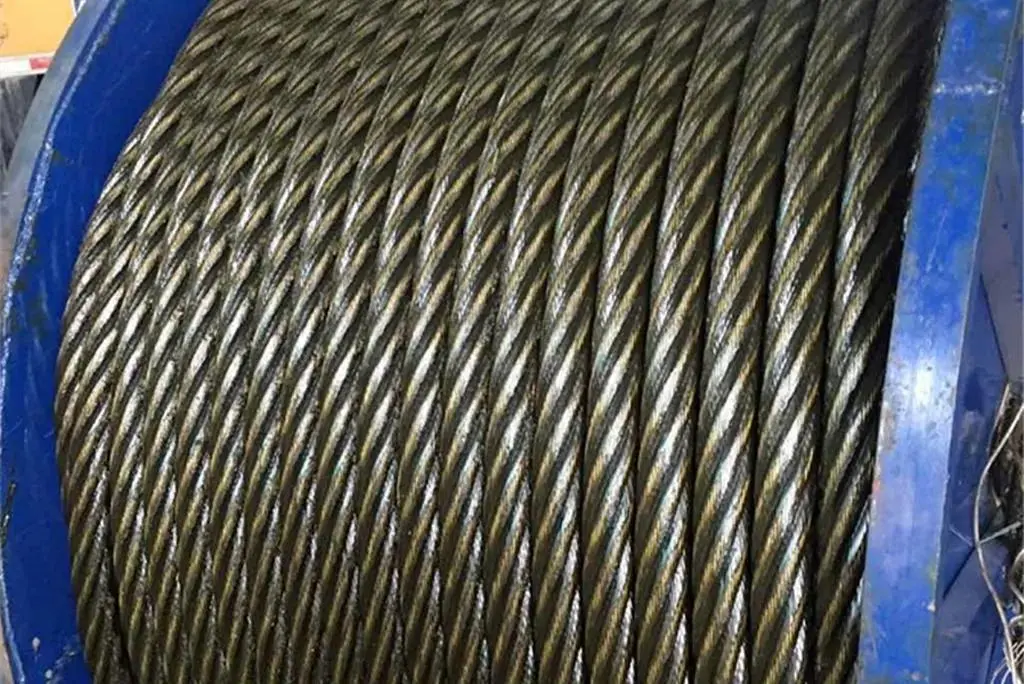
Specially engineered to withstand continuous friction, extreme torque, and deep marine corrosive environments in high-capacity oil extraction platforms.
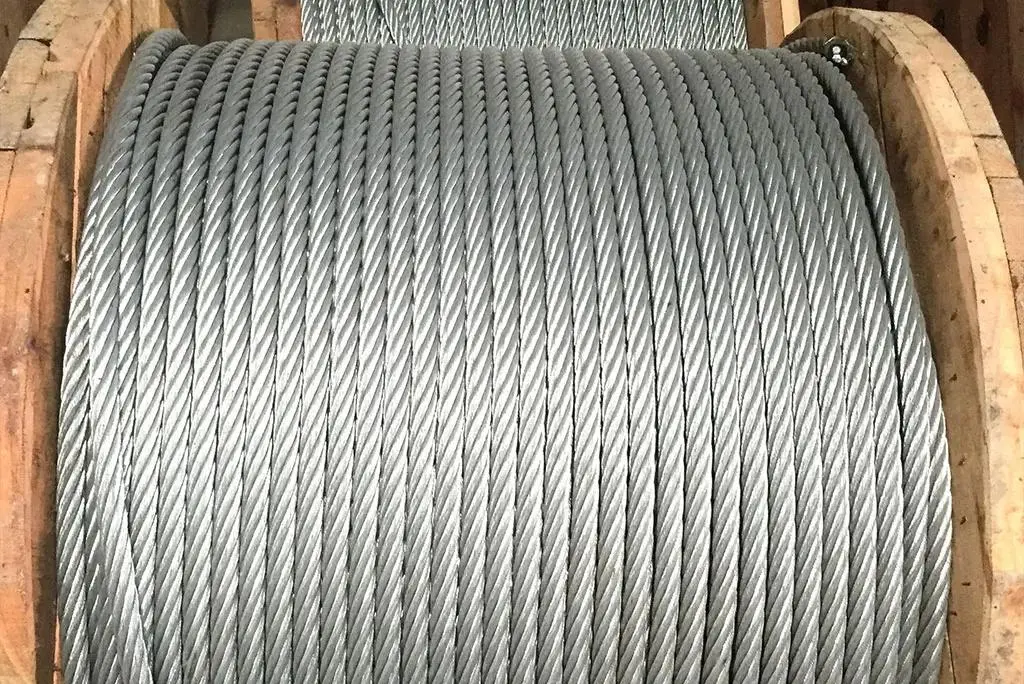
High-tensile designs utilizing carbon spring steel wires and specialized lubricant cores, ensuring maximum operation safety for high-rise buildings and mines.
The deployment of frosted stainless steel belts is expanding rapidly across several macro-industrial sectors. Understanding the specific constraints of each scenario is key to determining the appropriate steel grade and surface roughness.
In industrial baking and food transport, specular finishes can cause raw dough or wet products to stick to the belt surface due to surface tension. A frosted, matte surface allows for efficient release and prevents sticky residues from building up. For these applications, AISI 304 and 316L are used to ensure chemical inertness, compliance with FDA hygiene standards, and resistance to harsh sanitizing chemicals.
During the manufacturing of semiconductors and optical components, glare from equipment can disrupt high-precision camera inspection systems. Using frosted steel components inside cleanrooms and on transport lines eliminates reflection issues. The surface treatment must be completely residue-free to prevent outgassing and particle contamination in vacuum chambers.
Frosted steel strips are widely utilized to manufacture structural components and high-end exterior panels. The matte finish helps diffuse light, which reduces glare hazards for other drivers. It also provides a stable substrate for powder coating, electroplating, or PVD coloring, which improves adhesion and prevents peeling over time.
For exterior cladding, columns, and interior elevators, frosted stainless steel panels offer a clean, modern aesthetic. The diffuse reflection hides dust, rain stains, and small physical impacts, which significantly reduces long-term maintenance costs for commercial buildings and high-traffic public facilities.
The global steel sector is undergoing a shift toward sustainable manufacturing. Modern Chinese factories are actively reducing their carbon footprint by using electric arc furnaces (EAF) powered by green energy, optimizing scrap steel usage, and implementing zero-emission chemical pickling loops. At the same time, integration with automated CNC tension levelers ensures that long steel coils remain flat and free from internal stresses, preventing distortion when cut or stamped by the end user.
Latest updates from Shanghai Mei Shen Industrial Co., Ltd.
Join the September Shopping Festival and enjoy great discounts! We have been focusing on exporting steel wire ropes for more than 16 years, and the quality...
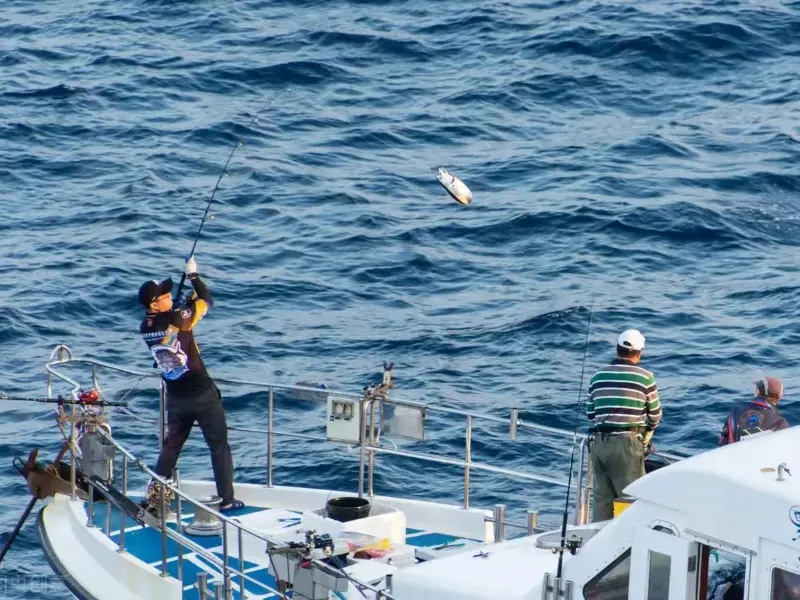
A detailed study on non-magnetic applications of stainless steel wire ropes in highly sensitive medical device testing chambers and aerospace research environments.
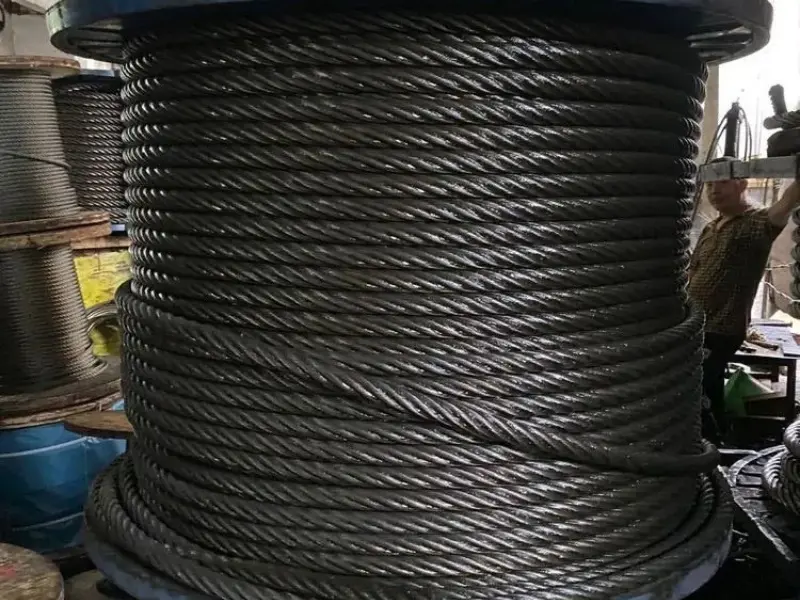
An engineering guide detailing wire rope structures, load limits, and safety factor calculations to prevent failures in marine and heavy hoisting operations.
Premium auxiliary materials for chemical processing, lifting, and structural engineering projects
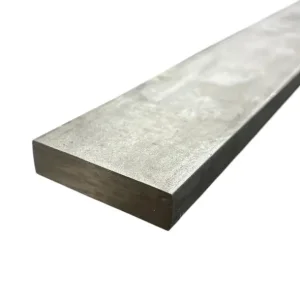
Suitable for acid and alkali environments in chemical processing plants.
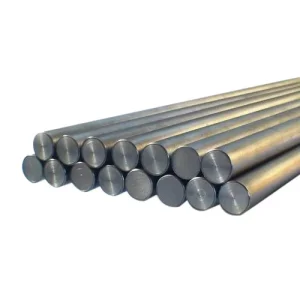
Medical-grade quality steel optimized for surgical equipment.
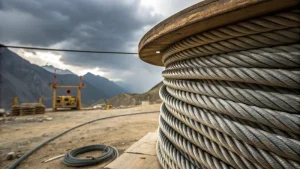
Galvanized steel wire rope engineered for heavy cranes.
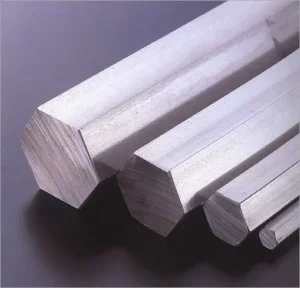
Precision dimensions for fastener and mechanical part machining.
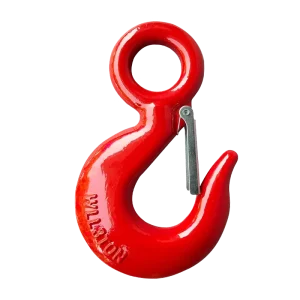
Rigging hardware optimized for heavy hoisting operations.
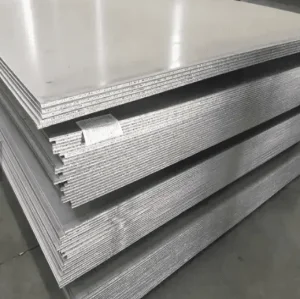
Large size supply tailored for massive chemical containment vessels.
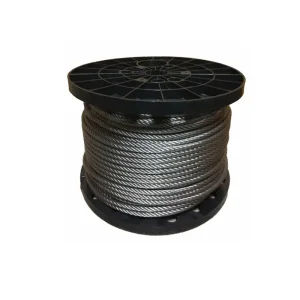
High carbon, high quality wire ropes for outdoor construction and cabling.
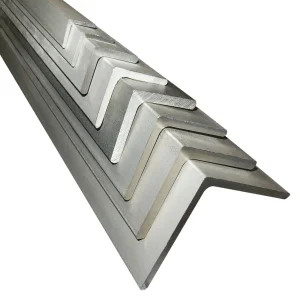
Premium structural angles manufactured in ISO-certified factories.
Expert metallurgical answers concerning frosted stainless steel belts and related alloys
The difference lies in surface topography and light reflection. A mirror finish (e.g., No. 8) is highly polished, producing specular reflections with low roughness (Ra < 0.1 μm). A frosted or matte finish is treated with shot peening, skin-pass rolling, or pickling to create a textured surface (typically Ra 0.5–2.0 μm) that scatters light and hides scratches and wear.
We supply a range of grades including AISI 304 (standard application), AISI 316 and 316L (corrosive and marine environments), and duplex grades for high tensile strength requirements. Special alloy finishes can also be produced on demand.
No, when processed correctly, the chemical stability of the alloy is maintained. In many cases, a subsequent chemical passivation step is performed to restore the chromium oxide layer, ensuring high resistance to oxidation and environmental corrosion.
Utilizing high-end cold rolling mills with Automatic Gauge Control (AGC), we achieve a precision thickness tolerance of up to +/-0.01mm, ensuring consistent mechanical behavior throughout the entire coil.
Yes, our AISI 304 and 316L frosted belts can be certified to food contact standards (FDA, EC 1935/2004). The matte texture aids in product release, and the material's chemical inertness allows for safe sanitizing.
Every production batch undergoes comprehensive mechanical testing, including yield strength, ultimate tensile strength, elongation, Rockwell hardness, and microscopic surface roughness profiling.
Coils are wrapped in anti-rust VCI paper, encased in wooden or steel crates with desiccants, and secured firmly on pallets to prevent moisture exposure and shifting during transit.
Standard specifications are typically processed and shipped within 15–20 days. Large-scale structural orders, specialized alloys, or custom widths requiring precision slitting may take 30–45 days, depending on material availability and processing queue.
 Mei Shen STEEL