Overview
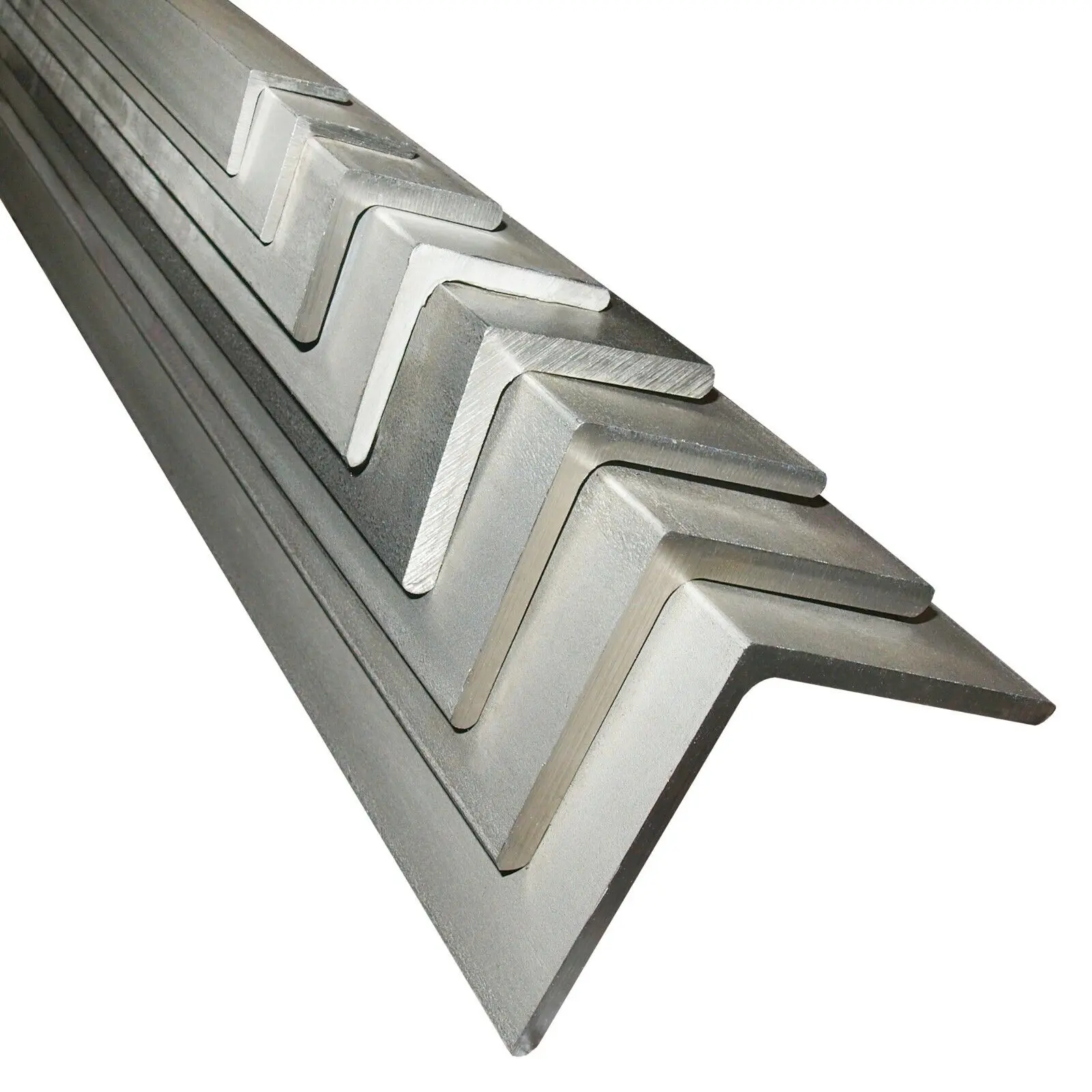
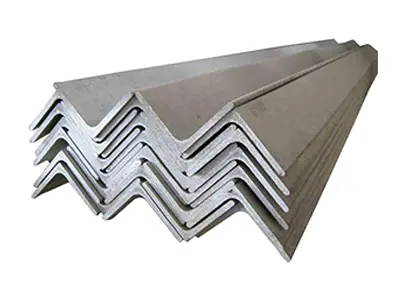
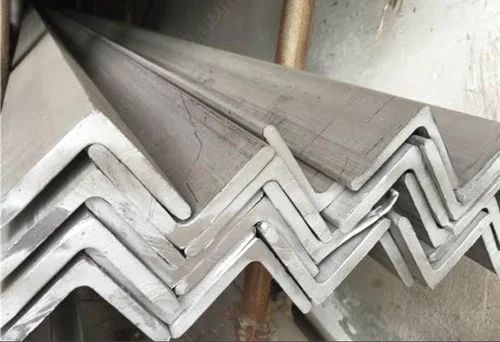
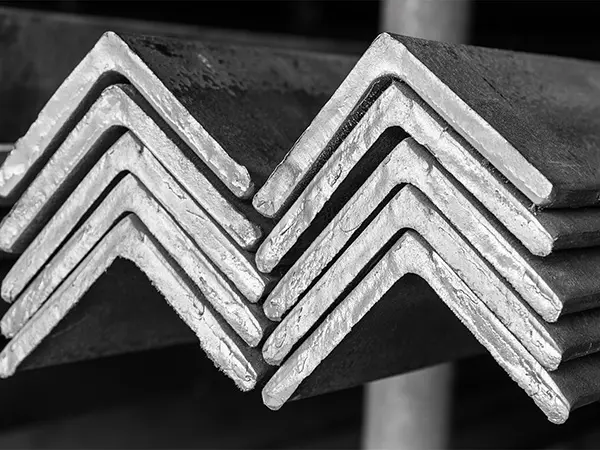
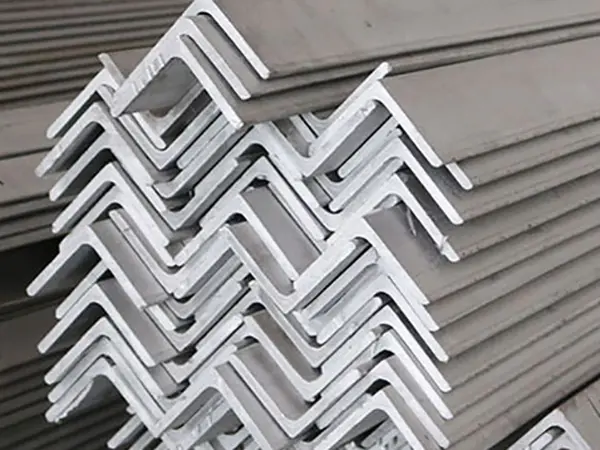
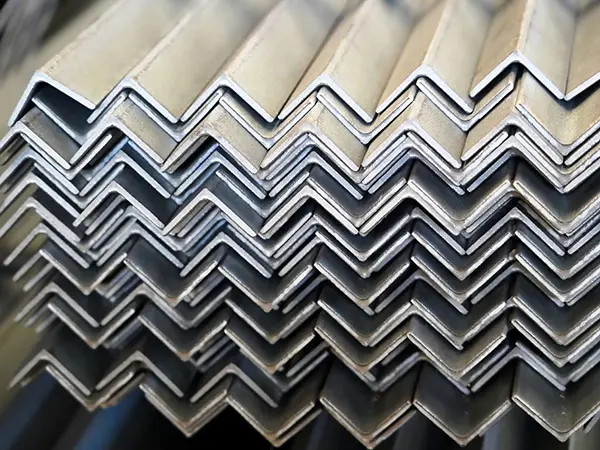
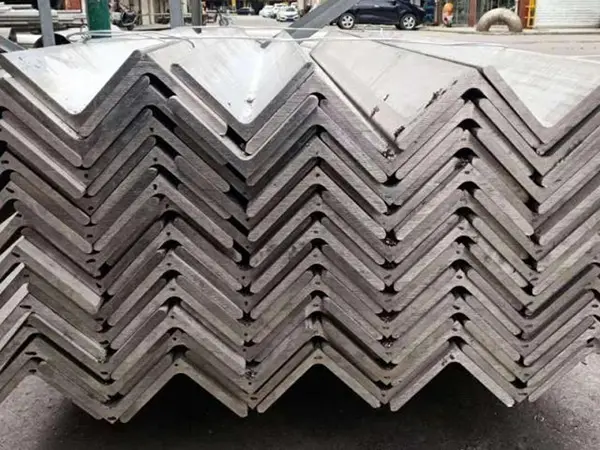
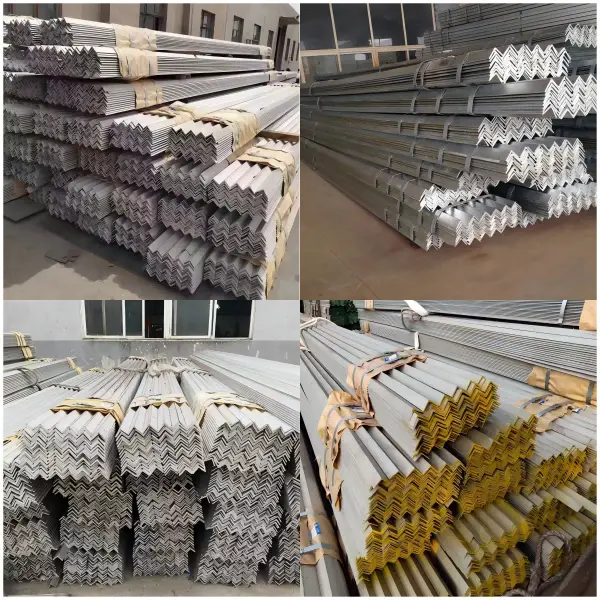
Stainless steel angle steel generally refers to long strips of steel with stainless steel material and two sides at right angles. According to the length of the strip, it is divided into equilateral stainless steel angle steel and unequal stainless steel angle steel.
Equilateral stainless steel angle steel has two sides of equal width. Common stainless steel materials for manufacturing stainless steel angle steel include martensitic stainless steel, ferritic stainless steel, duplex stainless steel, austenitic stainless steel, and precipitation hardening stainless steel.
Stainless steel angle steel is widely used in various building structures and engineering structures, from civil beams, warehouse shelves, and equipment rack bases to industrial bridges, transmission towers, lifting and transportation machinery, military ships, industrial furnaces, reaction towers, and container racks. It can be composed of various load-bearing components according to different structural needs and used as connectors between components.
Compared with angle steels of other materials (such as angle irons), stainless steel angle steel is unparalleled in material performance. Although the cost is high, it is essential for specific industrial and structural applications. It is a simple cross-section steel material, mainly used for metal components and factory frames, requiring good weldability, plastic deformation performance, and certain mechanical strength.
Specifications of Stainless Steel Angle Bar
| Standard |
JIS, AISI, ASTM, GB, DIN, EN |
| Property |
Stainless Steel Equal Angle |
| Specifications |
20# ~ 100# (20×20 to 100×100) |
| Length |
3m - 6m or customized requirement |
| Application |
Structure Steel |
| Manufacturing Process |
Hot Rolled |
| Surface Treatment |
Pickled, Sandblasting, Polished |
| Main Grades |
201, 301, 302, 303, 304, 321, 316, 316L, 309, 310, 431, 430 |
| HS Code |
72224000 |
| Packing |
Standard Export Sea-worthy Packing |
SS 304 / 304L Chemical & Mechanical Properties
| Grade |
C (max) |
Mn (max) |
Si (max) |
P (max) |
S (max) |
Cr |
Ni |
| SS 304 |
0.08 |
2.0 |
0.75 |
0.045 |
0.030 |
18 – 20 |
8 – 11 |
| SS 304L |
0.035 |
2.0 |
1.0 |
0.045 |
0.03 |
18 – 20 |
8 – 13 |
| Density |
Melting Point |
Tensile Strength |
Yield Strength |
Elongation |
| 8.0 g/cm³ |
1400 °C |
515 MPa |
205 MPa |
35% |
Theoretical Weight Calculation
You can calculate the weight of stainless steel angle steels using the following formula:
Weight per meter (kg/m) = (Edge Width + Edge Width - Edge Thickness) × Edge Thickness × 0.00793
Common Size Ranges (mm)
| 25*25*3 |
75*75*6 |
125*125*12 |
32*20*4 |
75*50*8 |
110*70*8 |
| 30*30*4 |
75*75*10 |
140*140*12 |
45*28*4 |
80*50*6 |
125*80*8 |
| 40*40*4 |
80*80*8 |
160*160*14 |
50*32*4 |
90*50*7 |
140*90*10 |
| 50*50*5 |
90*90*10 |
180*180*16 |
63*40*5 |
100*63*8 |
160*100*12 |
| 63*63*6 |
100*100*12 |
200*200*18 |
70*45*6 |
110*70*7 |
200*125*14 |
Frequently Asked Questions
What is the difference between equilateral and unequal stainless steel angle bars?
Equilateral angle bars have two sides of equal width forming a 90-degree angle, while unequal angle bars have sides of different widths. The choice depends on the specific structural load requirements.
Which stainless steel grades are most common for angle bars?
The most common grades are 304 and 316L due to their excellent corrosion resistance and mechanical properties. 201 is also used for less demanding environments to save costs.
What are the typical surface treatments for stainless steel angles?
Typical treatments include pickling (to remove scales), sandblasting (for a uniform matte finish), and polishing (for decorative or high-hygiene applications).
Is stainless steel angle bar suitable for welding?
Yes, austenitic stainless steels like 304 and 316 have excellent weldability, making them ideal for factory frames and architectural structures.
In what industries are these angle bars mainly used?
They are widely used in construction, bridge building, transmission towers, industrial furnaces, marine engineering, and warehouse racking systems.
How is the quality of stainless steel angle bar ensured?
Quality is maintained by adhering to international standards such as ASTM, AISI, and JIS, ensuring correct chemical composition and mechanical strength through hot-rolling and normalization processes.
 Mei Shen STEEL