Precision-engineered industrial hardware, alloy bars, and marine-grade components.
An Expert Guide to Mechanical Properties, Alloy Classifications, and Industrial Integration
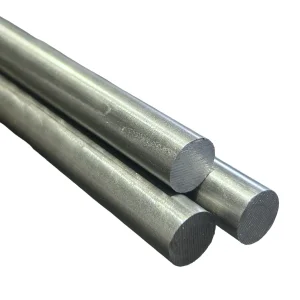
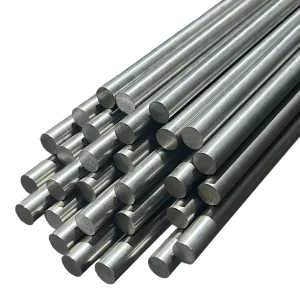
In modern industrial engineering, high-strength stainless steel hexagonal bars represent a cornerstone material choice for applications requiring exceptional load-bearing capability combined with robust resistance to corrosive environments. The geometry of the hexagonal bar (commonly referred to as hex bar) offers unique geometric benefits, providing excellent torque transmission and ease of handling during fastening, machining, and milling. When optimized for high-strength profiles, these bars are utilized heavily in precision CNC machining, oil and gas drilling operations, maritime structures, chemical processing vessels, and aerospace components.
High mechanical strength is achieved by precise alloying adjustments and specialized processing routes, such as cold drawing, strain hardening, or heat treatment procedures depending on the metallurgical class (Austenitic, Duplex, or Martensitic). Selecting the appropriate grade of high-strength hexagonal bar requires deep knowledge of both tensile characteristics and local environmental factors to prevent stress corrosion cracking (SCC) and premature component failure.
The performance of high-strength hex bars depends greatly on their microstructural configuration. The most widely sourced alloys belong to the following categories:
| Steel Grade | Yield Strength Min (MPa) | Tensile Strength Min (MPa) | Elongation (%) | Typical Applications |
|---|---|---|---|---|
| 304 (Cold Drawn) | 310 | 620 | 30% | General fasteners, structural frames, valves |
| 316L (Cold Drawn) | 330 | 650 | 25% | Marine fittings, chemical devices, food processing |
| Duplex 2205 | 450 | 680 | 25% | Chemical process equipment, high-pressure valves |
| 17-4 PH (H900) | 1170 | 1310 | 10% | Aerospace shafts, high-strength bolts, pump shafts |
How Modern Cold Drawing and Thermal Processes Guarantee Mechanical Precision
To produce hexagonal bars that meet rigorous engineering criteria, manufacturers implement precise thermomechanical processing routes. The production path commences with hot-rolled wire rod or round bars. Through a sequence of pickling, drawing, and precision cold drawing, the material acquires its final hexagonal cross-section. Cold drawing reduces the diameter while aligning the grain structure of the steel along the longitudinal axis, increasing yield strength through dislocation density buildup.
Relieves internal casting stresses and prepares the raw alloy matrix for formatting.
Removes surface oxides and scale, establishing a clean substrate for precision processing.
Pulls the steel through a hexagonal tungsten carbide die to shape the corners and boost tensile strength.
100% non-destructive validation to ensure zero internal flaws, cracking, or surface blemishes.
Sourcing high-strength stainless steel hexagonal bars from China offers distinct cost-efficiency, infrastructure scale, and logistical agility advantages. Modern Chinese factories, such as Shanghai Mei Shen Industrial Co., Ltd., have invested in state-of-the-art rolling mills, integrated smelting capabilities, and comprehensive quality assurance laboratories. These capabilities enable the customization of chemical compositions, precise adjustment of sulfur levels for optimal machinability, and strict adherence to strict dimensional tolerances (such as h9, h10, or h11 class fits).
Furthermore, China's proximity to major global logistics networks ensures rapid maritime and rail freight dispatches. With integrated raw material sourcing, factories can bypass third-party supply constraints, ensuring predictable lead times even for large, customized bulk orders. This structural efficiency translates directly into lower per-ton procurement costs for international distributors and engineering procurement firms.
A trusted research, production, and service integration partner since 1999.
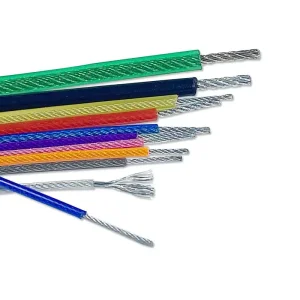
Founded in 1999, Shanghai Mei Shen Industrial Co., Ltd. is a research, production, and service-integrated manufacturer committed to advancing the steel wire rope and structural hardware manufacturing sectors. Our production base in Jiangsu Province manufactures high-grade stainless steel wire ropes, galvanized steel wire ropes, plastic-coated wire ropes, compacted ropes, and specialized rigging systems. With an expansive output footprint, our products support construction machinery, bridge building, port hoisting, coal mining, and water conservancy projects globally.
Utilizing high-tensile materials, advanced heat treatments, and metallurgical control, we ensure our products withstand the most grueling physical environments, matching the strict demands of global B2B buyers looking for high-strength steel bars, rods, and wire ropes.
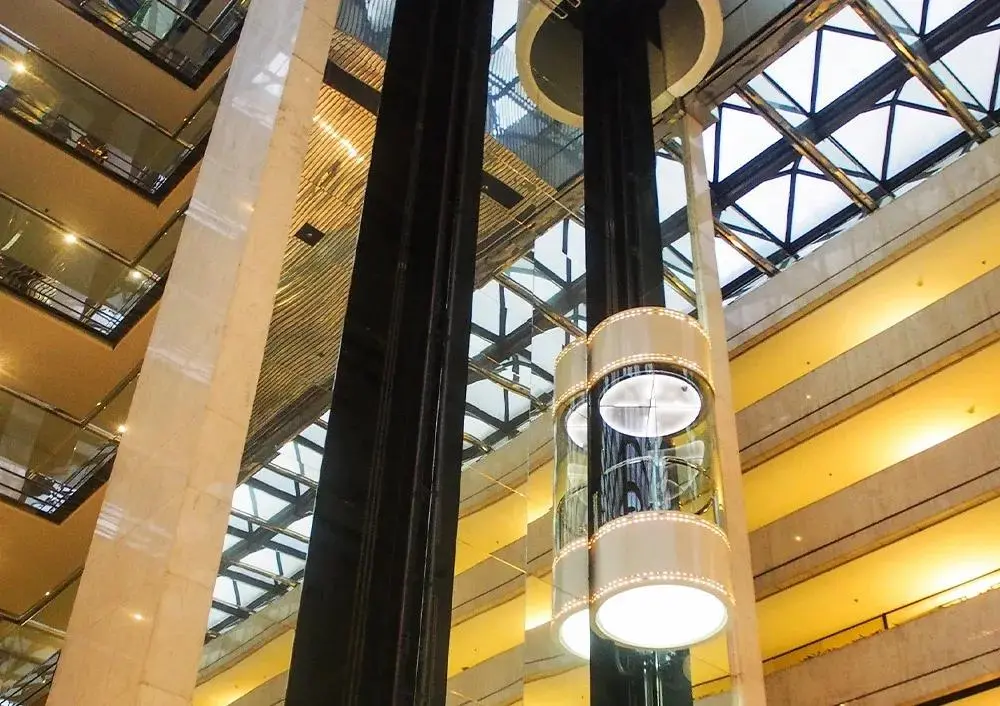
The standard construction of elevator wire rope includes seale and warinaton, in 8 or 9 strand construction, including filled wire. It is optimized for reducing bending stress, abrasion resistance and increased stability against radial pressures.
Explore Solutions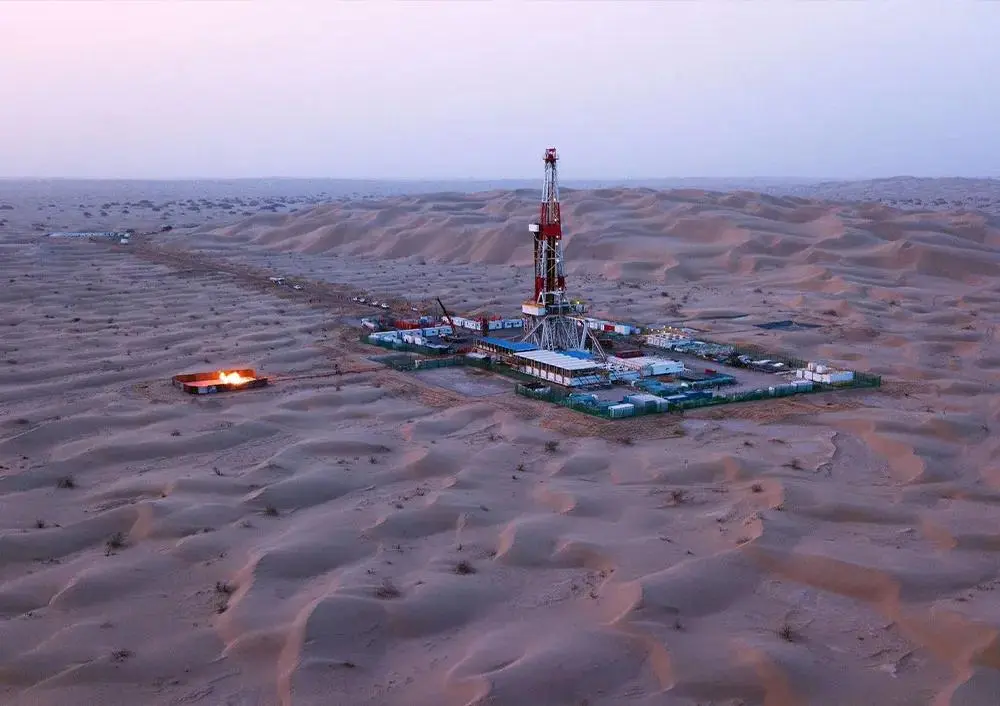
Oil drilling wire rope is a special purpose wire rope, with the continuous progress of wire rope design technology and the continuous development of drilling rig manufacturing technology, rope core material steel core has become a set trend, EIP level application has been widespread, special drilling wire rope is increasingly valued by production enterprises.
Explore Solutions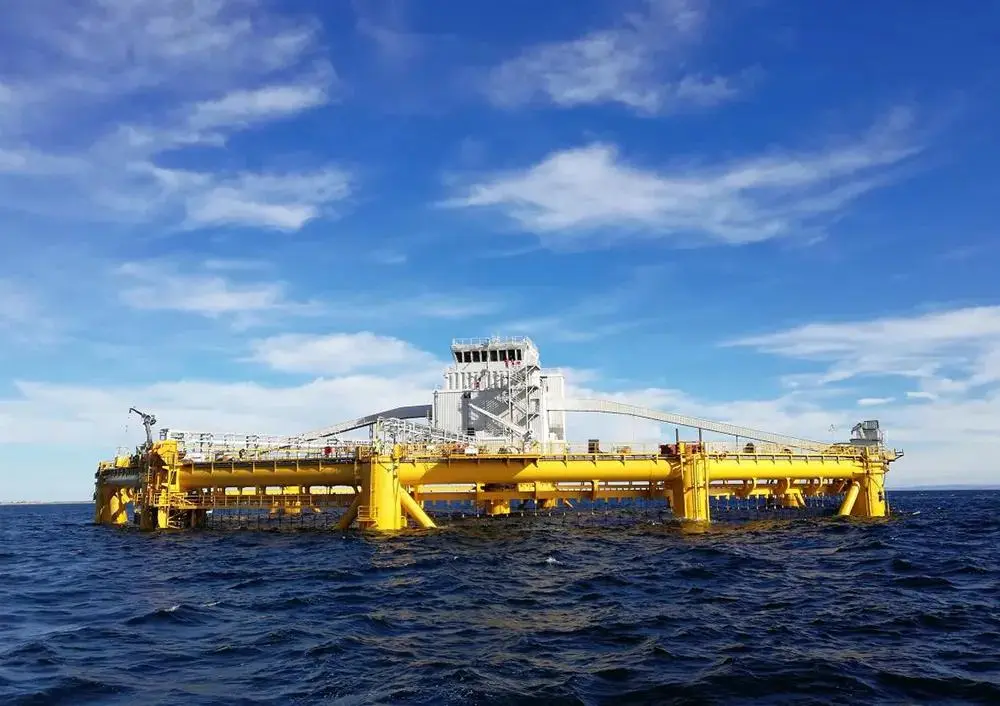
There are single strand wire rope, 6 strand wire rope and multi-strand wire rope for Marine engineering, but the multi-strand wire rope is not used much, and the fully sealed wire rope has also obtained a certain development and application in recent years.
Explore Solutions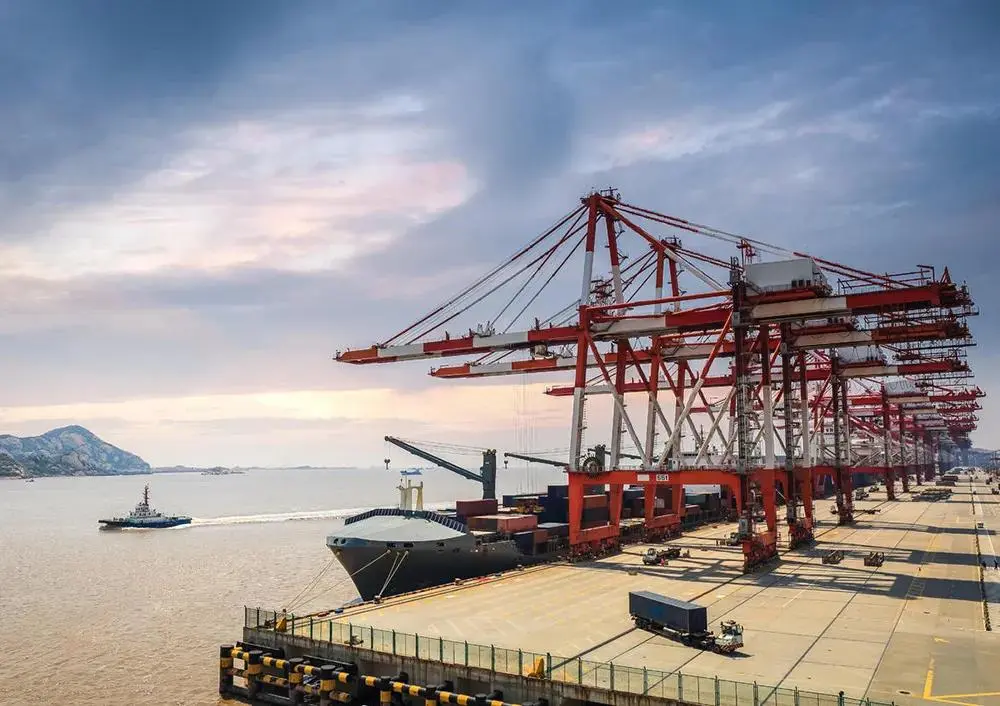
It is widely used in a series of working mechanisms such as the lifting mechanism of various types of cranes, the amplitude changing mechanism of wheeled cranes and the opening and closing mechanism of various clamps, and can also be used for various sling equipment.
Explore SolutionsBridging the Gap Between Chinese Manufacturing Power and Regional Regulatory Demands
For global engineering operations, procurement compliance is non-negotiable. Sourcing high-strength stainless steel hexagonal bars requires compliance with regional regulatory standards such as ASTM A276/A479 in North America, EN 10088-3 in Europe, and JIS G4303 in Japan. These standards dictate not only the mechanical dimensions and tolerances of the hex bars but also specify the allowable limits for trace chemical elements, grain size homogeneity, and passivation treatments.
Leading manufacturers prioritize compliance via the provision of complete EN 10204 Type 3.1 Material Test Reports (MTRs). This documentation records precise chemical composition checks, tensile properties validation, and hardness test results. Furthermore, compliance with specific localized directives such as NACE MR0175/ISO 15156 is vital for components destined for highly corrosive sour oil environments, where sulfide stress cracking poses a severe threat.
The industrial demand for high-strength stainless steel hex bars is experiencing a significant shift due to several structural drivers:
"MEI SHEN INDUSTRIAL" Advanced Material Applications
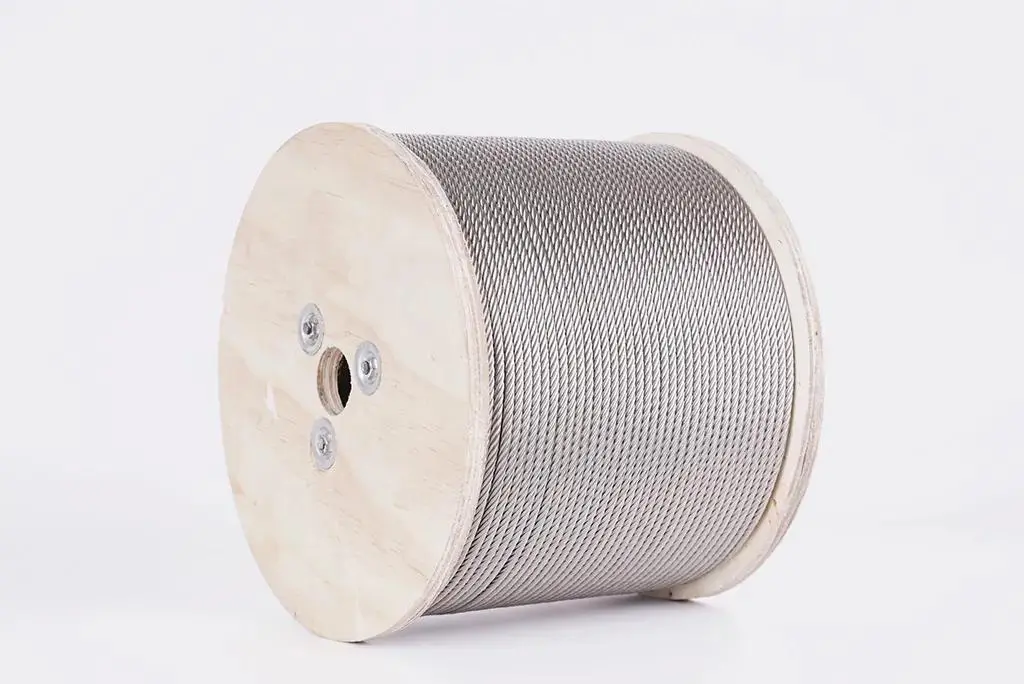
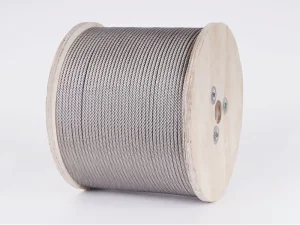
Stainless steel wire rope has high temperature resistance, good fatigue resistance, excellent breaking tension, long service life, durability and many other characteristics, widely used in coal, petroleum, metallurgy, chemical industry, ships, Bridges, electric power, rubber, military, tourism, water conservancy, light industry and other industries. Products can be produced according to ISO, BS, DIN, JIS, ABS, LR and other international and foreign advanced standards.
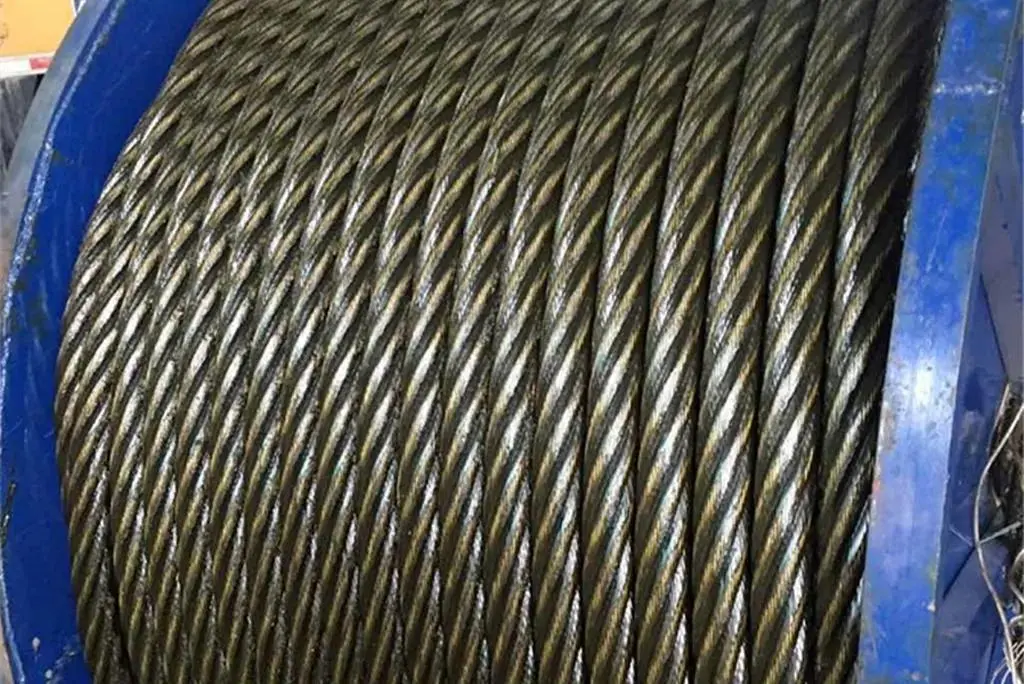
Specially engineered hoisting and support systems crafted to handle high load stresses and aggressive environmental elements common in oil field exploration and extraction processes.
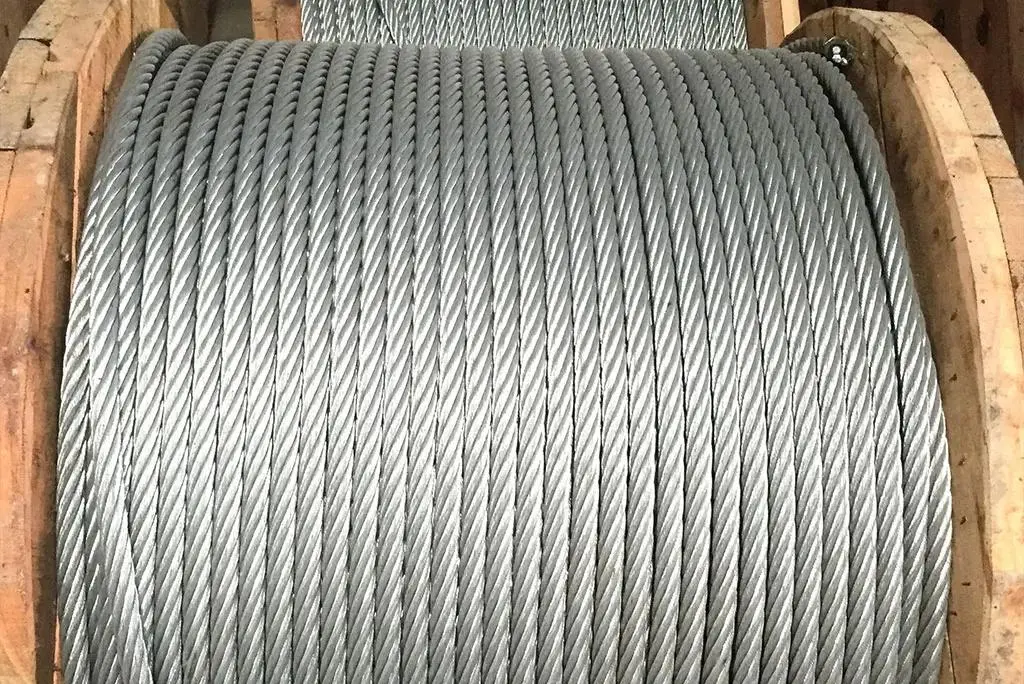
Engineered for safety and long fatigue life, our hoisting ropes provide stable support for industrial cranes, bridge building, and maritime operations worldwide.
Key Procurement & Metallurgical Questions Answered by Industry Experts
Latest updates and insights from Shanghai Mei Shen Industrial
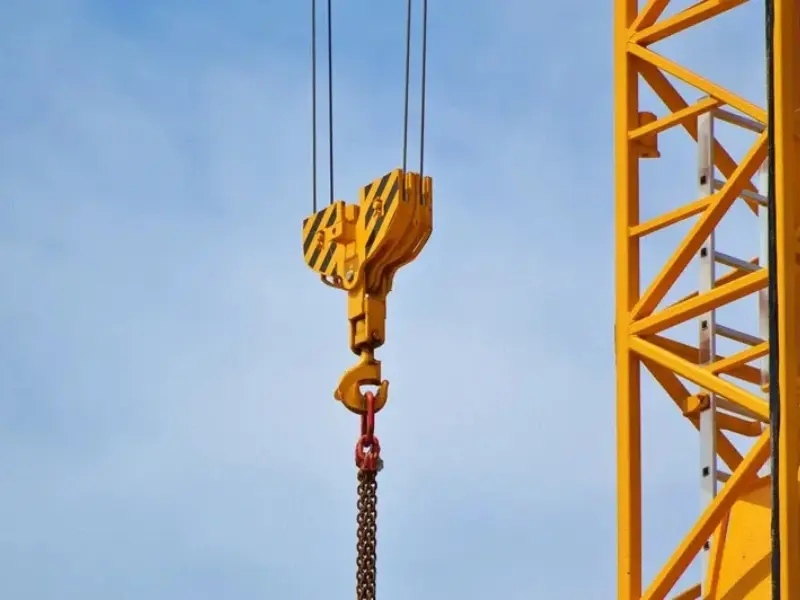
Join the September Shopping Festival and enjoy great discounts! We have been focusing on exporting steel wire ropes for more than 16 years, and the quality...
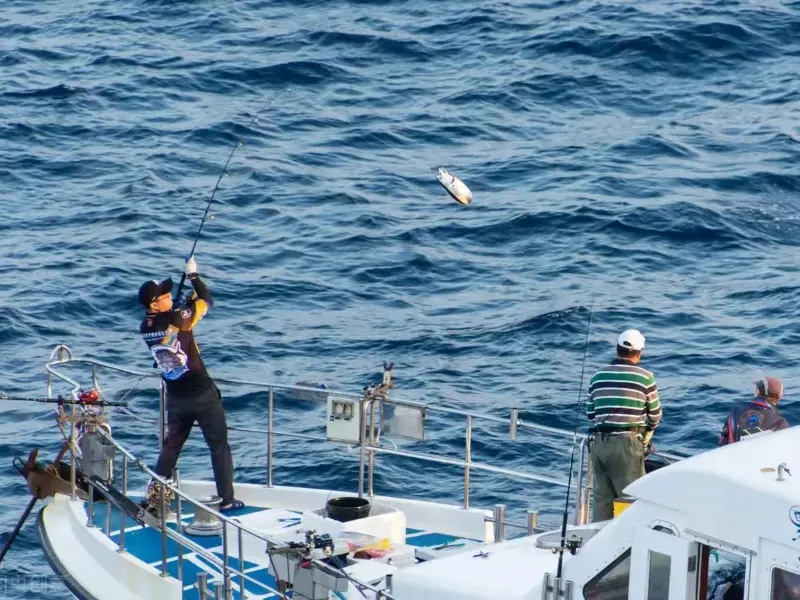
Exploring advanced applications of non-magnetic stainless steel wire rope architectures in modern electronic marine measurement devices.
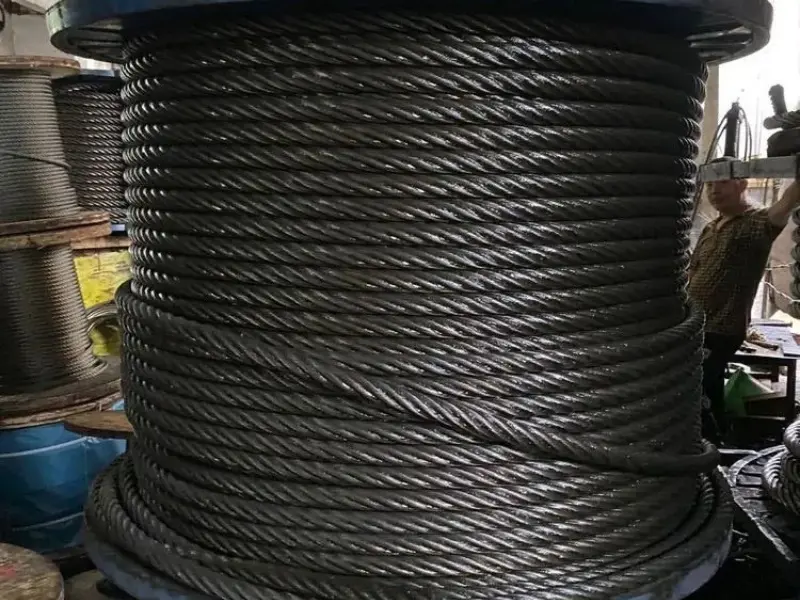
An overview of how multi-strand, compacted, and specialty wire ropes are classified according to global engineering applications.
Premium steel wire cables, high-pressure flanges, and industrial hardware
 Mei Shen STEEL