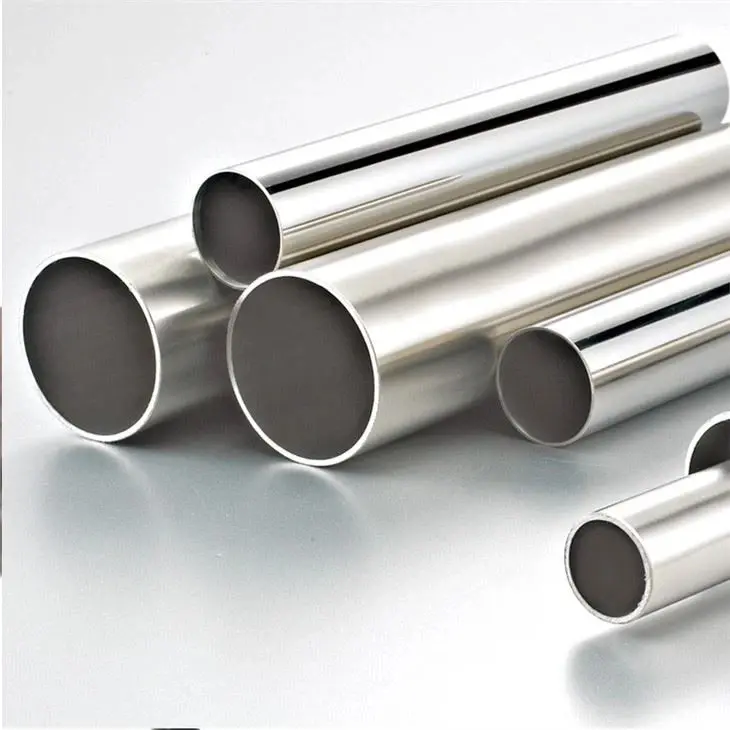
China Stainless steel pipes for building structures: stable support, rust-proof and earthquake-resistant Manufacturer, Supplier

Provides excellent strength and shock resistance

Specifications : ASTM A/ASME SA213
Grade: 304,310, 310S, 314, 316
Techniques: Hot-rolled, cold-drawn
Length : 5.8M,6M,12M & Required Length

Product Description

Stainless Steel 304 Pipe Overview
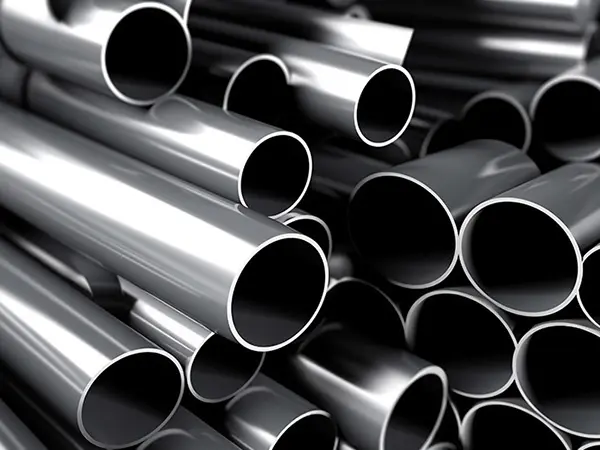
Stainless Steel 304 Pipe is a metallic pipe made up of an austenitic stainless steel that has 18% chromium and 8% nickel in the composition. The specifications for the pipes range as A312 and A358 in the ASTM specifications. The dimensions range according to the ASTM, ASME and API standards. There are welded and SS 304 Pipe as well as electric fusion welded pipes.
The scope of application of stainless steel pipes is used as pipelines for conveying fluids. They are widely used in industrial pipelines such as petroleum, chemical, medical, food, light industry, mechanical instruments, and mechanical structural components. Stainless steel pipes are made of acid-resistant and heat-resistant steel billets, which are heated, perforated, sized, hot rolled, and cut.
Note: 304 stainless steel pipe is the full name of SUS304 stainless steel pipe.
Stainless Steel 304 Pipe Material Industrial Pipe Production
Key Features
  • Non-magnetic properties
  • Excellent aesthetic appeal with high-end value for money
  • Suitable for all in-door and outdoor uses (including coastal areas)
  • Excellent formability, bendability and weldability
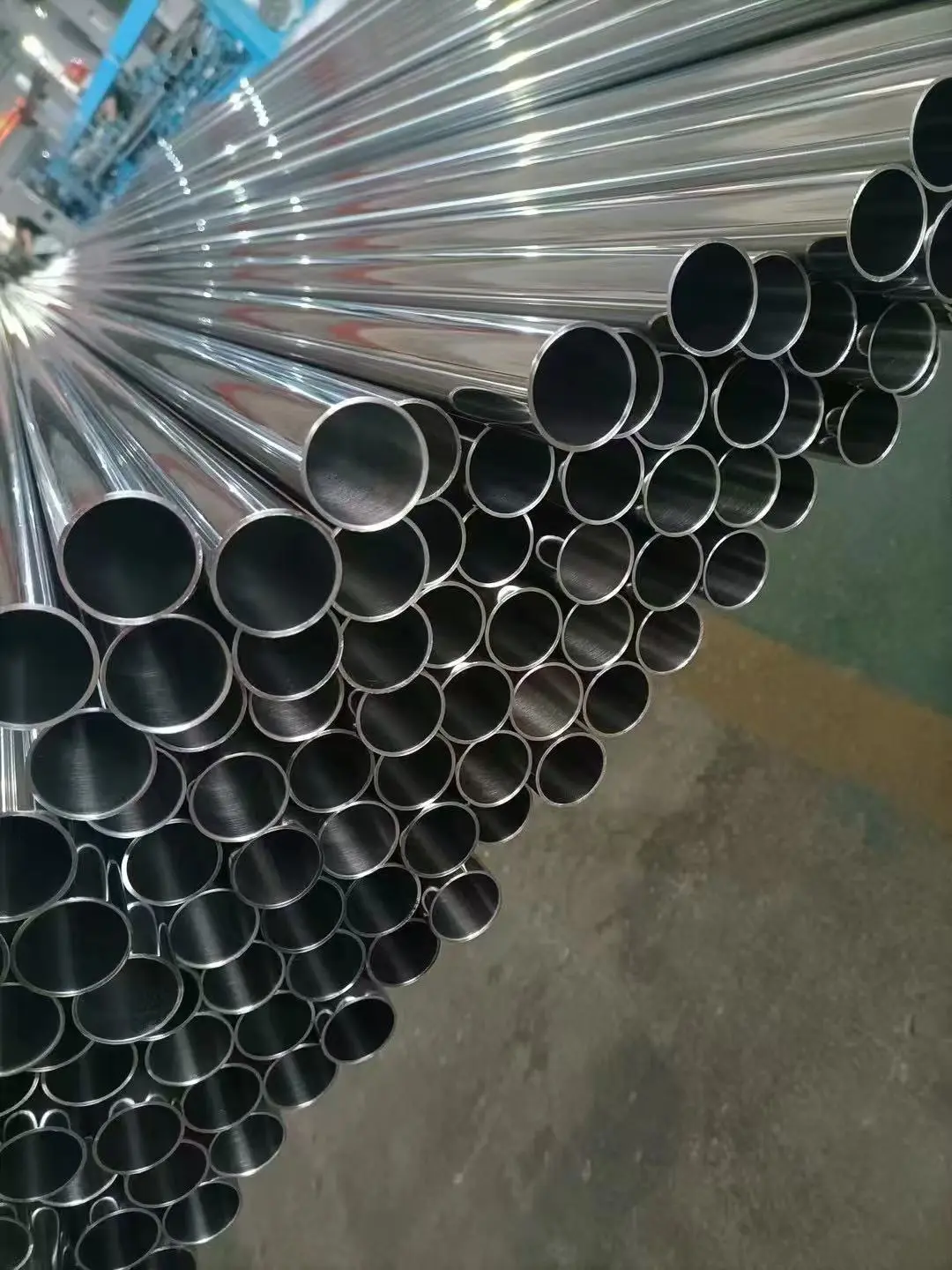
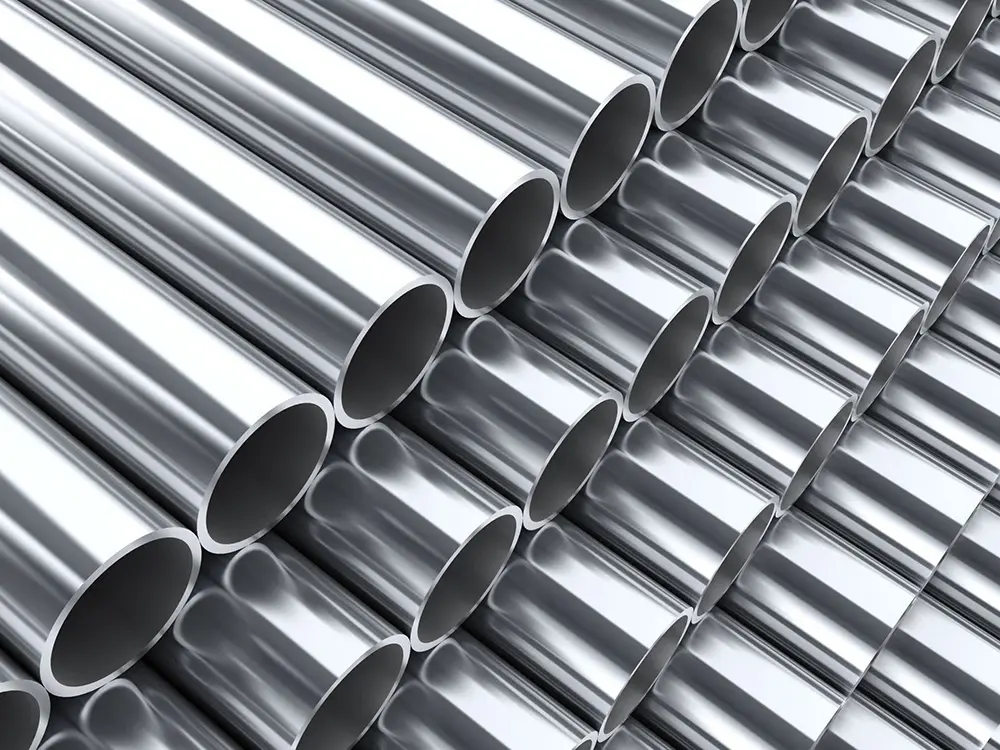
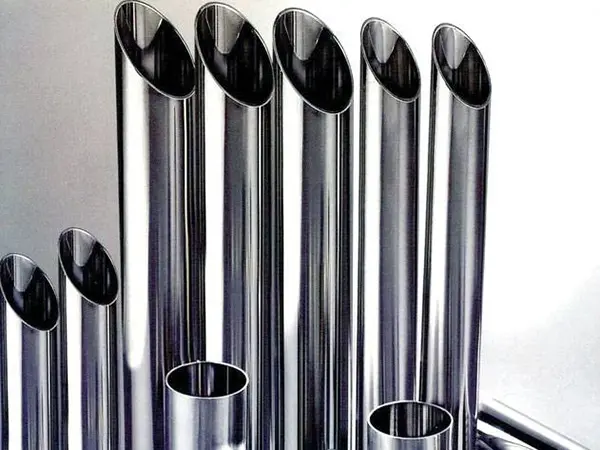
  • Available in bright, satin/euro and hairline surface finish
  • Special profiles & sizes can be produced on request
  • Packaging: All tubes available in 6.1m (20ft) and are packed as per international standards
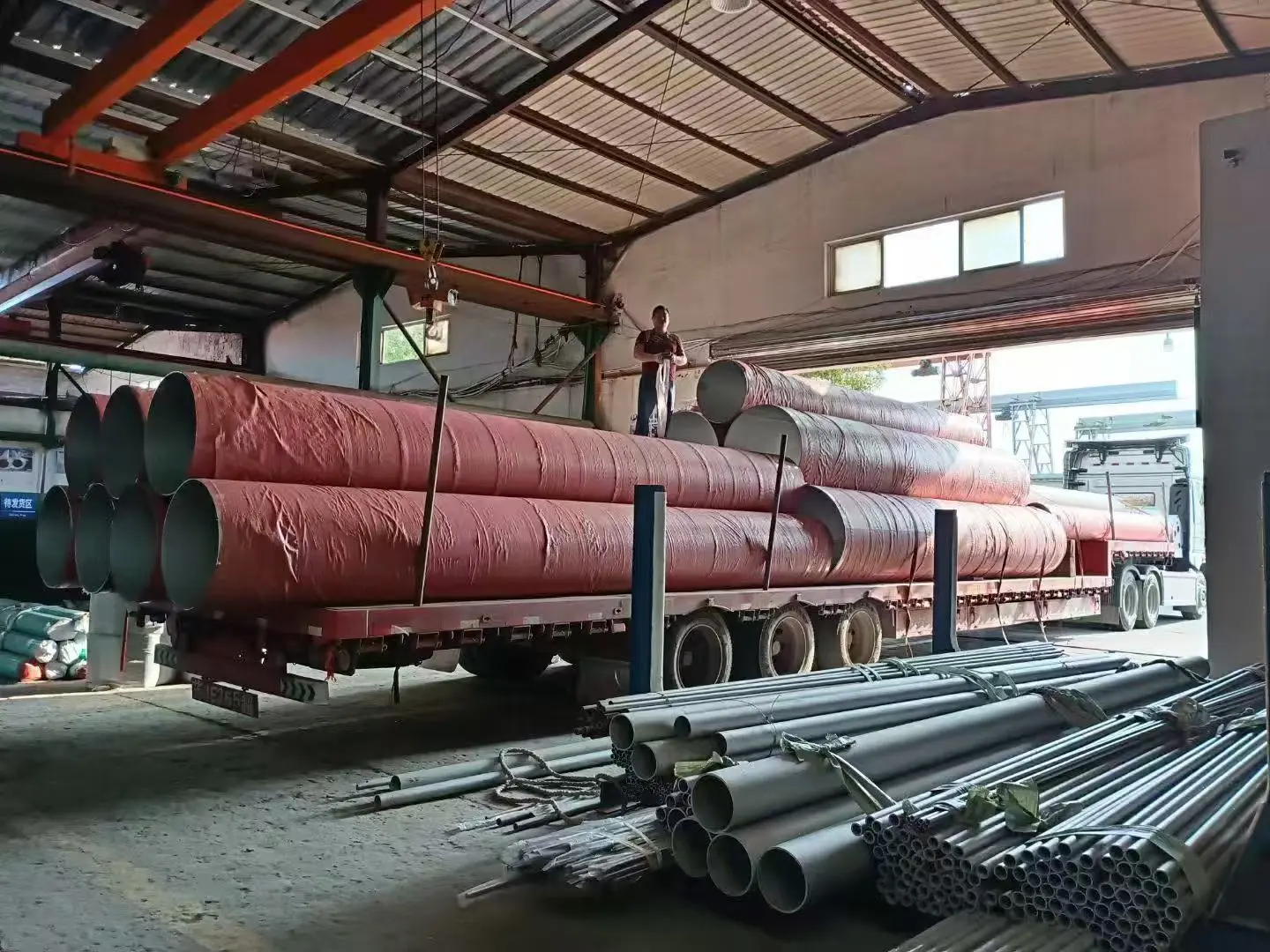
Stainless Steel Pipe Surface Finish Stainless Steel Pipe Storage
Maintenance Guide

1. Cleaning

Daily cleaning: Use a soft cloth or sponge to dip in a neutral detergent (such as dishwashing liquid), gently wipe the surface of the stainless steel pipe, then rinse with clean water and wipe dry with a dry cloth.
Removing stains: For stains that are difficult to remove, you can use a stainless steel special cleaner or diluted vinegar water to wipe, then rinse with clean water and wipe dry with a dry cloth.
Avoid using irritating chemicals: Do not use irritating chemicals such as bleach, strong acids and alkalis to clean stainless steel pipes to avoid damaging their surfaces.

2. Protection

Avoid scratches: When using and carrying stainless steel pipes, avoid contact with hard objects to avoid scratching the surface.
Prevent corrosion: Avoid long-term contact of stainless steel pipes with corrosive substances such as acids, alkalis, and salts. If accidentally contacted, rinse with clean water immediately.
Regular inspection: Regularly check whether there are scratches, corrosion, etc. on the surface of the stainless steel pipe. If found, it should be handled in time.

3. Maintenance & Precautions

Keep dry: After use, the surface of the stainless steel pipe should be wiped dry in time to prevent oxidation and corrosion.
Regular maintenance: A thin layer of protective oil or wax can be applied to the surface of the stainless steel pipe regularly to increase its gloss and corrosion resistance.
The maintenance methods of different types of stainless steel pipes may be different. For food-grade or medical stainless steel pipes, maintenance should be carried out in strict accordance with relevant standards.
Mechanical Behaviour of API 5L Seamless Pipes
Grades Yield Strength Tensile Strength Yield to Tensile Elongation
min. (KSI) min. (KSI) Ratio (max) %
X42 42 60 0.93 23
X52 52 66 0.93 21
X60 60 75 0.93 23
X65 65 77 0.93 18
X70 70 82 0.93 17
Frequently Asked Questions (FAQ)
Q1: What is the composition of 304 Stainless Steel Pipe?
A: 304 stainless steel is an austenitic grade containing approximately 18% chromium and 8% nickel, providing excellent corrosion resistance and durability.
Q2: Can 304 stainless steel pipes be used for outdoor applications?
A: Yes, it is suitable for both indoor and outdoor uses, including coastal areas, due to its high resistance to oxidation and environmental corrosion.
Q3: Is 304 stainless steel pipe magnetic?
A: No, 304 stainless steel is typically non-magnetic in its annealed condition because of its austenitic microstructure.
Q4: How should I clean the surface of the pipe to maintain its shine?
A: Use a soft cloth with neutral detergent for daily cleaning. For stubborn stains, specialized stainless steel cleaners can be used. Always wipe dry to prevent water spots.
Q5: What are the main industrial applications for these pipes?
A: They are widely used in petroleum, chemical, medical, food processing, light industry, and mechanical structural components.
Q6: What standards do these pipes comply with?
A: They are manufactured according to international standards such as ASTM A312, A358, and ASME or API dimensions.

Related Products