📋 Overview
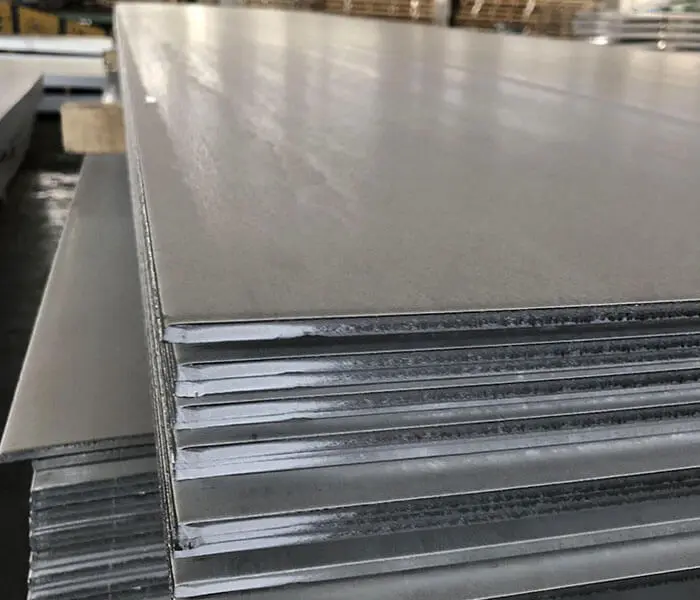
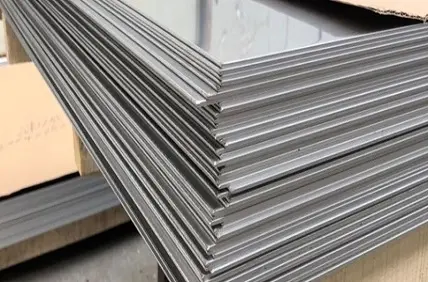
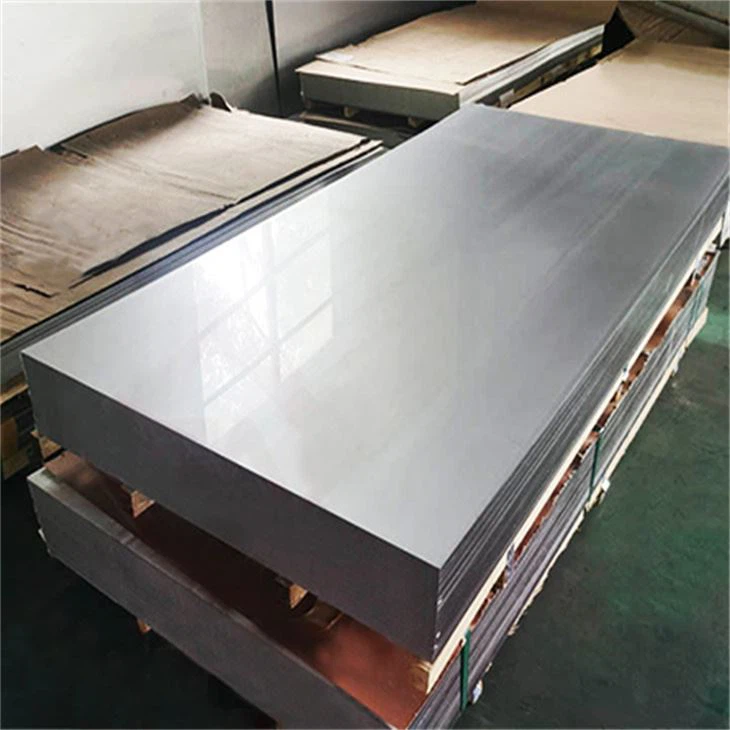
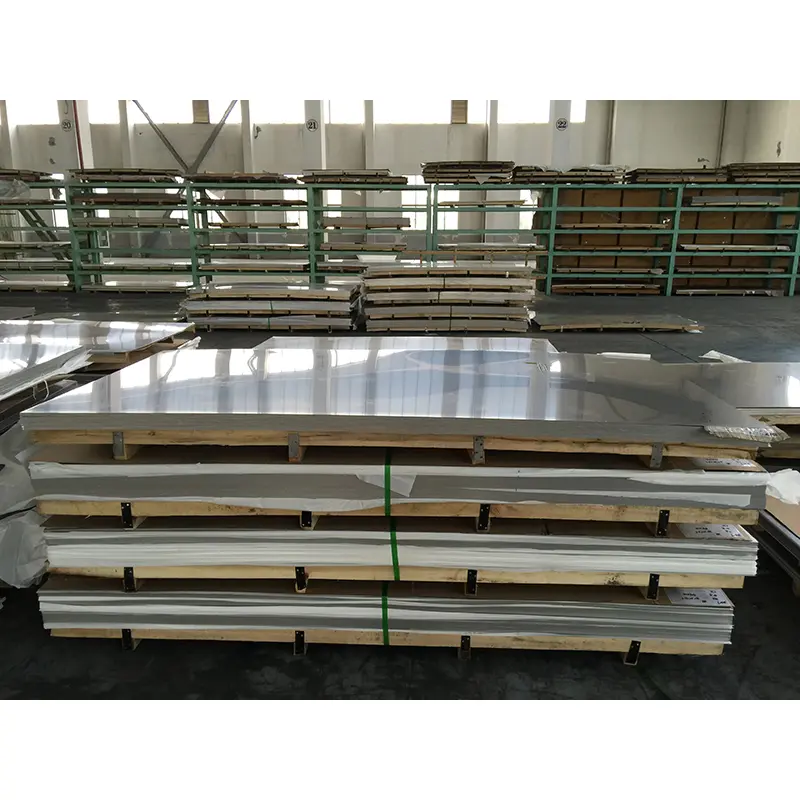
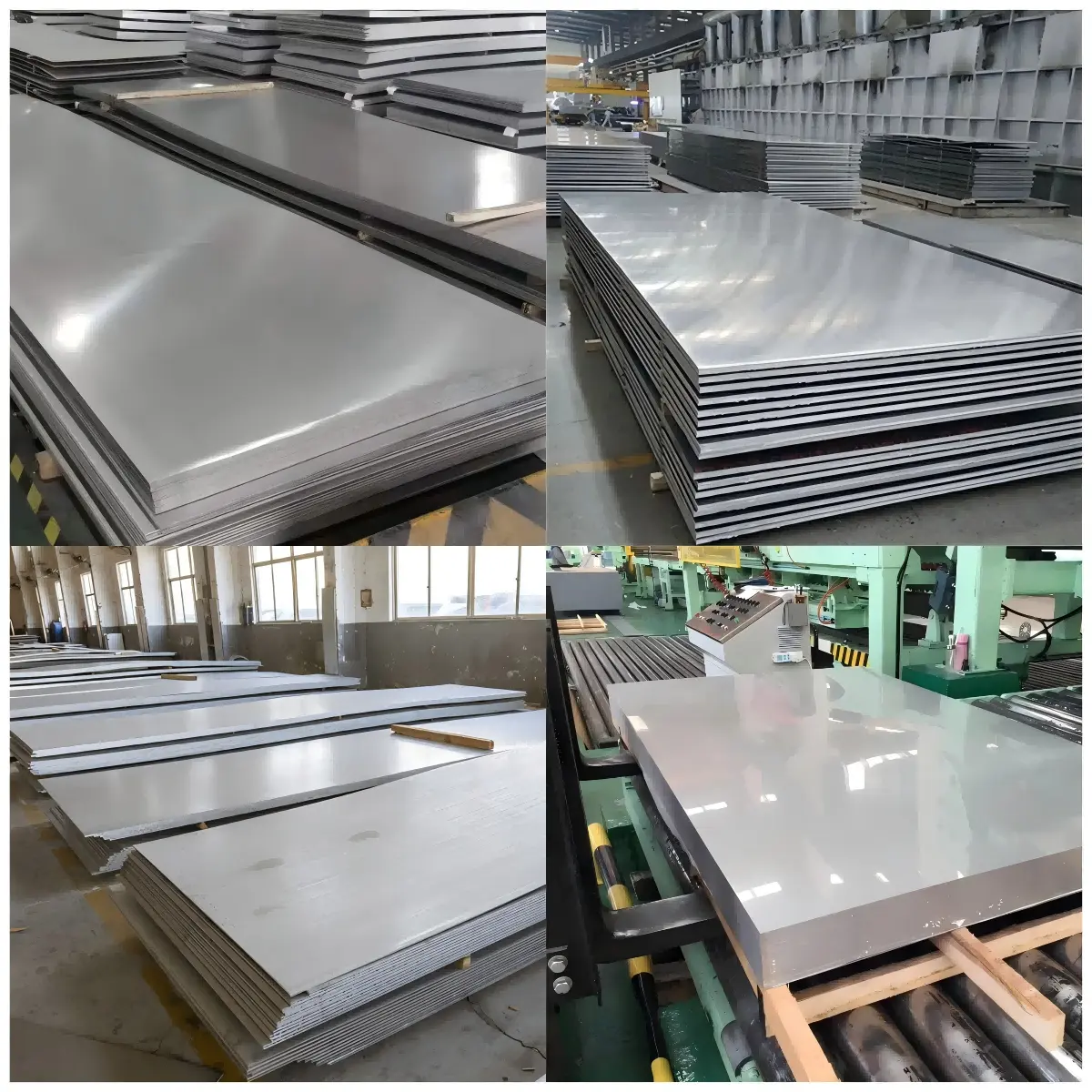
Hastelloy C276 ASTM Standard B575 Plate is a nickel-molybdenum-chromium superalloy with an enhancement of tungsten made to have superb deterioration resistance in a wide variety of extreme atmospheres. Although there are a number of variations of the nickel alloy, Hastelloy C276 Plate is without a doubt the most commonly used.
Hastelloy C276 Plate shows superb deterioration resistance in a range of extreme settings and also media. Like lots of other nickel alloys, it is pliable, easily developed and also welded.
ASTM B575 UNS N10276 Hastelloy C276 Sheet is frequently utilized in several industries, consisting of petrochemical, chemical oil and gas, power generation, pharmaceutical, pulp and paper manufacturing and drainage treatment. Hastelloy C276 Coil has superior resistance to matching, tension deterioration breaking as well as oxidizing environments.
ASME SB 575 UNS N10276 material likewise displays resistance to deterioration by salt water in crevice conditions, which can generate hostile attack in other commonly utilized materials. UNS N10276 Plate is usually remedy heat-treated at 2050 Degree F and fast quenched.
ASTM B575 UNS N10276 Sheet as well as Hastelloy Alloy C276 Plate are words utilized to explain the category of metal depending upon its thickness. While sheet steel is less than 3 mm thick, plate steel is certainly thicker than 3 mm.
✨ Hastelloy C276 Main Characteristics
Excellent corrosion resistance in reducing environments.
Exceptional resistance to strong solutions of oxidizing salts, such as ferric and cupric chlorides.
High nickel and molybdenum contents providing good corrosion resistance in reducing environments.
Low carbon content which minimizes grain-boundary carbide precipitation during welding to maintain resistance to corrosion in heat-affected zones of welded joints.
Resistance to localized corrosion such as pitting and stress-corrosion cracking.
One of few materials to withstand the corrosive effects of wet chlorine gas, hypochlorite and chlorine dioxide.
❓ Frequently Asked Questions

Q1: What is the difference between Hastelloy C276 sheet and plate?
The primary difference is the thickness (gauge). Sheet steel is categorized as having a thickness of less than 3 mm, while plate steel is thicker than 3 mm.
Q2: What makes Hastelloy C276 highly resistant to corrosion?
It is a nickel-molybdenum-chromium superalloy with added tungsten, designed specifically for excellent resistance to a wide range of aggressive media and extreme atmospheres.
Q3: Can Hastelloy C276 be used in wet chlorine environments?
Yes, it is one of the few materials that can withstand the corrosive effects of wet chlorine gas, hypochlorite, and chlorine dioxide.
Q4: What are the common industries for ASTM B575 UNS N10276?
It is widely used in petrochemical, chemical processing, oil and gas, power generation, pharmaceuticals, pulp and paper manufacturing, and wastewater treatment.
Q5: How does low carbon content benefit Hastelloy C276 during welding?
Low carbon content minimizes grain-boundary carbide precipitation during the welding process, which helps maintain the material's corrosion resistance in the heat-affected zones.
Q6: What is the typical heat treatment for UNS N10276 plates?
UNS N10276 plates are usually solution heat-treated at approximately 2050°F (1121°C) followed by a rapid quench to ensure optimal properties.
 Mei Shen STEEL