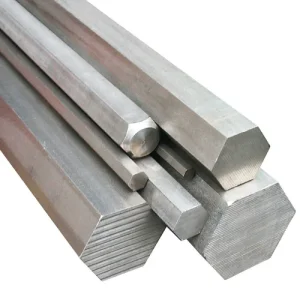
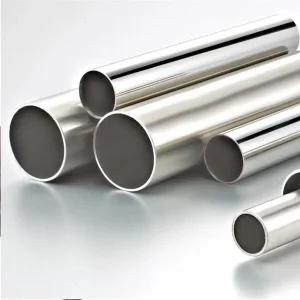
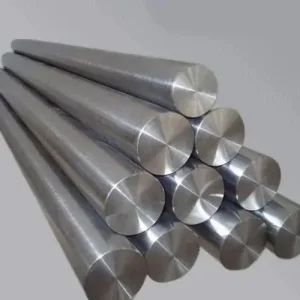
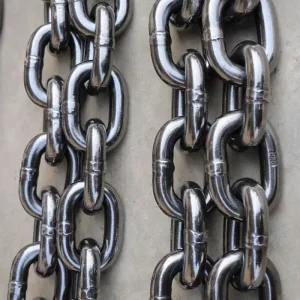
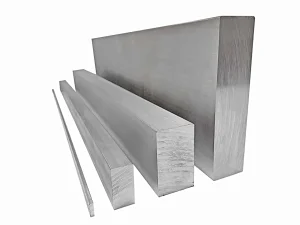
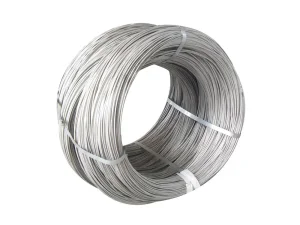
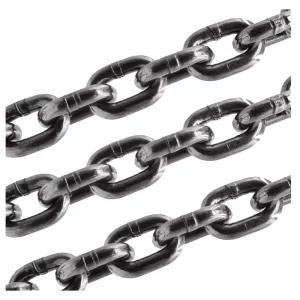
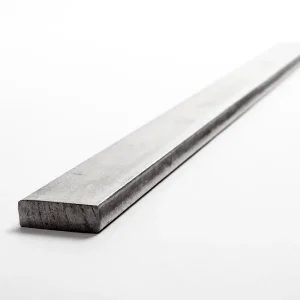
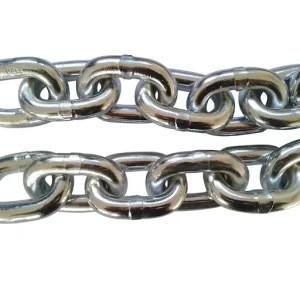
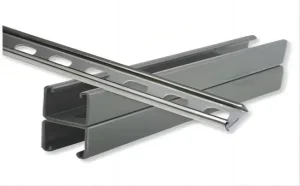
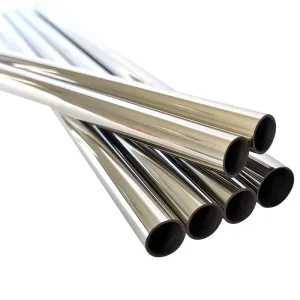
Explore our heavy-duty industrial catalog, spanning precision-drawn wires, flat bars, high-temperature plates, and robust rigging solutions.
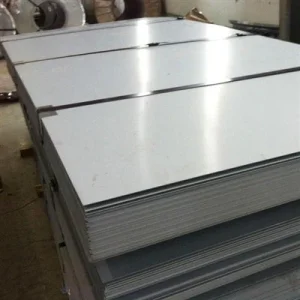
In modern heavy engineering and electronics manufacturing, the demand for high-strength, precise, and fatigue-resistant metal components is scaling exponentially. Among these structural materials, Hard Stainless Steel Belts (often referred to as full-hard precision stainless steel strips or bands) stand out. Characterized by high tensile strength, precise flatness tolerances, and excellent spring-back properties, these belts are the backbones of continuous conveyor systems, high-stress springs, and micro-electronic shielding.
As an elite China Hard Stainless Steel Belt Supplier, we deploy state-of-the-art cold-rolling technology alongside rigorous metallurgical quality control processes to ensure that each batch meets international ASTM, EN, and JIS standards. By optimizing the cold-work hardening coefficient, our belts demonstrate optimal ductility and toughness even under extreme mechanical workloads.
Delivering next-generation alloy and wire products that empower major sectors globally.
The global commercial demand for hard stainless steel belts is undergoing rapid changes. Driven by the automotive transition to Electric Vehicles (EVs), the demand for high-hardness precision steel strips for battery connector tabs and safety valves has surged by 22% year-over-year. Concurrently, the food processing, chemical processing, and solar electronics sectors require high-corrosion, medical-grade full-hard belts. China's industrial manufacturing ecosystem provides an exceptional advantage in sourcing raw ores, stabilizing production energy inputs, and scaling high-precision cold-rolling mills. This enables us to maintain an uninterrupted supply chain for Tier-1 engineering firms worldwide.
A multi-disciplinary research, production, and service manufacturer founded in 1999.
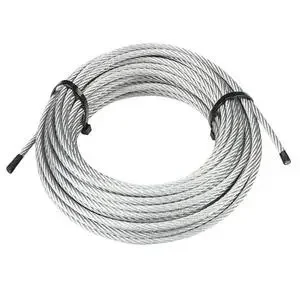
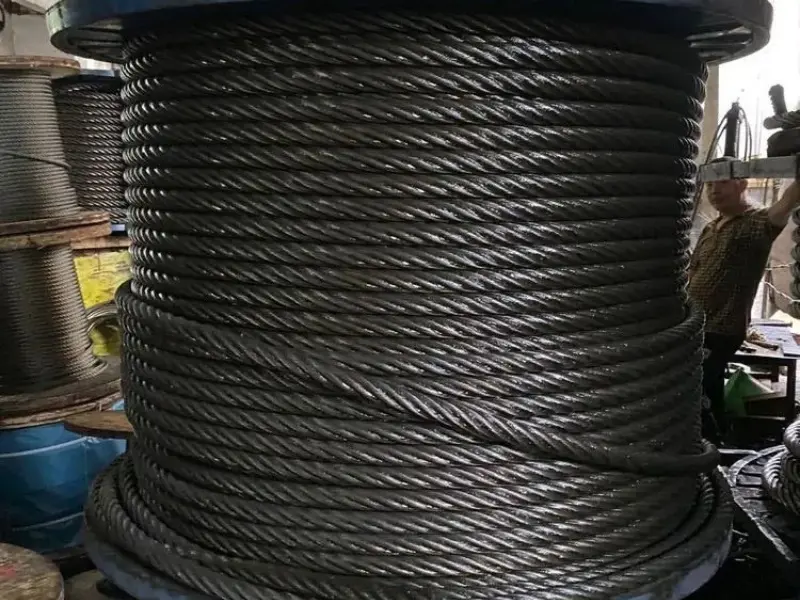
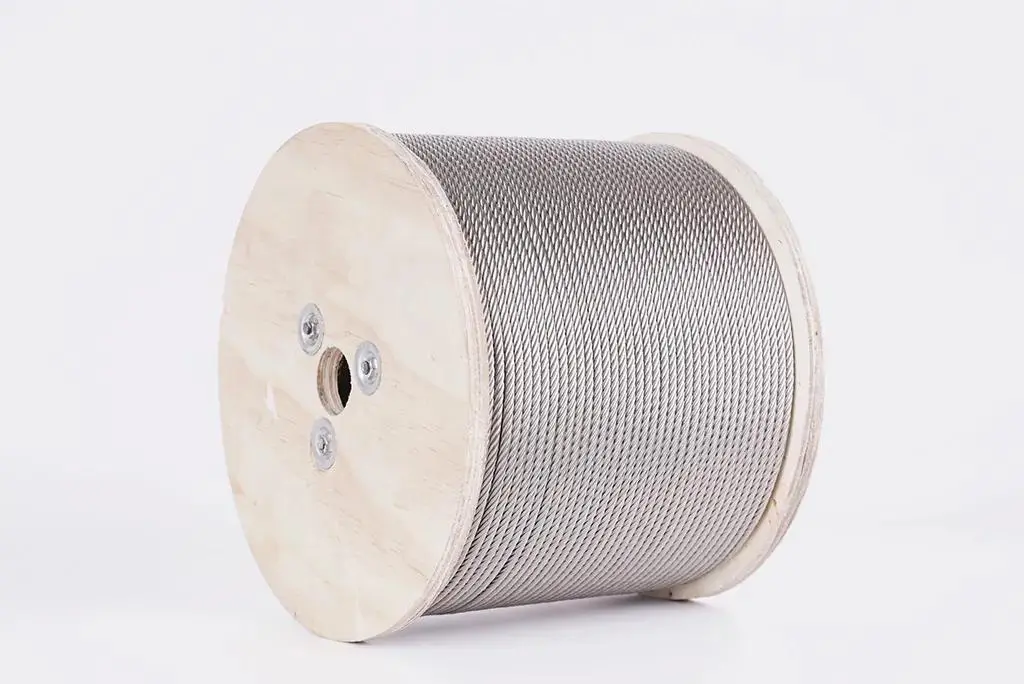
Established in 1999, Shanghai Mei Shen Industrial Co., Ltd. has grown into a world-class integrated research, production, and service industrial powerhouse. Our primary commitment centers on steel wire manufacturing research, development, and metallurgical rigging. Headquartered with production plants strategically located in Jiangsu Province, we deliver an annual output of stainless steel wire rope, various specifications of smooth steel wire rope, galvanized steel wire rope, plastic-coated steel wire rope, and compact wire ropes.
Our facility represents the largest and most complete steel wire rope and hardware rigging production base in China. The products are widely utilized in heavy industries including construction machinery, bridge building, ocean engineering, port lifting, coal mining, and water conservancy projects. The same metallurgical expertise used to craft these heavy-duty items is applied to our precision-engineered Hard Stainless Steel Belts.
Explore Structural SolutionsIntegrating advanced metal forming and raw material treatment technologies.
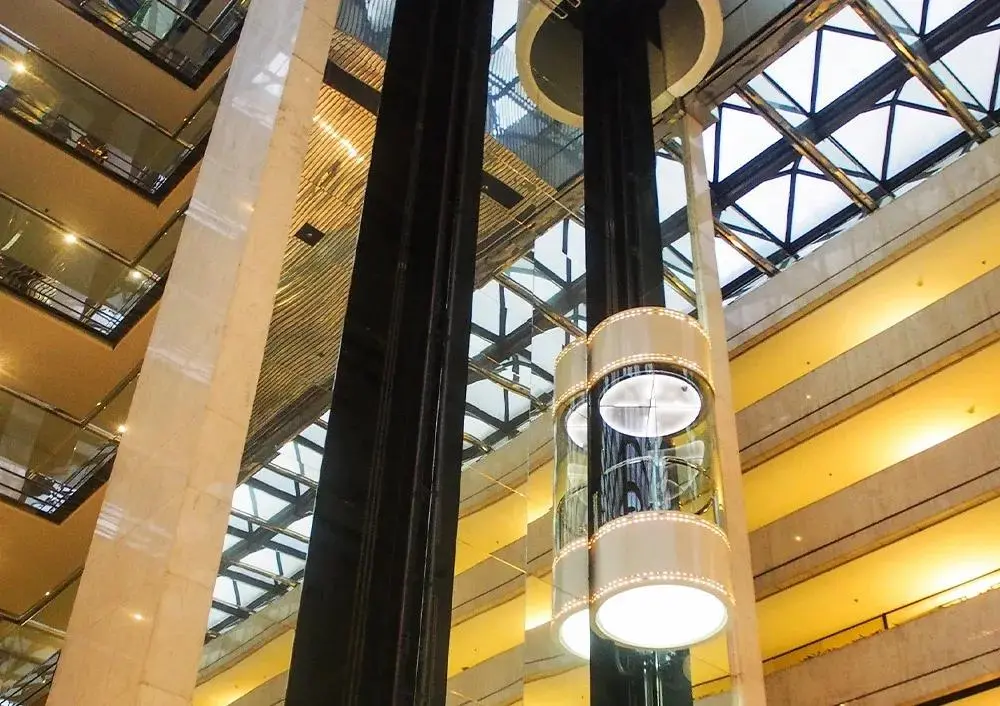
The standard construction includes seale and warinaton, in 8 or 9 strand construction. It is optimized for reducing bending stress and increasing stability against radial pressures.
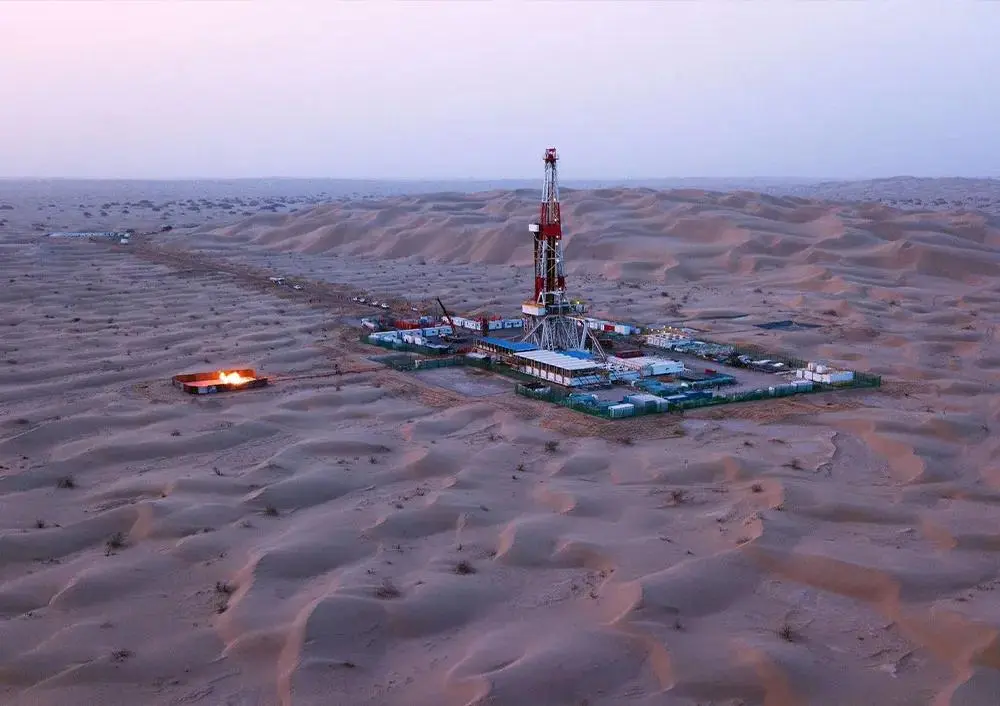
Special purpose steel core wire rope, designed for continuous rig manufacturing technology. Crucial for heavy-duty industrial extraction applications.
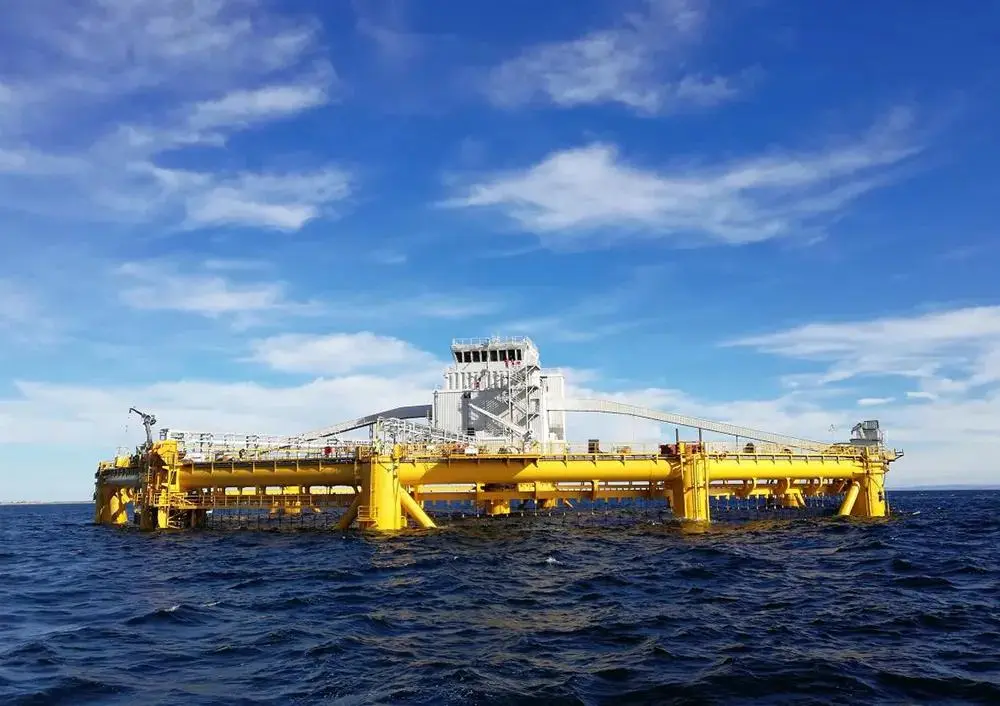
Includes single strand, 6 strand, and multi-strand ropes. Fully sealed wire ropes are utilized to withstand high salinity corrosion and maritime loads.
How precise cold-working processes yield high tensile properties, perfect flatness, and chemical reliability.
The production of hard steel belts begins with premium hot-rolled coils, typically utilizing grades like SUS301, SUS304, SUS316, or martensitic 420/440C. SUS301 is highly favored for hard belts due to its high work-hardening rate, which allows it to reach tensile strengths exceeding 1500 N/mm² through precision cold rolling.
By applying successive deformation passes in high-precision Sendzimir mills, the austenitic structure undergoes transformation into a martensitic phase. This work-hardening process elevates the hardness from the annealed state (~180 HV) to full-hard, extra-hard, or spring-hard tempers (ranging from 370 HV up to 600+ HV).
To ensure optimal tracking and prevent belt deviation in continuous conveyor systems, the belts undergo tension leveling. This process eliminates residual internal stresses, achieving near-perfect flatness tolerances. Edges are deburred, rounded, or custom-shaped to prevent stress concentrations.
The table below demonstrates the relationship between stainless steel grades, hardness ranges, and typical application scenarios:
| Alloy Grade | Hardness Range (HV) | Tensile Strength (MPa) | Primary Mechanical Advantage | Typical Application |
|---|---|---|---|---|
| AISI 301 | 370 - 550 | 1100 - 1700 | High elastic limit, fatigue resistance | Springs, high-speed belt conveyors |
| AISI 304 | 250 - 420 | 850 - 1300 | Excellent chemical stability & weldability | Food processing belts, medical packaging |
| AISI 316 | 220 - 380 | 800 - 1200 | Superior marine & acid corrosion resistance | Chemical drying, marine environmental belt |
| AISI 420 / 440C | 450 - 620 | 1400 - 1900 | Extreme hardness, wear resistance | Industrial cutting blades, mechanical parts |
Analyzing the performance of hard stainless steel belts across heavy industry, renewable energy, and marine settings.
Food processing environments require high cleanliness and continuous thermal cycling. Our hard-rolled steel belts feature smooth surfaces that prevent bacterial accumulation. They resist buckling under temperatures up to 350°C, ensuring consistent performance in commercial tunnel ovens.
In solar cell panel fabrication and silicon wafer transportation, steel belts must run smoothly without producing micro-vibrations or static charges. The high flatness and low thermal expansion coefficient of our full-hard 301 belts ensure precise wafer alignment.
Hardened stainless steel belts are widely used to manufacture automotive clock springs, safety belt retractors, and transmission dampers. The high fatigue life of our materials ensures they can withstand millions of cycles without plastic deformation.
Stay informed about steel procurement trends, metallurgical technologies, and corporate milestones.
Technical guidance and material sourcing tips for procurement managers and engineering professionals.
The hardness of a stainless steel belt is determined by its cold reduction rate during cold rolling. As the steel strip passes through the rollers without pre-heating, its crystal structure deforms and work-hardens. For example, AISI 301 is cold-rolled to reduce its thickness, which increases its hardness from a base of ~150 HV to over 370 HV (Full Hard) or even 500+ HV (Extra Hard). This increases the material's yield strength, making it ideal for spring-like applications.
Camber (lateral curvature) and wavy edges are common defects caused by uneven stress distribution during rolling. To prevent these issues, we pass the strips through a tension leveler. This process stretches the material beyond its yield point, normalizing internal stresses and ensuring flatness. We also perform precision slitting with high-grade carbide rotary blades to maintain straightness.
While both are austenitic stainless steels, AISI 301 contains lower chromium and nickel content, which allows it to work-harden much faster and achieve higher tensile strengths (up to 1800 MPa). AISI 304 work-hardens more slowly and is preferred for applications requiring moderate hardness and high corrosion resistance. This makes it a popular choice for food-grade conveyor belts.
Yes, but welding hard-rolled stainless steel requires specialized techniques. Welding introduces heat, which can anneal the heat-affected zone (HAZ) and reduce its hardness and tensile strength. To minimize this effect, we recommend using precision laser welding or plasma arc welding (PAW) with rapid cooling setups. This helps preserve the mechanical properties of the belt joint.
To prevent rust and mechanical damage during maritime transit, all steel belts are coated with rust-preventative oil, wrapped in moisture-proof paper, and packed in heavy-duty wooden boxes. We also place silica gel desiccant packs inside the packaging to protect the coils from humidity fluctuations.
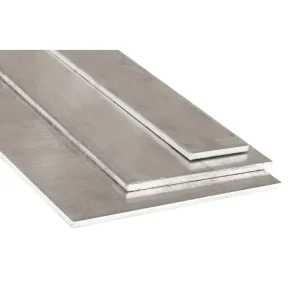
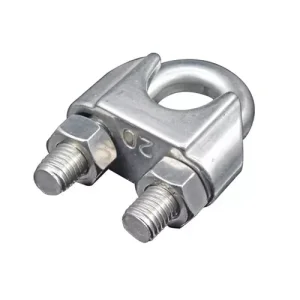
Explore our selection of heavy-duty link chains, precision flat bars, flanges, and specialized solar panel structural mounts.
 Mei Shen STEEL