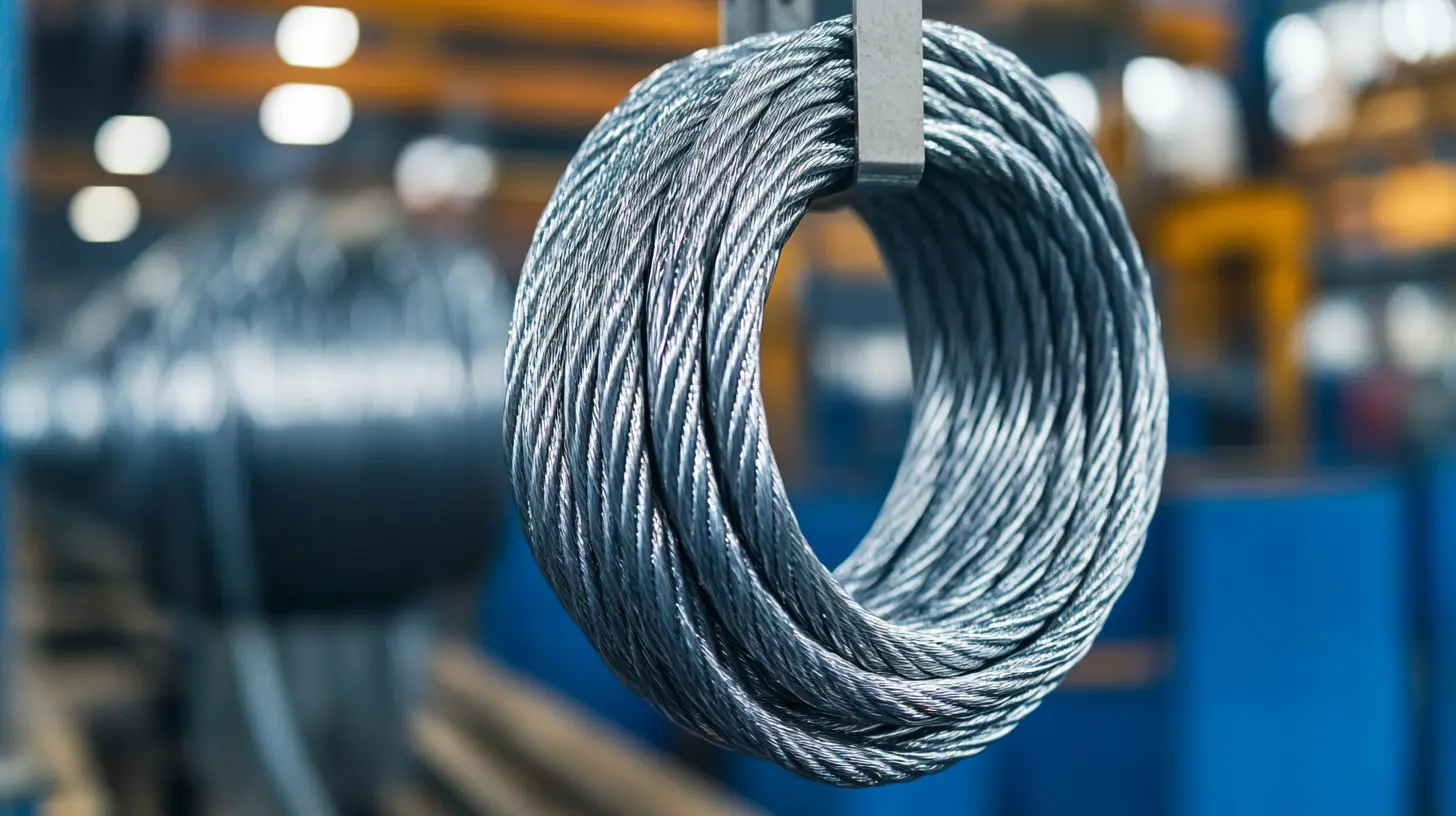
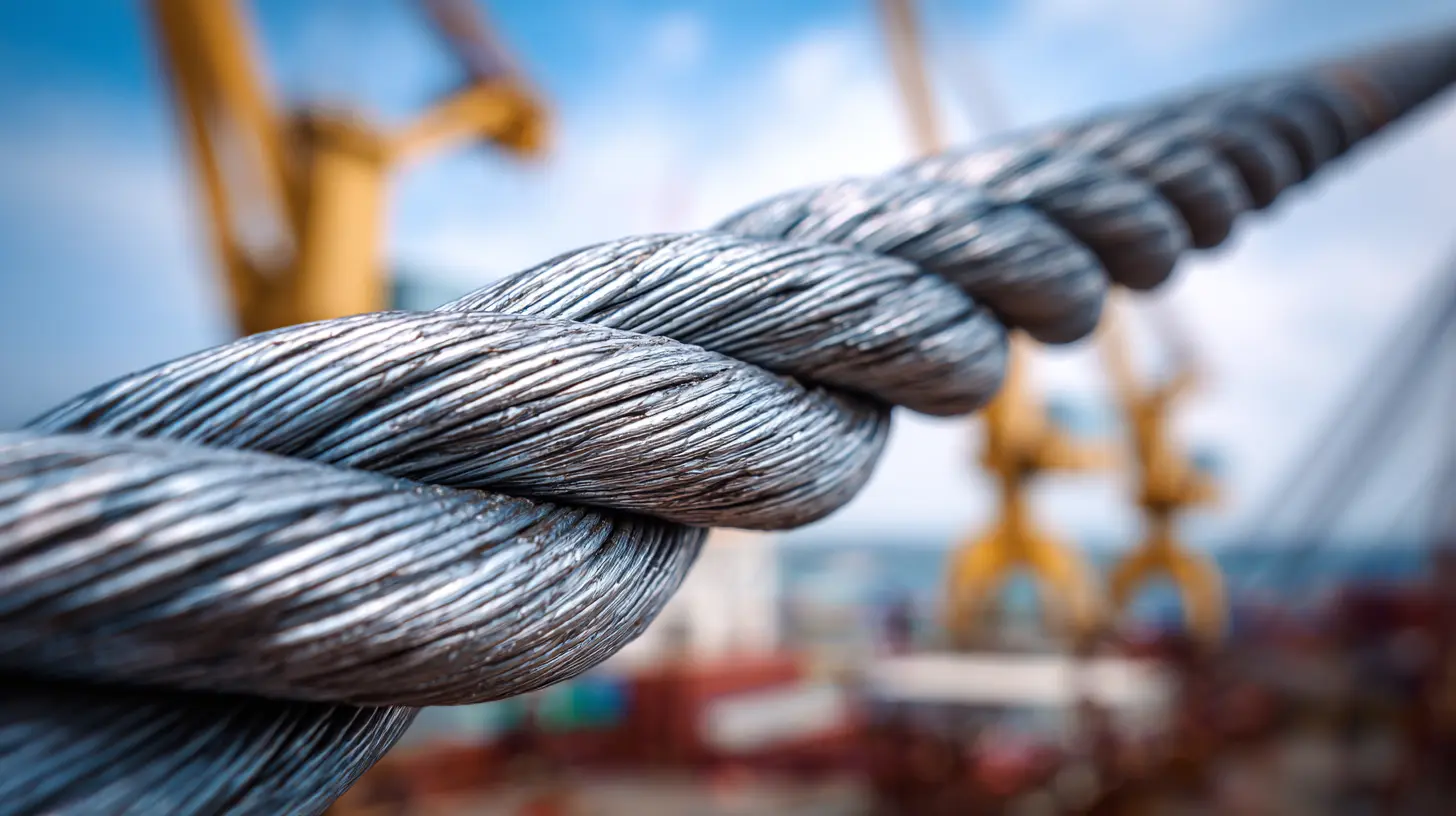
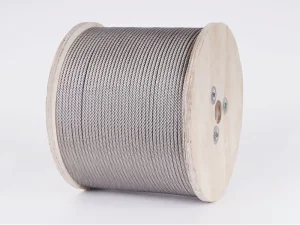
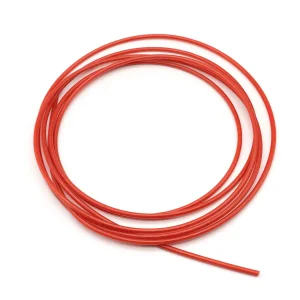
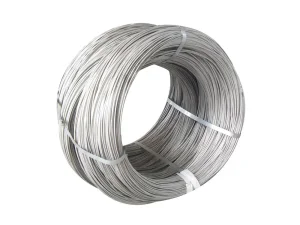
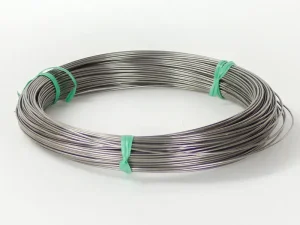
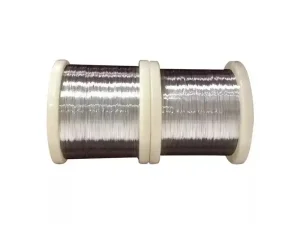
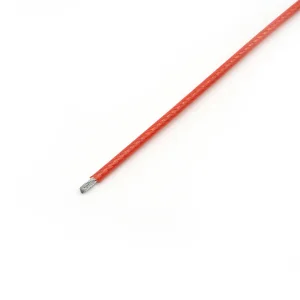
Total number of strands: 6 Total number of wires: 271 Core type: IWRC Outer wires number: 108 Outer strands number: 6 Lay type: regular lay Lay direction: right hand lay On request options: Ungalvanized, left hand, greasing level.
Lifting Wire rope is a vital load-bearing and traction component in lifting machinery. Its main function is to lift, pull, tighten and carry heavy objects.
Drawn galvanized standard wire rope (non-rotation resistant with round wires) is used in many applications as a cargo runner, hoisting, luffing, mooring, towing, and anchoring. It is also suitable for the fabrication of steel wire rope slings for lifting operations. The independent wire rope core (IWRC) provides superior strength and stability compared to fibre cores while maintaining excellent flexibility.
Common Applications
Engineering Crane
Port Crane
Industrial Crane
Offshore Crane
Winch / Drilling Platform
Scrapping Standards for Wire Ropes
A wire rope must be scrapped if it meets any of these conditions:
Broken wires in one twist exceed 10% of total wires.
Outer wire wear exceeds 40% of original diameter.
Hazardous goods lifting ropes reach 50% of general scrapping limits.
Rope diameter is reduced by more than 7%.
Entire strand break, fiber core exposure, or cage-like deformation.
Key Points for Replacement
1. Use original design models, diameters, and nominal tensile strength. Lower specifications will affect service life.
2. Only use certified wire ropes. If diameter varies slightly, total breaking force must match original design (tolerance < 1.5mm).
3. Prevent knots during winding; knotted ropes are prone to premature failure. Never connect two ropes in a single lifting mechanism.
6×37+IWRC Specification Table
Nominal Diameter (mm)
Approx. Weight (Kg/m)
Breaking Load 1770N/mm² (KN)
Breaking Load 1960N/mm² (KN)
4.5
0.077
11.4
12.7
5
0.095
14.1
15.6
6
0.13
20.3
22.5
8
0.24
36.1
40
10
0.38
56.4
62.5
12
0.54
81.2
89.9
14
0.74
110
122
16
0.97
144
159
20
1.52
225
249
24
2.19
325
360
30
3.44
510
565
Frequently Asked Questions
What is the advantage of an IWRC core?
The Independent Wire Rope Core (IWRC) provides significantly more strength and stability compared to fibre cores, making it ideal for heavy-duty lifting and offshore applications.
How often should crane wire ropes be inspected?
Wire ropes should be inspected regularly. If you notice broken wires exceeding 10% of the total or diameter reduction over 7%, the rope must be scrapped immediately for safety.
Can I replace a wire rope with a different diameter?
It is recommended to use the original design diameter. If a different one is used, the total breaking force must match the original design, and the diameter difference should not exceed 1mm-1.5mm depending on the original size.
What causes rapid wear in wire ropes?
Common causes include using wire ropes thicker than the drum design (causing friction), knots in the rope, and improper winding during installation.
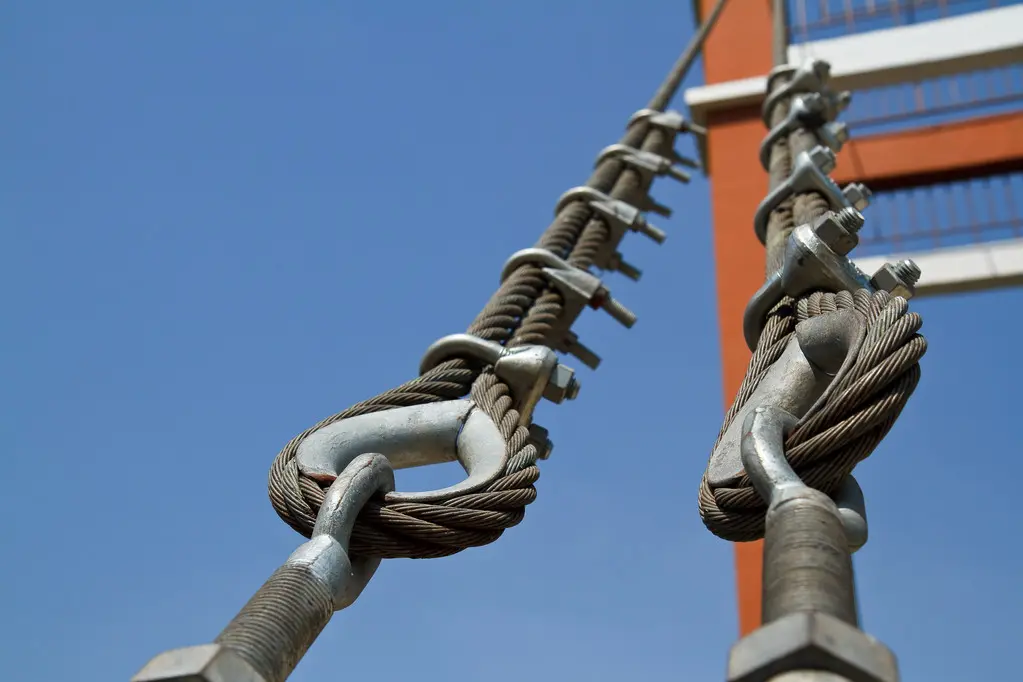
Is this wire rope suitable for suspension bridges?
Yes, wire rope products with high tensile strength and durability are suitable for a range of heavy lifting and structural applications, including supporting suspension bridges.
Why is galvanized wire rope preferred?
Galvanization provides a protective layer against corrosion, which is essential for ropes used in port cranes, offshore platforms, and other outdoor or marine environments.
 Mei Shen STEEL