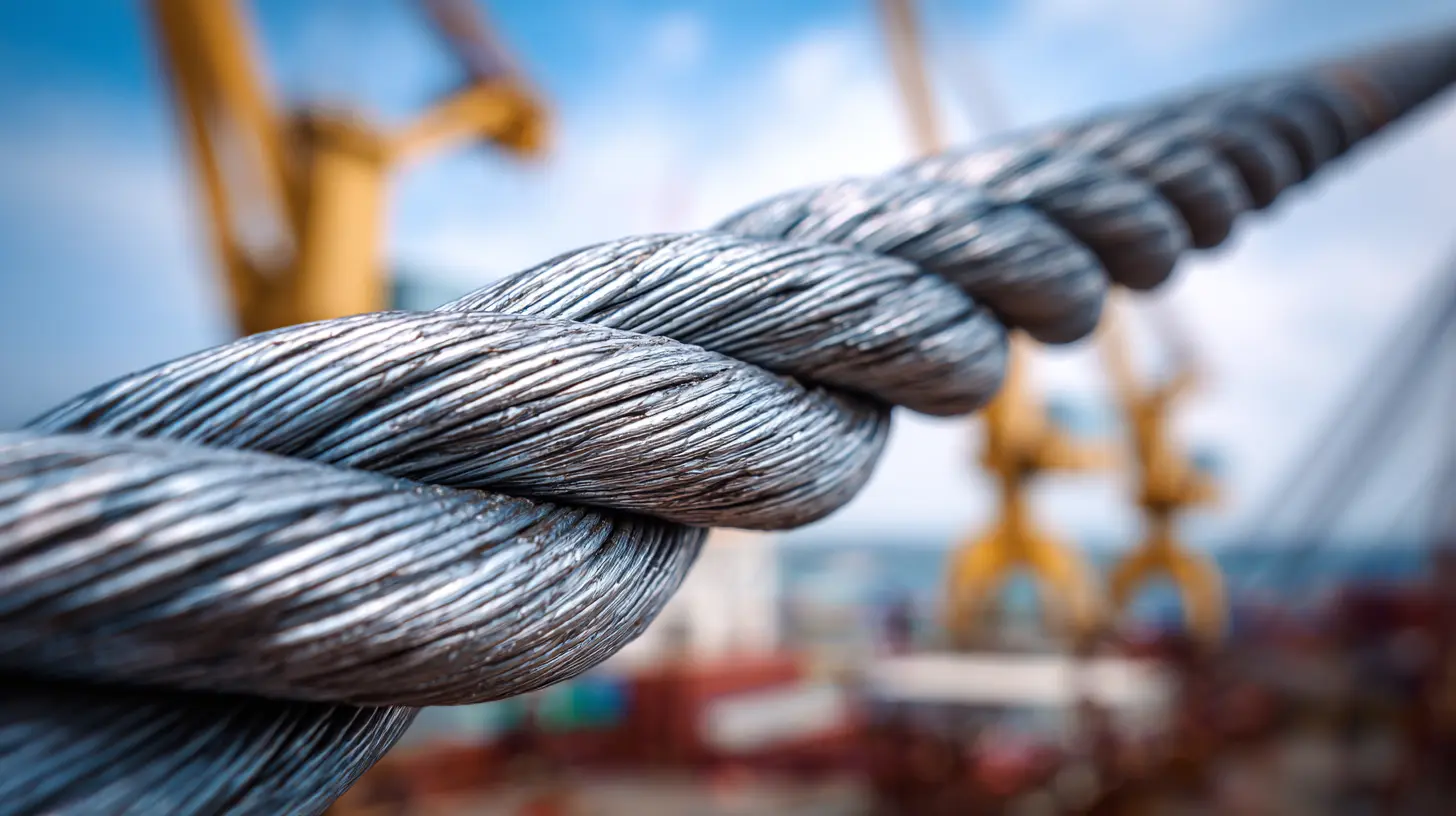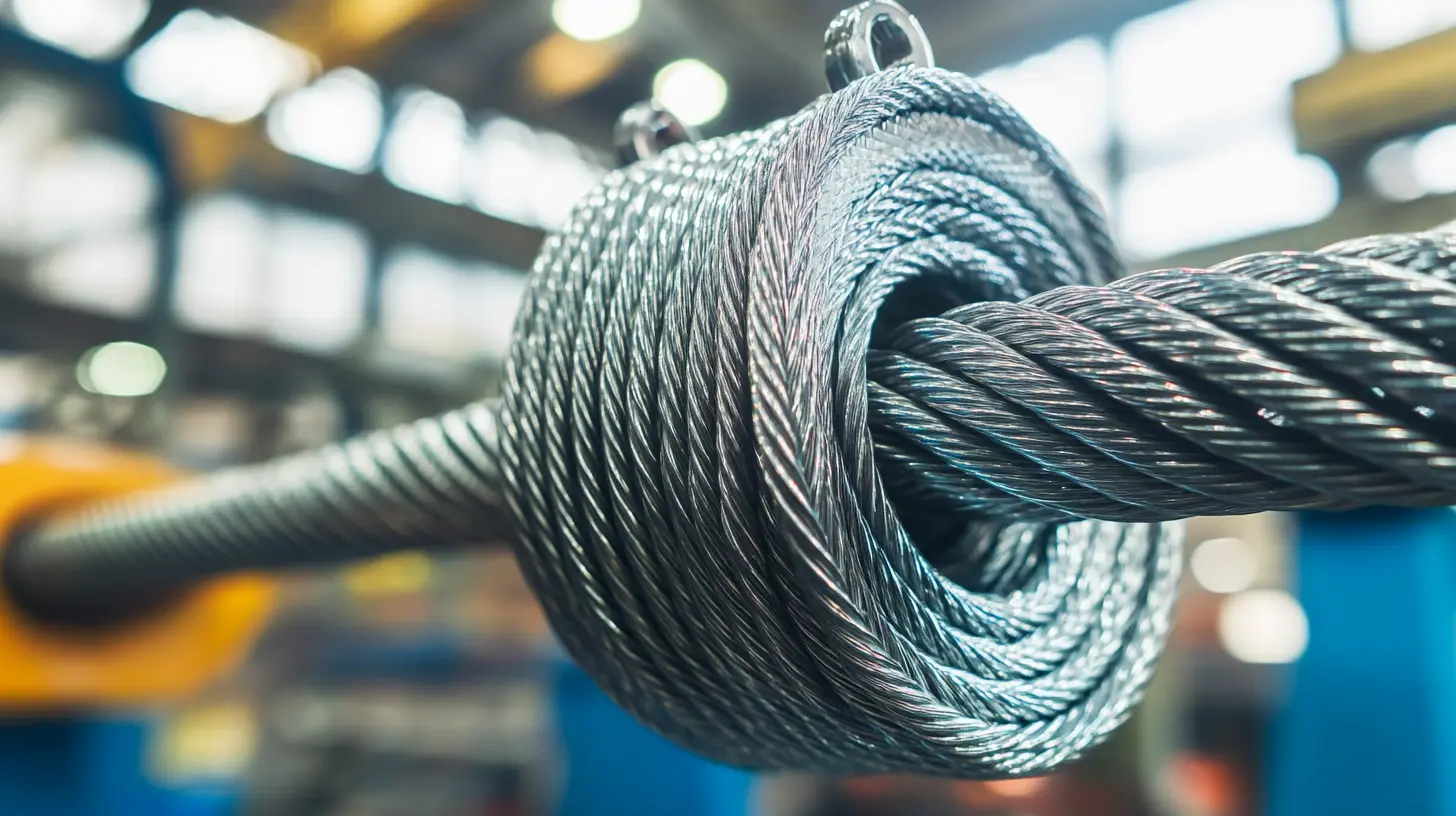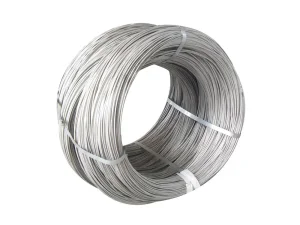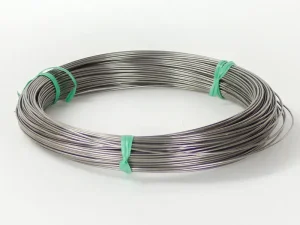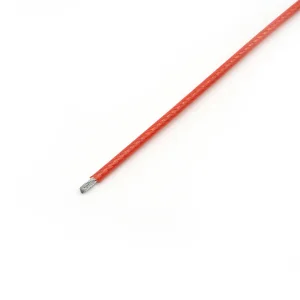
Wholesale Anti-rotation wire rope 19x7 Port machinery special 20mm Manufacturer, Factories

Drawing galvanized standard steel wire rope for a wide range of applications such as cargo wheels, hoisting, luffing, mooring, hauling, anchoring, etc. It is also suitable for making wire rope slings for lifting operations.

The best combination of flexibility and wear resistance. Parallel laying structure, long service life.

The structure complies with EN 12385 standard.

Product Description

Hositing Steel Wire Rope

Lifting Wire rope is a vital load-bearing and traction component in lifting machinery. Its main function is to lift, pull, tighten and carry heavy objects.

Main Advantages
Less flexible compared to 35(W)x7 but more abrasion resistant.
Class: 18x7 | Total number of wires: 133
Core type: WSC | Outer wires number: 72 | Outer strands number: 12
Lay type: regular lay | Lay direction: right hand lay
On request options: Galvanized/ungalvanized, left hand, greasing level.
Lifting Wire Rope
Steel Wire Rope Core
Applications
Engineering crane
Port crane
Industrial crane
Offshore crane
Winch
Drilling platform

When should crane wire ropes be scrapped?

When a wire rope meets any of the following conditions, it should be scrapped:
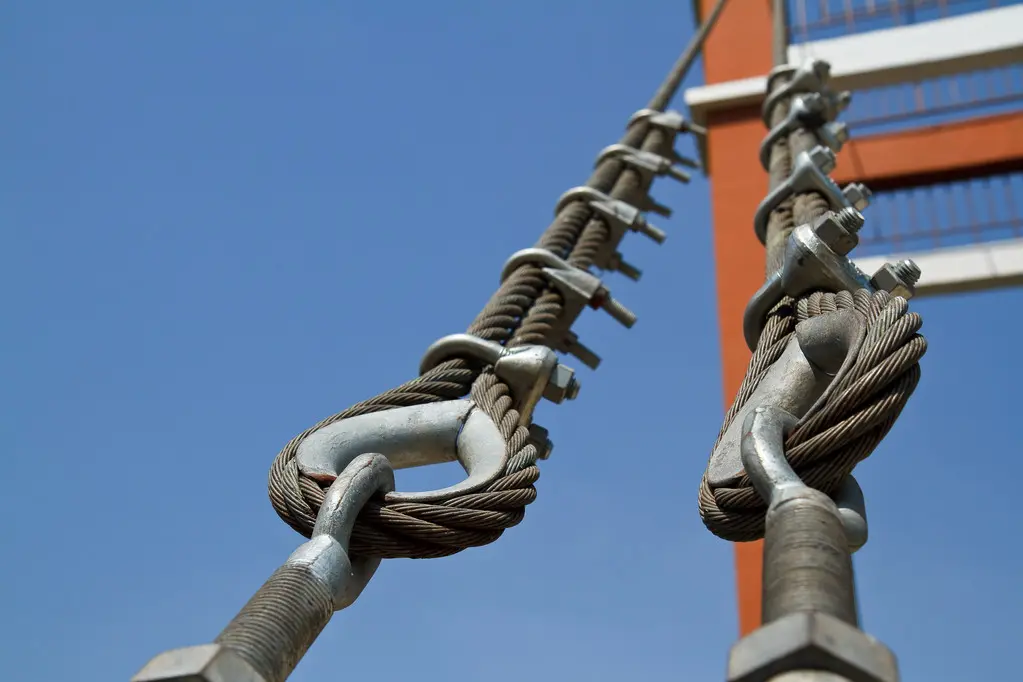
(1)The number of broken wires in one twist of the wire rope exceeds 10% of the total number of wires.
(2)The wear of the outer wire exceeds 40% of the original diameter. If it is less than 40%, it can be disassembled and scrapped according to the number of broken wires.
(3)The number of broken wires in a molten iron or hazardous goods lifting wire rope reaches half the number of broken wires that should be scrapped for general lifting equipment.
(4)The wire rope diameter is reduced by 7%.
(5)The entire strand of the wire rope is broken or the fiber core is exposed, and part of the outer wire is extended in a cage-like or hardened state.

Key points when replacing wire ropes

01When replacing old wire ropes, qualified original design models, diameters, nominal tensile strength and wire ropes must be used.
02It is forbidden to use wire ropes without a certificate of conformity. If the wire rope diameter does not conform to the original design, the total breaking force must be equal to the original design.
03The diameter difference should not exceed: 1mm when original diameter < 20mm, and 1.5mm when original diameter > 20mm.
04When replacing or winding, be careful not to let the wire rope become knotted. Knotted wire ropes are most likely to wear and break.
19x7 Specification Chart

19x7 Specification Data

Nominal diameter (mm) Approx. weight (Kg/m) Minimum breaking load (kN)
1770N/mm² 1960N/mm²
70.19628.431.5
80.25737.241.1
90.32547.052.1
100.40158.164.3
120.57783.692.6
140.786114126
161.030149165
181.300188208
201.600232257
242.310334370
283.140455504
324.110594658
365.200752833

Frequently Asked Questions

What are the primary functions of lifting wire ropes?
Lifting wire ropes serve as vital load-bearing and traction components primarily used for lifting, pulling, tightening, and carrying heavy objects in various crane systems.
When is a wire rope considered ready for scrapping due to broken wires?
A wire rope should be scrapped if the number of broken wires in a single twist exceeds 10% of the total wire count. For hazardous goods lifting, this threshold is halved.
How does wear on the outer wire affect the safety of the rope?
If the wear of the outer wire exceeds 40% of the original diameter, the rope must be scrapped. Even with less wear, it must be evaluated based on the number of broken wires.
What is the diameter reduction limit for scrapping a wire rope?
If the wire rope diameter is reduced by 7% or more from its original size, it is no longer safe for operation and must be scrapped.
What are the rules for choosing a replacement wire rope?
Replacement ropes must match original design models, diameters, and tensile strength. If the diameter differs slightly, it must not exceed a 1mm difference for ropes under 20mm, or 1.5mm for ropes over 20mm.
Why is it forbidden to use knotted wire ropes?
Knotted wire ropes are highly prone to concentrated wear and are much more likely to break during use, posing a significant safety risk in lifting mechanisms.

Related Products