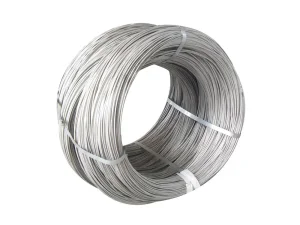
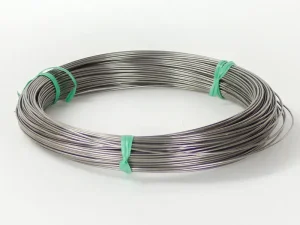
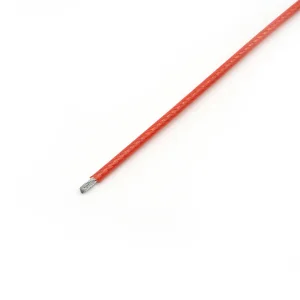
Hositing Steel Wire Rope: 6x19 + FC
The 6x19 + FC construction balances flexibility and strength, making it an ideal choice for many lifting applications. The fiber core provides unique advantages in handling and lubrication while maintaining high structural integrity.
Key Features
- Superior Flexibility: Compared to steel-core IWRC ropes, fiber-core FC ropes are more flexible, resulting in improved bending properties. This is particularly beneficial for applications with frequent bending over pulleys and drums.
- Advanced Oil Storage: The fiber core acts as a reservoir, impregnated with oil to continuously supply lubricant to the interior of the rope, reducing internal wear and delaying corrosion.
- High Strength & Wear Resistance: The 6-strand construction with 19 wires per strand provides excellent tensile strength and abrasion resistance for industrial use.
- Optimized Fatigue Life: Increased flexibility helps extend the rope's fatigue life in dynamic lifting environments.
Applications
Due to its excellent flexibility and lubricity, 6x19 + FC is widely used in low- to medium-load lifting applications:
- General Lifting Bridge cranes and gantry cranes.
- Machinery Electric hoists and winch systems.
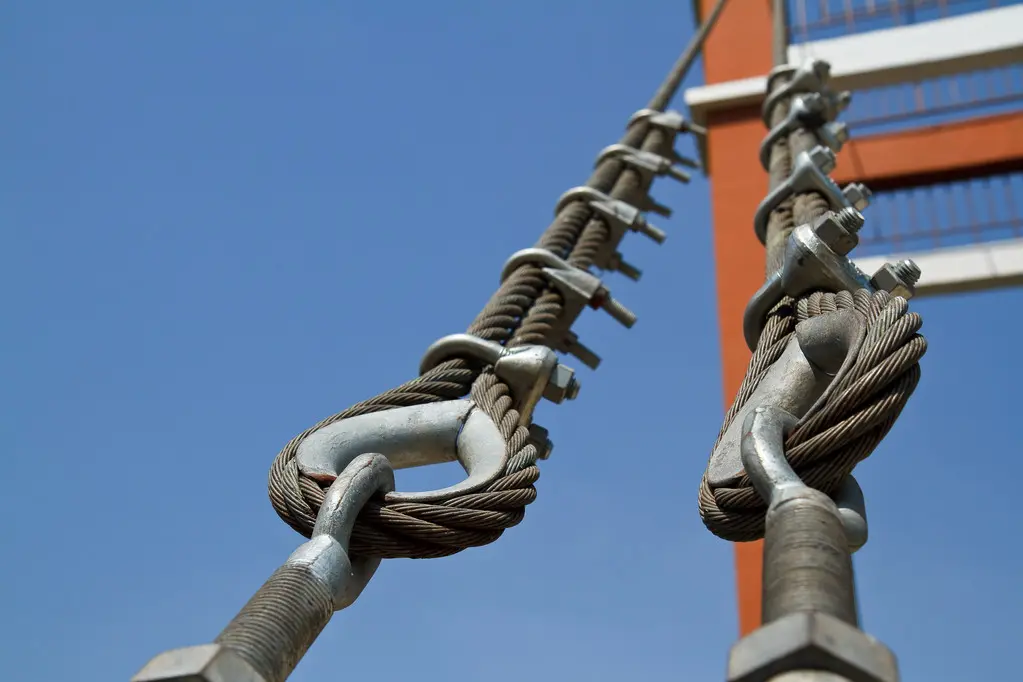
- Support Wire rope slings for lashing and lifting loads.
- Heavy Duty Engineering, Port, Industrial, and Offshore cranes.
- Energy Drilling platforms and towing operations.
Note: For applications with high lifting heights, extreme tonnage, or multiple layers of spooling, steel core ropes (6x19+IWRC) or anti-rotation ropes (35x7) are recommended for higher compressive resistance.
Safety & Maintenance Standards
When should crane wire ropes be scrapped?
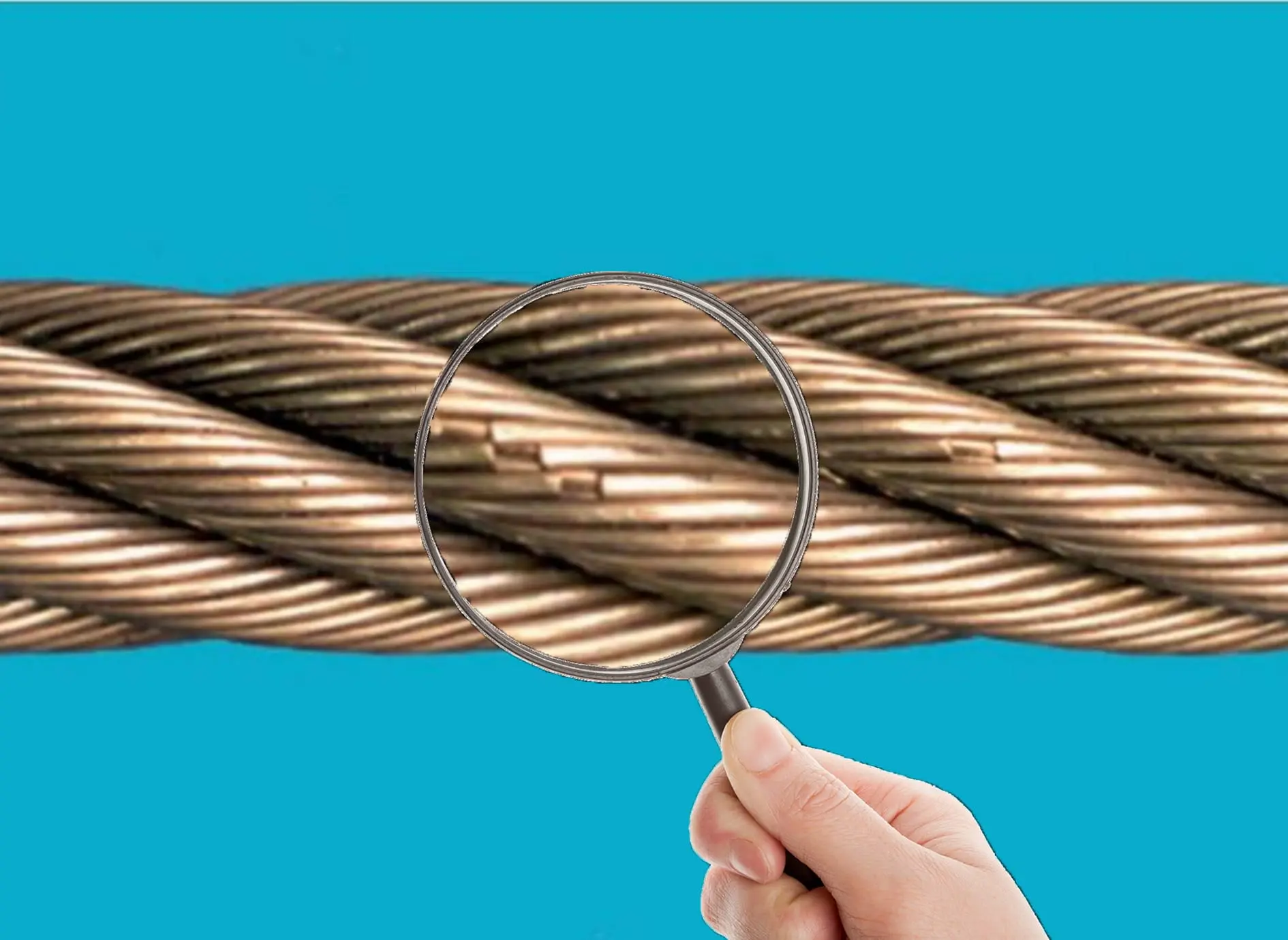
- Number of broken wires in one twist exceeds 10% of total wires.
- Outer wire wear exceeds 40% of the original diameter.
- Wire rope diameter is reduced by more than 7%.
- The entire strand is broken or the fiber core is exposed.
- Deformation such as cage-like extension or hardening occurs.
Key Points for Replacement
Always use qualified original design models. Ensure the total breaking force is equal to the original design. Avoid knots during installation, as knotted ropes are prone to breaking. Connecting two wire ropes in a lifting mechanism is strictly forbidden.
Frequently Asked Questions
What does the "FC" in 6x19+FC stand for?
"FC" stands for Fiber Core. This core is usually made of synthetic or natural fibers, providing the rope with greater flexibility and better internal lubrication compared to steel-core ropes.
Why is flexibility important for hoisting ropes?
Higher flexibility allows the rope to bend more easily over sheaves, drums, and pulleys, which reduces fatigue stress and extends the service life of the rope in active lifting systems.
Is 6x19+FC suitable for heavy offshore cranes?
Yes, it is used for offshore cranes and winches, but for extremely high loads or multi-layer spooling, a steel core (IWRC) might be preferred to prevent rope flattening.
How does the fiber core help prevent corrosion?
The fiber core is impregnated with grease or oil during manufacturing. As the rope operates, the core releases lubricant to the outer strands, protecting the internal wires from moisture and friction.
What are the tolerance limits when replacing a wire rope?
When the original diameter is less than 20mm, the difference should not exceed 1mm. If the original diameter exceeds 20mm, the tolerance is 1.5mm, provided the breaking force meets original specs.
Can I connect two wire ropes together for lifting?
No, it is strictly forbidden to connect two wire ropes within a lifting mechanism. This creates a significant point of failure and compromises safety standards.
 Mei Shen STEEL