Hastelloy C276 Rod has become a pivotal material in various global markets. This high-performance alloy is known for its exceptional resistance to corrosion and high temperatures. Industries rely on this alloy for its durability and reliability. The uses of Hastelloy C276 Rod span across diverse sectors, including chemical processing, marine engineering, and power generation.
In the chemical industry, for instance, the rod is vital for manufacturing equipment that comes into contact with aggressive media. This ensures longer service life and reduced maintenance costs. In marine applications, its ability to withstand harsh environments makes it an ideal choice for components exposed to seawater. However, it is crucial to remember that not all applications may suit this alloy perfectly, and some challenges remain.
When utilizing Hastelloy C276 Rod, careful consideration is needed regarding cost versus benefit. The price of this material may warrant a deeper analysis before making decisions. The potential for over-specification is present, leading to unnecessary expenses. In a world that constantly evolves, the role of Hastelloy C276 Rod is significant yet demands reflective evaluation in its applications.
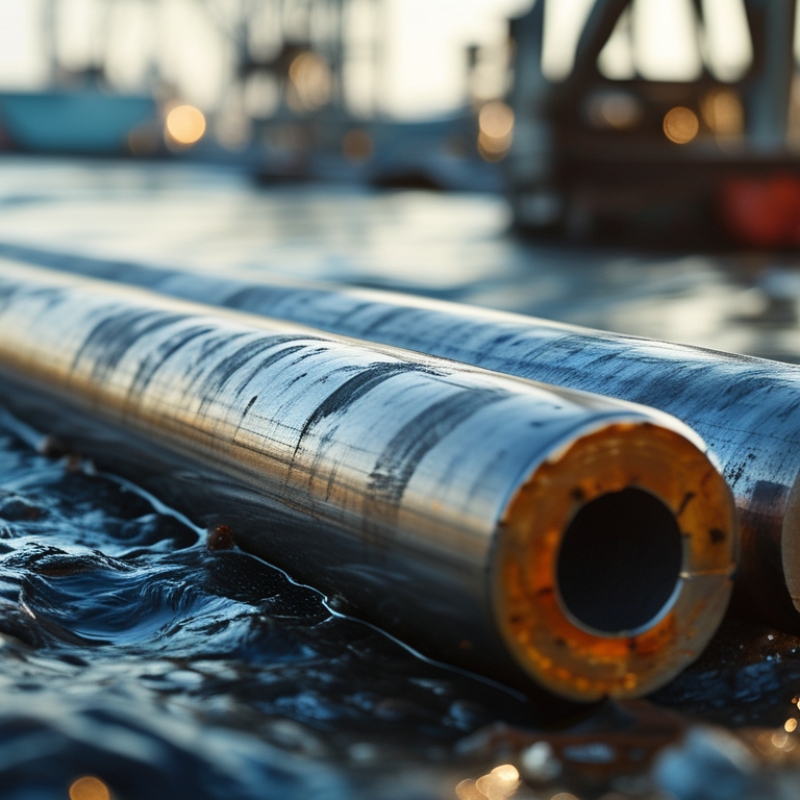
Key Properties of Hastelloy C276 Rod and Its Benefits
Hastelloy C276 rod is renowned for its exceptional corrosion resistance. This makes it suitable for various demanding applications, especially in oil and gas industries. A recent industry report indicates that the demand for high-performance alloys like Hastelloy C276 is expected to grow by over 7% annually until 2030. This growth highlights its importance in marine, chemical, and aerospace sectors.
One key property of Hastelloy C276 is its ability to withstand pitting, crevice corrosion, and stress corrosion cracking. It can function effectively in harsh environments, including high-temperature settings. For example, in chemical processing, it maintains structural integrity in acids and other corrosive substances. Industry professionals acknowledge that the versatility of this alloy translates to longer service life in equipment, reducing downtime and maintenance costs.
However, the challenge lies in sourcing and cost. Hastelloy C276 can be pricier than other materials. Its sourcing can also be limited by fluctuating market conditions. Some manufacturers find it hard to acquire the material in specific forms and sizes. Understanding these limitations is crucial for making informed decisions in project planning and material selection.
Applications in Chemical Processing Industries
Hastelloy C276 rods are widely utilized in chemical processing industries, thanks to their remarkable resistance to corrosion and high-temperature environments. These rods are essential in manufacturing equipment such as reactors, heat exchangers, and piping systems. According to a report from MarketsandMarkets, the global chemical processing equipment market is projected to grow from $124 billion in 2022 to $165 billion by 2027. This growth is driving the demand for high-performance materials like Hastelloy C276.
In addition to their strength, these rods effectively handle aggressive media. They're particularly beneficial in environments containing sulfuric acid, hydrochloric acid, and other harsh chemicals. A study by the American Institute of Chemical Engineers highlighted that Hastelloy C276 exhibits exceptional stability under fluctuating temperatures. Such attributes make it an ideal choice for industries like oil and gas, pharmaceuticals, and aerospace.
Covering various needs is crucial. Consider optimizing your design to minimize welds and joints. This can enhance overall durability. Additionally, regular inspection of components can prevent unforeseen failures. Evaluating operational conditions can provide insights for better material selection. Take note of how your processes impact the longevity of your equipment. Continuous improvement in design strategies is necessary for maintaining efficiency.
Top 10 Uses for Hastelloy C276 Rod in Global Markets
| Application |
Industry Segment |
Key Benefits |
Typical Environment |
| Flue Gas Desulfurization (FGD) |
Energy & Power |
Corrosion resistance |
Acidic conditions |
| Chemical Processing Equipment |
Chemical Manufacturing |
Durability in harsh environments |
High temperatures |
| Oil & Gas Extraction |
Oil & Gas |
Resistance to pitting and stress corrosion |
Sour gas environments |
| Marine Applications |
Shipbuilding & Offshore |
Resistance to seawater corrosion |
Saltwater exposure |
| Pharmaceutical Manufacturing |
Pharmaceuticals |
Non-reactivity |
Chemical processes |
| Aerospace Components |
Aerospace |
High strength-to-weight ratio |
Extreme conditions |
| Nuclear Fuel Processing |
Nuclear Energy |
Safety and longevity |
Radioactive environments |
| Heat Exchangers |
Chemical Engineering |
Efficient heat transfer |
High temperature fluids |
| Waste Treatment Systems |
Environmental Services |
Corrosion resistance |
Toxic waste |
| Electronics Manufacturing |
Electronics |
Precision and reliability |
Controlled environments |
Use in Oil and Gas Production and Exploration
Hastelloy C276 rods play a crucial role in oil and gas production and exploration. The rod's unique composition makes it highly resistant to pitting and corrosion.
These properties are essential in harsh environments like offshore platforms and deep-sea drilling sites. Operators appreciate how this material can withstand chemical exposure and high temperatures. This durability often leads to reduced maintenance costs and increased safety.
Nevertheless, the high cost of Hastelloy C276 can be a concern for some companies.
In drilling operations, the rods serve various purposes, including structural support and handling drilling fluids. Their reliability directly impacts the efficiency of extraction processes. There are cases where even slight material failures have led to production delays. Such incidents raise questions about material selection and engineering practices. Choosing Hastelloy C276 often reflects a commitment to long-term operation despite upfront expenses.
Exploration activities also benefit from this versatile rod. For instance, seismic studies frequently require robust equipment that can endure extreme conditions.
Here, the performance of Hastelloy C276 sets a standard. Even so, some professionals argue for exploring alternative materials that might offer similar benefits at lower costs. This ongoing dialogue highlights the need for continuous innovation in material science.
Role in Environmental Technologies and Waste Management
Hastelloy C276 rod has gained significant traction in environmental technologies and waste management. This nickel-molybdenum alloy is prized for its impressive resistance to corrosion, making it ideal for harsh chemical environments. According to industry reports, the global market for waste treatment is projected to reach $530 billion by 2025, highlighting a growing demand for materials that can withstand extreme conditions.
In waste management, Hastelloy C276 rod is utilized in construction for piping and equipment that process hazardous waste. Its durability ensures a lower failure rate, which is critical when handling toxic materials. For instance, a study from the Environmental Protection Agency indicated that the right materials could reduce leakage incidents by up to 30%. This not only protects the environment but also promotes safer operational practices within waste facilities.
Moreover, the role of Hastelloy C276 in renewable energy systems cannot be overlooked. Its ability to perform under high temperatures boosts its appeal in bioenergy projects. However, challenges remain. Cost considerations impact its widespread adoption. Despite its advantages, budget constraints may limit its application in lower-tier waste management operations. This ongoing dilemma invites further discussion on balancing performance and affordability in the industry.
Market Trends and Future Prospects for Hastelloy C276 Rod
Hastelloy C276 rod is gaining momentum in various global markets due to its exceptional properties. This nickel-chromium-molybdenum alloy resists corrosion in harsh environments. As industries face stricter regulations, the demand for reliable materials is increasing. Many sectors, including chemical processing and oil and gas, are prioritizing Hastelloy C276 for its durability.
Market trends indicate a shift towards sustainability and innovation. Companies are investing in research to explore new applications. While some industries hesitate due to costs, the long-term benefits of using Hastelloy C276 outweigh the initial investment. Its lifecycle often leads to reduced maintenance needs, which is an attractive proposition for manufacturers.
Future prospects look optimistic, but challenges remain. Economic fluctuations can impact the cost of raw materials. Some manufacturers may struggle to adapt to changing market needs. Keeping abreast of technological advancements will be crucial for companies to harness the full potential of Hastelloy C276 rod, ensuring they remain competitive in a globalized economy.
FAQS
: Various industries like chemical processing, oil and gas, pharmaceuticals, and aerospace utilize these rods.
They resist corrosion from aggressive media, such as sulfuric and hydrochloric acids, making them ideal for tough conditions.
Optimizing designs to minimize welds increases durability and reduces the risk of failure in critical components.
A shift toward sustainability and innovation is evident, with increased research into new applications and uses.
Yes, economic fluctuations and changing market needs pose challenges for some manufacturers in adopting these materials.
They often lead to reduced maintenance needs, which can offset the initial investment costs over time.
Staying updated on technological advancements is essential for utilizing the full potential of these rods effectively.
Operational conditions and how processes affect equipment wear can significantly impact longevity and performance.
Conclusion
Hastelloy C276 Rod is a highly versatile alloy known for its exceptional resistance to corrosion and high-temperature environments, making it an ideal choice for various global markets. Its key properties, including excellent toughness and weldability, contribute significantly to its benefits in industrial applications. This alloy finds extensive use in chemical processing industries, where it withstands harsh chemicals and extreme conditions, as well as in oil and gas production, where reliability is critical for exploration and extraction operations.
Additionally, Hastelloy C276 Rod plays a crucial role in environmental technologies and waste management by providing durable solutions for handling hazardous materials. As market trends indicate a growing demand for high-performance materials, the future prospects for Hastelloy C276 Rod remain strong across various sectors, reinforcing its position as a leading material in demanding applications.

 Mei Shen STEEL