Oilfield Ropes play a crucial role in the energy sector. These specialized ropes are essential for tasks like lifting, securing, and towing in oilfields. According to Dr. Emily Carter, a leading expert in materials science, "Oilfield Ropes are the backbone of efficient operations." Her insights illuminate the importance of these tools in maximizing productivity.
In oilfields, the reliability of equipment is vital. Ropes must withstand harsh conditions and heavy loads. The fibers and materials used in oilfield ropes are designed for strength and durability. They face challenges such as extreme weather and corrosive elements. Understanding these factors helps in selecting the right rope for each task.
However, not all oilfield ropes are created equal. Some may fail under pressure, leading to significant setbacks. This highlights the need for continuous improvement in rope technology. Industry professionals must stay updated on advancements and best practices. Investing in high-quality ropes can prevent costly accidents and ensure safety in the field.
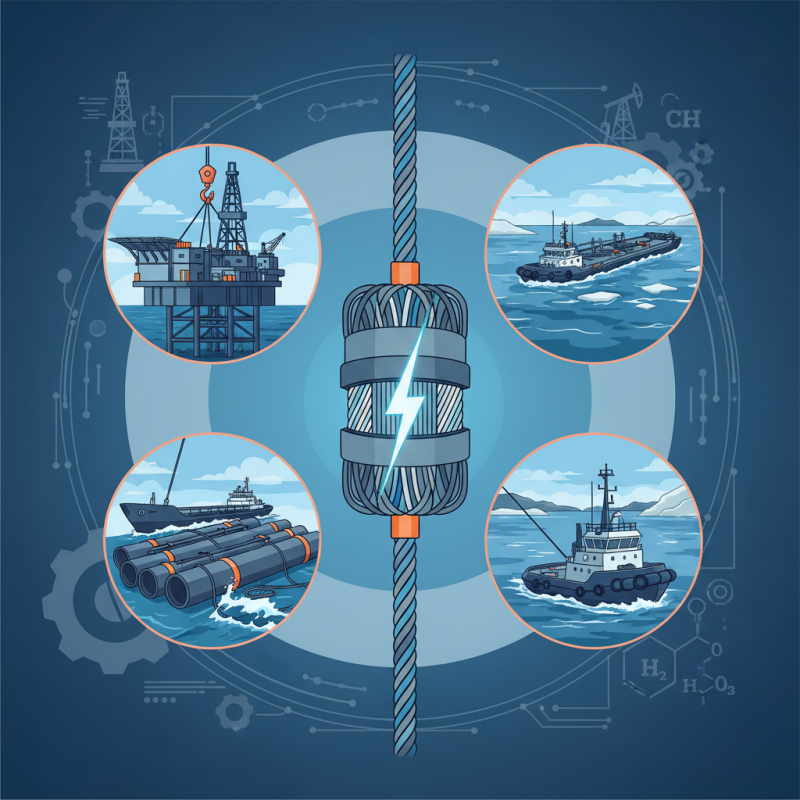
Oilfield ropes play a critical role in the oil and gas industry. These specialized ropes are designed to withstand harsh conditions in drilling and extraction processes. According to a recent report by the International Energy Agency, more than 55% of oil extraction relies on efficient and durable equipment, including ropes. Their importance cannot be understated, as they impact both safety and productivity on site.
Effective oilfield ropes minimize risks during operations. They experience extreme tensions and environmental stressors, yet they must perform reliably. A study revealed that using advanced material composites can enhance rope durability by up to 30%. This can lead to reduced downtime, positively affecting overall project timelines and costs.
Tip: Regular inspections of oilfield ropes can prevent costly failures. When inspecting, look for signs of fraying or wear. Even small defects can escalate into major issues. Integrating quality maintenance protocols ensures optimal performance and safety. Remember, investing in quality equipment is a step toward safer operations.
Oilfield ropes play a crucial role in drilling and production operations. Several types are commonly used, each tailored for specific tasks.
Wire ropes, for instance, are essential for lifting heavy loads during drilling. Their robustness and tensile strength ensure safety in harsh environments. Polyester ropes, on the other hand, are favored for their lightweight properties. They provide flexibility and are resistant to UV rays and chemicals.
A recent industry report indicates that more than 70% of oilfield incidents involve equipment failure, often due to improper rope selection. This emphasizes the need for careful consideration when choosing ropes for specific applications. Synthetic ropes are gaining popularity as they offer increased durability and lower maintenance costs. Many operations are shifting towards these materials for better efficiency.
Tips for selecting the right oilfield rope include assessing the specific lifting capacities required and considering environmental factors. Ensure the rope’s tensile strength matches the load it will carry. Always evaluate alternative materials; while traditional steel ropes are strong, they may not always be the best choice. Be aware of the limitations of each type. Regular inspections and maintenance of ropes are vital, as wear and tear can lead to dangerous situations.
Oilfield ropes are essential tools in the energy industry. They are specifically designed to withstand extreme conditions. Understanding the key materials used in their manufacturing is critical for ensuring reliability and safety.
High-strength fibers like nylon and polyester form the backbone of oilfield ropes. These materials offer excellent resistance to abrasion and environmental factors. The choice of materials directly impacts the rope's lifespan and performance in harsh settings, where failure is not an option.
The manufacturing process also plays a vital role. It involves precise techniques like braiding and coating. Each phase requires skilled craftsmanship and advanced technology. This is where the ropes gain their durability and flexibility. However, even with advanced processes, inconsistencies can occur. Inspecting each rope is crucial, as unseen flaws can lead to catastrophic outcomes. Workers must remain vigilant.
Oilfield ropes play a crucial role in various operations within the oil and gas industry. Key performance metrics for these ropes include strength, durability, and load capacity. Strength is essential, as it determines how much weight a rope can handle without breaking. Ropes are tested under extreme conditions to ensure they meet required specifications.
Durability relates to how well ropes resist wear and tear over time. Ropes often face harsh environments, including exposure to chemicals and extreme temperatures. Maintaining durability is vital for safety and operational efficiency. Additionally, the load capacity of ropes should align with project demands. Underestimating load capacity can lead to failures, resulting in costly delays.
Sometimes, even the strongest ropes can fail unexpectedly. Regular inspections are necessary to identify signs of wear. Operators should be diligent in monitoring ropes for fraying or other signs of damage. Experiences in the field highlight that even small imperfections can lead to significant issues. Ignoring maintenance can jeopardize both safety and project timelines. Balancing performance metrics with real-world conditions is essential for successful operations.
Oilfield ropes are crucial components in the oil and gas industry. They provide support for heavy lifting and transportation of tools and materials. Proper maintenance of these ropes is essential to ensure their longevity and performance.
One vital practice is regular inspection. Checklist items should include looking for frays, kinks, or signs of wear. Taking time to inspect can prevent failures. For added durability, it's important to clean ropes after use. Dirt and chemicals can weaken the fibers over time.
Tips: Store ropes in a cool, dry environment. Avoid exposing them to direct sunlight for long periods. Regularly rotate their usage to prevent uneven wear. These small actions can extend the life of your equipment. Consistent and mindful maintenance can lead to better efficiency in operations. Mistakes or negligence in upkeep can lead to costly accidents. Awareness and proactive measures are key.
: Wire ropes are used for lifting heavy loads, while polyester ropes are lightweight and UV-resistant.
Over 70% of oilfield incidents stem from equipment failure due to improper rope selection.
Evaluating lifting capacities and environmental conditions is essential for choosing the right rope.
Ropes that resist wear and tear ensure safety; weak ropes can break under stress, causing accidents.
Regular inspections, cleaning, and proper storage in a dry place enhance rope longevity and performance.
Regular inspections are crucial; even small frays or kinks can lead to significant failures in the field.
Ropes should be stored in cool, dry areas and kept out of direct sunlight to prevent deterioration.
Neglecting maintenance can lead to costly accidents and delays, compromising safety and project timelines.
Underestimating load capacity can result in failures, causing project delays and potential safety risks.
Ignoring signs of wear and inadequate inspections can jeopardize both safety and operational efficiency.
Oilfield ropes are specialized cables engineered for use in various drilling and production operations within the oil and gas industry. These ropes play a crucial role in ensuring the safe and efficient transportation of materials and equipment, making them indispensable for successful operations. Various types of oilfield ropes cater to different functions, from heavy-duty lifting to dynamic applications, emphasizing the versatility required in the field.
The manufacturing process of oilfield ropes involves high-performance materials that contribute to their strength, durability, and load capacity. Key metrics are critical in evaluating their performance, particularly under challenging conditions. To maximize their lifespan, implementing proper maintenance practices is essential. By focusing on the care of oilfield ropes, operators can enhance their longevity and reliability, ultimately improving operational safety and efficiency in the industry.

Mei Shen STEEL