2026 How to Choose the Best 304 Stainless Steel Angle?

Time:2026-06-13 Author:Sienna
0%

When selecting the best 304 stainless steel angle, understanding its properties is crucial. According to industry reports, 304 stainless steel is widely regarded for its excellent corrosion resistance and formability. In construction and manufacturing, this material often plays a critical role. It offers a balance of strength and durability, which is essential for structural applications.

However, not all 304 stainless steel angles are the same. Variations in production processes, tolerance levels, and surface finishes can affect performance. A study by the American Institute of Steel Construction highlights that material selection impacts long-term sustainability. Therefore, it is vital for engineers and buyers to consider these factors carefully.

Despite its advantages, some challenges exist in choosing the right 304 stainless steel angle. Sourcing from unreliable suppliers may lead to inconsistencies in quality. To make informed decisions, buyers should rely on trusted resources and industry expertise. This approach ensures that the chosen 304 stainless steel angle meets the exact needs of the project while maximizing performance and safety.
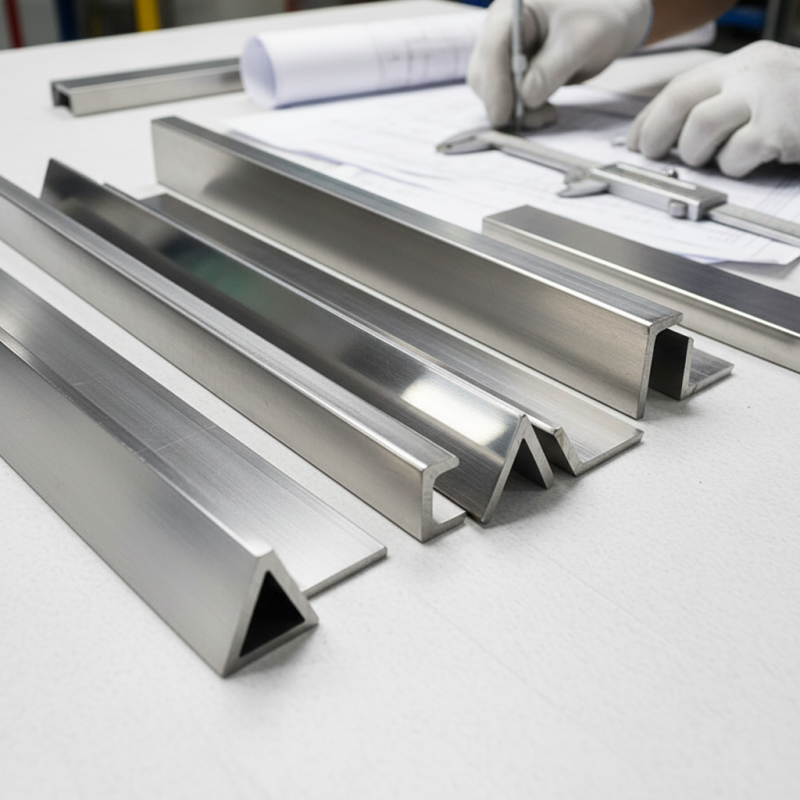
2026 How to Choose the Best 304 Stainless Steel Angle?

Understanding 304 Stainless Steel Angle: Properties and Benefits

304 stainless steel angle is widely used in construction and manufacturing. Its composition includes at least 18% chromium and 8% nickel. This combination makes it highly resistant to corrosion. The unique properties of 304 stainless steel provide strength and durability in various applications.

One notable benefit is its versatility. It can be easily welded and fabricated. This makes it suitable for structural components. Many industries utilize 304 stainless steel angles, from architecture to mechanical engineering. However, it may not perform well in extreme temperatures. Designers need to consider this when selecting materials.

The visual appeal of 304 stainless steel is also a plus. Its shiny surface enhances aesthetics in visible structures. However, its appearance can degrade without proper maintenance. Regular cleaning is essential to preserve its look. It's crucial to weigh the pros and cons when choosing the right material for specific needs.

Key Factors to Consider When Selecting 304 Stainless Steel Angle

When selecting 304 stainless steel angle, several key factors come into play. First, consider the application. Different projects may require specific dimensions and strengths. For instance, structural support needs a sturdy angle, while decorative features may need a finer finish.

Next, evaluate the corrosion resistance. 304 stainless steel offers good resistance to oxidation and corrosion. However, environments with high levels of chlorides may lead to pitting. Be aware of your environment and the potential long-term effects on the material.

Tips: Always check the specifications of the stainless steel angle. Ensure it meets the required standards for your project. If possible, consult with a professional to confirm your choices. This can save time and resources later on.

Lastly, consider price and availability. While 304 stainless steel angle is widely available, fluctuations in price can occur. Compare options from different suppliers to find the best deal. Importantly, don’t overlook the importance of sourcing from credible suppliers. Reliability in supply can impact your project timeline.

Key Factors to Consider When Selecting 304 Stainless Steel Angle

Comparing Different Grades and Types of Stainless Steel Angles

When choosing the best 304 stainless steel angle, understanding the different grades and types is crucial. 304 stainless steel is known for its excellent corrosion resistance and strength. However, not all 304 angles are created equal. For instance, they may vary in thickness, finish, and mechanical properties, which can affect their performance in specific applications.

Research from industry experts indicates that the tensile strength of 304 stainless steel is around 70,000 psi, making it suitable for structural applications. Its yield strength is approximately 30,000 psi. These numbers highlight its robustness in demanding environments. However, choosing a lower-grade or non-compliant product could lead to failures and costly repairs.

It’s essential to examine factors like the angle’s surface finish and the potential for welding. Some angles have a mill finish, while others are polished. A polished finish might offer enhanced corrosion resistance in certain atmospheres, but it also can be more expensive. Balancing cost with performance is vital. Understanding these nuances helps in making a more informed decision, ultimately affecting the durability and safety of any project.

Common Applications for 304 Stainless Steel Angles in Construction

304 stainless steel angles are widely recognized for their applications in construction. This material offers excellent corrosion resistance and strength. These features make it a popular choice for a wide range of structural components. According to a report by the American Iron and Steel Institute, stainless steel usage in construction has increased by 20% in the last decade. The durability of 304 angles ensures they last in demanding environments.

In construction, 304 stainless steel angles are commonly used in frameworks, supports, and brackets. These angles can withstand harsh weather conditions. They are essential for building frames and support structures. Their ability to resist rust makes them ideal for outdoor projects. Additionally, they are often used in infrastructure projects, such as bridges and railways. However, some engineers have noted that while 304 offers many benefits, it may not perform as well under high-temperature conditions. This could lead to challenges in specific applications.

When choosing 304 stainless steel angles, consider factors such as load-bearing requirements and environmental exposure. Some projects may require additional corrosion resistance. Exploring alternative stainless-steel grades might be beneficial in these cases. Balancing cost, performance, and longevity is crucial. Understanding these variables can ensure effective use of 304 stainless steel angles in construction.

Maintenance Tips for Longevity of 304 Stainless Steel Angles

304 stainless steel angles are popular for various construction projects. To extend their life, proper maintenance is essential. Regular cleaning is one of the simplest yet effective ways to prevent corrosion. Use a mild soap with water to wipe down the surface. Avoid harsh chemicals that could damage the finish.

Another tip is to inspect regularly for any signs of wear. Look for discoloration or rust spots. If noticed, address them promptly. Applying a protective layer can shield the angles from moisture. Consider using wax or oil. These products create a barrier against harsh elements.

Lastly, ensure that the angles are installed correctly. Poor installation can lead to unnecessary stress and potential failure. Even small misalignments can cause issues. Pay attention to how they are secured and the load they bear. Taking these steps helps maintain the integrity and appearance of 304 stainless steel angles over time.

2026 How to Choose the Best 304 Stainless Steel Angle? - Maintenance Tips for Longevity of 304 Stainless Steel Angles

Criteria Description Importance Maintenance Tips
Material Quality Ensure the angle is made of genuine 304 stainless steel. High Regularly check for corrosion resistance.
Dimensions Select the angle size based on structural requirements. Medium Confirm measurements before purchase.
Finish Type Opt for polished or brushed finishes as per aesthetic needs. Medium Clean regularly to maintain appearance.
Load Capacity Assess the load requirements to prevent failure. High Avoid overloading angles beyond their specification.
Environmental Resistance Consider the installation location for environmental factors. High Apply protective coatings if exposed to harsh conditions.

FAQS

: What is 304 stainless steel angle?

: It is a type of stainless steel known for its strength and corrosion resistance.

What are the key components of 304 stainless steel?

It contains at least 18% chromium and 8% nickel. This combination enhances its durability.

Why is 304 stainless steel versatile?

It is easy to weld and fabricate, making it suitable for various applications in construction and manufacturing.

What should be considered when using 304 stainless steel in extreme conditions?

It may not perform well in extreme temperatures, which designers need to consider.

How can the appearance of 304 stainless steel be maintained?

Regular cleaning is essential to preserve its shiny surface and aesthetic appeal.

Is there a difference between types of 304 stainless steel angles?

Yes, they can vary in thickness, finish, and mechanical properties, affecting their performance.

What are the tensile and yield strengths of 304 stainless steel?

Its tensile strength is around 70,000 psi, and yield strength is approximately 30,000 psi.

Why is the surface finish important?

The finish can affect corrosion resistance and overall performance, making it crucial for specific projects.

Can choosing lower-grade products lead to issues?

Yes, lower-grade products might cause failures and expensive repairs later on.

How to balance cost and performance when selecting materials?

Factors like finish and durability should influence decisions to ensure quality without overspending.

Conclusion

The article titled "2026 How to Choose the Best 304 Stainless Steel Angle" provides a comprehensive guide to understanding and selecting 304 Stainless Steel Angles. It begins by detailing the properties and benefits of 304 stainless steel, known for its corrosion resistance and durability, making it a popular choice in various applications. Key factors to consider when selecting these angles include material grade, thickness, and dimensions, which are critical for ensuring structural integrity.

Additionally, the article compares different grades and types of stainless steel angles, highlighting how these variations impact performance in construction. It also discusses common applications where 304 Stainless Steel Angles are utilized, such as in framing, supports, and architectural designs. To extend the longevity of these materials, the article provides practical maintenance tips, ensuring that readers can maximize the benefits of using 304 Stainless Steel Angles in their projects.


Sienna

Sienna

Sienna is a skilled marketing professional with a deep expertise in our company’s core products and services. With a passion for innovation and detail, she plays a pivotal role in crafting insightful blog posts that not only highlight the unique features of our offerings but also provide valuable......