When selecting the right type for your needs, understanding the differences between Stainless Steel Wire 304 and 316 is crucial. Industry data shows that 304 is suitable for many applications, but 316 offers better corrosion resistance, especially in marine environments. According to expert John Smith, a leading metallurgist, "Choosing the correct stainless steel wire can significantly impact the longevity and performance of your projects."
Stainless Steel Wire 304 and 316 serve different purposes. For instance, 304 wire is widely used in general applications, such as kitchen equipment. In contrast, 316 wire is preferred for more demanding environments, like chemical processing.
Despite industry guidelines, many still struggle with the decision. This can lead to unintended consequences, like material failure. Factors such as environment, temperature, and exposure to chemicals should influence your choice. Understanding these elements can be daunting, but informed decisions lead to better outcomes.
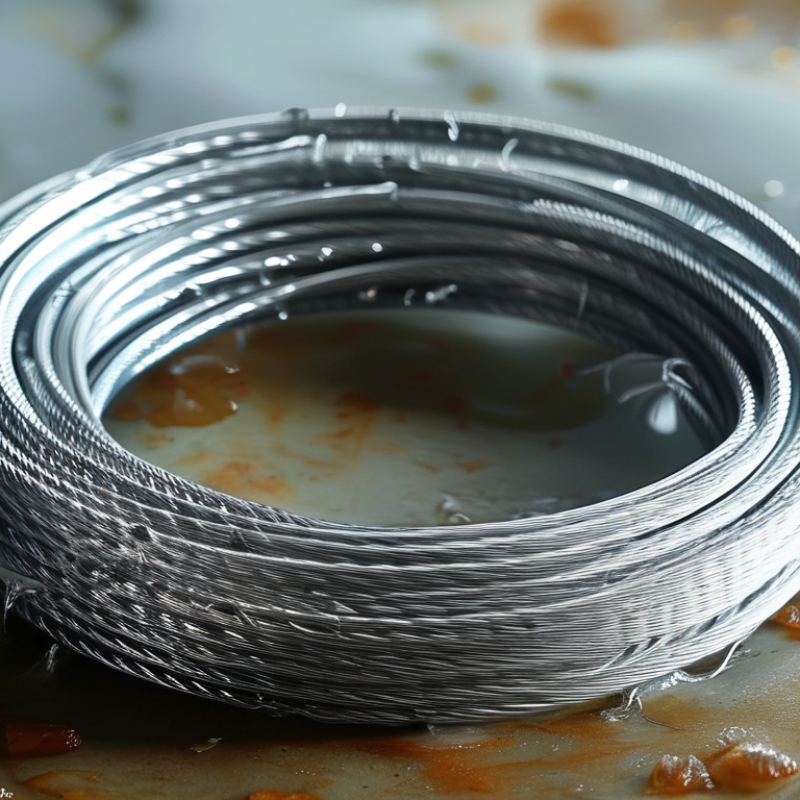
When selecting stainless steel wire, understanding the different grades is essential. The most common grades are 304 and 316. Grade 304 is known for its excellent corrosion resistance and is ideal for general use. It is perfect for environments that do not face harsh chemicals. On the other hand, 316 offers better protection against corrosive agents, especially in marine applications. Its ability to withstand chlorides makes it a preferred choice in saltwater settings.
Consider the specifics of your application. If your project involves food production or medical purposes, opt for 316. If the environment is less demanding, 304 might suffice. Each grade has unique properties that cater to different needs. Evaluate the longevity and durability required for your project. Think about the potential exposure to chemicals or extreme conditions.
**Tips**: Always ask for material certifications when purchasing. Knowledge of the grade can save you time and money. Remember, choosing the wrong grade may lead to rust or failure over time. Assess your environment carefully. Inadequate evaluation can result in costly replacements. Aim for informed decisions rather than quick fixes.
When choosing between 304 and 316 stainless steel, it’s crucial to recognize their distinct properties.
304 stainless steel is common in kitchen equipment and food processing. Its corrosion resistance is decent, making it suitable for indoor use. However, it lacks resistance to chloride environments. Reports indicate its usage is predominant in about 70% of all stainless steel applications.
316 stainless steel, on the other hand, shines in more demanding conditions. It contains molybdenum, enhancing its resistance to pitting and crevice corrosion. This characteristic is vital in marine environments, where salt exposure presents a risk. Industry data shows that 316 accounts for around 20% of stainless steel usage, particularly in pharmaceuticals and marine applications.
Consider the environment where the material will be used. If you expect prolonged exposure to corrosive substances, 316 is the better choice. However, for less harsh conditions, 304 might suffice. It's a trade-off between cost and performance. Reflecting on these aspects leads to a more informed decision tailored to specific needs.
When selecting stainless steel wire, understanding your application is crucial. The choice between 304 and 316 grades hinges on environmental factors. For example, 316 stainless steel includes molybdenum, enhancing its corrosion resistance in marine environments. According to a recent materials report, 316 stainless steel wire is recommended for applications exposed to saltwater or chemical environments.
Another factor to consider is tensile strength. Both 304 and 316 wires exhibit strong mechanical properties, but 316 typically has a higher strength at elevated temperatures. Industry data indicates that 316 can withstand temperatures above 800°F without losing its structural integrity. However, 304 is often sufficient for most general applications, offering excellent formability.
Cost is also a significant aspect. 316 stainless steel tends to be more expensive, reflecting its specialized performance traits. Ensure to weigh the benefits against the additional cost. Depending on your needs, it may not always justify the price increase. However, opting for lower-grade wire might lead to premature failure in specific conditions. Assessing your requirements thoroughly can prevent costly mistakes.
When choosing between 304 and 316 stainless steel wire, it's essential to understand their applications. 304 stainless steel wire is commonly used in kitchen equipment, food processing, and architectural applications. It offers good corrosion resistance and is cost-effective for many general purposes. For those in marine environments or pharmaceuticals, 316 stainless steel wire is the go-to option. Its increased molybdenum content makes it more resistant to saltwater and harsh chemicals.
Tips: Consider the environment in which you’ll use the wire. If it’s exposed to chlorine or seawater, 316 is a better choice. For less demanding tasks, 304 can be a practical and economical alternative.
Before finalizing your decision, evaluate your specific needs. Think about factors like corrosion, strength, and cost. Sometimes, the right choice seems unclear. Testing the materials in real-world conditions may offer insight into their performance. Always prioritize reliability and longevity, as these factors lead to better outcomes.
| Property | Stainless Steel 304 | Stainless Steel 316 |
|---|---|---|
| Corrosion Resistance | Moderate | High |
| Tensile Strength (MPa) | 520 | 580 |
| Temperature Resistance (°C) | 870 | 925 |
| Weldability | Good | Excellent |
| Main Applications | Kitchen equipment, food processing | Marine applications, chemical processing |
When comparing 304 and 316 stainless steel wire, cost and availability are significant factors. According to the Stainless Steel Association, 304 stainless steel is generally more affordable, with prices ranging from $2.00 to $3.00 per pound. In contrast, 316 stainless steel typically costs between $3.00 and $5.00 per pound, reflecting its added corrosion resistance due to molybdenum content. This price difference can influence decisions, especially for large-scale projects where budget constraints are critical.
Availability also varies between the two types. 304 stainless steel is widely produced and readily available in most industrial sectors. In contrast, 316 stainless steel, while still common, can be more difficult to source depending on location and demand. Industry reports indicate that 304 stainless steel comprises about 50% of all stainless steel production, making it a go-to choice for many applications. This can affect lead times for procurement, especially in urgent projects where timely sourcing is crucial.
Moreover, users should consider application requirements. For environments exposed to harsh chemicals or saltwater, 316 stainless steel is often preferred despite the higher cost. Its enhanced durability justifies the investment. However, in less demanding conditions, 304 may suffice, allowing for a more economical choice. Assessing both cost and availability is essential for informed decision-making.
: 304 stainless steel wire is widely used in kitchen equipment, food processing, and general construction.
Select 316 wire for marine environments or chemical exposure. It offers better corrosion resistance.
304 is generally more affordable, costing $2.00 to $3.00 per pound. 316 costs $3.00 to $5.00 per pound.
Its higher cost is due to increased molybdenum, which enhances its corrosion resistance.
Yes, 304 stainless steel is widely produced and available in most industrial sectors.
Evaluate corrosion resistance, strength, and cost. Sometimes, the best choice is not clear-cut. Testing may help.
Budget constraints matter greatly. The price differences impact decisions for larger scale applications.
304 may work, but it's not ideal for harsh chemicals or saltwater. 316 is better in those cases.
Availability impacts lead times. 304 is more common, while sourcing 316 can be slower in some areas.
Reliable materials lead to better outcomes. Longevity and durability are essential for successful projects.
When selecting stainless steel wire, understanding the differences between Stainless Steel Wire 304 and 316 is crucial. Both grades have unique properties; 304 is known for its excellent corrosion resistance in various environments, while 316 offers enhanced protection against chlorides, making it suitable for marine applications. Factors such as the intended use, environmental conditions, and cost will guide your choice.
In addition to applications ranging from construction to food processing, the availability and pricing of these wires can influence decision-making. Ultimately, whether opting for Stainless Steel Wire 304 or 316, it's essential to assess the specific requirements of your project to ensure optimal performance and longevity.

Mei Shen STEEL