In industrial projects, the selection of materials plays a crucial role in determining the overall success and durability of the infrastructure. Among the various options available, Ss304 316 Steel Pipe Fittings stand out due to their impressive properties. According to industry reports, stainless steel fittings are known for their high resistance to corrosion, making them a preferred choice in many environments, particularly those exposed to harsh conditions.
The demand for Ss304 316 Steel Pipe Fittings has increased notably, with a market growth rate projected at 5% annually. This growth stems from their excellent mechanical performance and adaptability across diverse applications, from petrochemical plants to water treatment facilities. Despite their benefits, selecting the right fittings can be a nuanced task. Factors like cost, availability, and specific project requirements must be balanced carefully.
Yet, some professionals overlook the importance of proper installation and maintenance, leading to potential failures. Investing time in understanding these materials can prevent costly mistakes. Ultimately, choosing Ss304 316 Steel Pipe Fittings supports long-term project viability. Their proven track record reinforces their status as a reliable option in modern engineering.
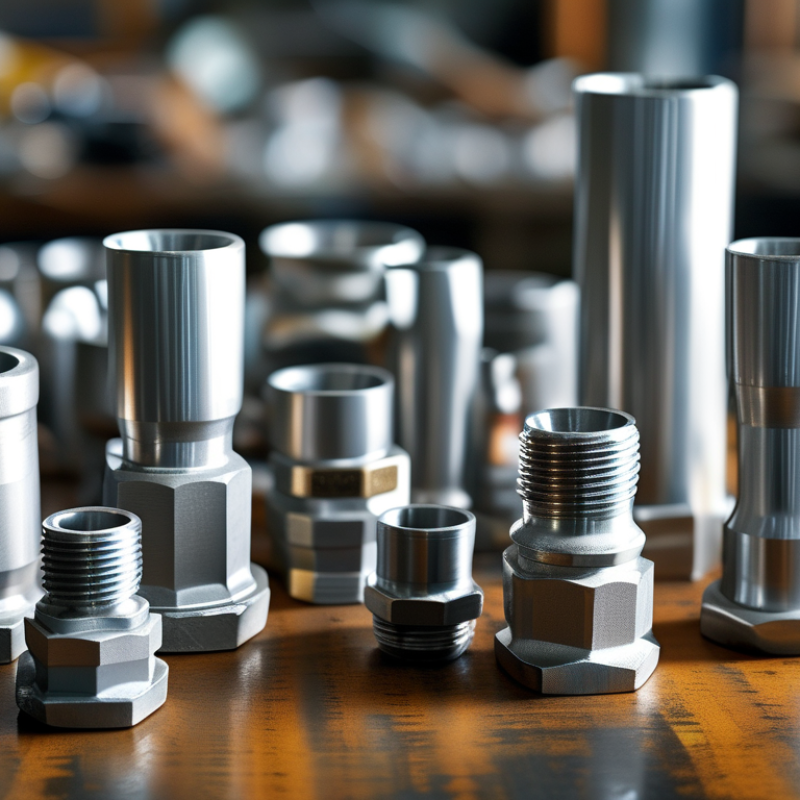
Benefits of Using SS304 and SS316 Steel Pipe Fittings in Industrial Applications
Choosing SS304 and SS316 steel pipe fittings for industrial applications brings numerous advantages. One primary benefit is their resistance to corrosion. SS304, often used in many environments, offers good resistance, while SS316 takes it a step further, particularly against chlorides. This makes SS316 ideal for marine applications or chemical processing. Its durability ensures longevity, which can reduce replacement costs over time.
When it comes to high-temperature uses, SS316 maintains strength and stability better than many other materials. This characteristic is crucial in industries where heat stress is a concern. Moreover, both stainless steel types are easy to clean and maintain. This feature is essential for hygiene in food processing or pharmaceutical sectors.
**Tip:** Always assess the specific requirements of your project before choosing between SS304 and SS316. Their properties cater to different needs, and a thoughtful choice can enhance your project's success.
Additionally, the manufacturing process of these steel fittings often includes quality certifications. Checking these certifications can ensure that you get reliable products. Remember, a seemingly small detail in your fittings can lead to significant operational issues. Choosing the right type from the start is vital for project efficiency.
Benefits of Using SS304 and SS316 Steel Pipe Fittings
Comparative Analysis: SS304 vs SS316 Properties and Corrosion Resistance
When choosing steel pipe fittings, the decision often narrows down to SS304 and SS316. Both grades offer unique advantages, particularly concerning corrosion resistance and overall durability. SS304 is a popular choice due to its excellent tensile strength and weldability. It performs well in everyday environments and is typically more cost-effective. However, it can face challenges in highly corrosive conditions.
In contrast, SS316 possesses superior corrosion resistance. It contains molybdenum, which significantly improves its performance in acidic environments. This makes SS316 better suited for marine applications or chemical processing plants. Users often appreciate its longevity, even when subjected to harsh conditions. Yet, SS316 is usually more expensive. Evaluating the specific requirements of your project is critical.
Tips: When selecting fittings, consider the environment they will face. A cost-effective solution might not always be the best choice. Sometimes, it pays off to invest in higher quality materials for enhanced performance. Observe environments closely. Reflect on your choices regularly to ensure optimal decision-making. Understanding these materials thoroughly can lead to better project outcomes.
Industry Standards and Certifications for SS304 and SS316 Pipe Fittings
When selecting materials for projects, understanding industry standards and certifications becomes crucial. SS304 and SS316 steel pipe fittings have gained acclaim for their durability and resistance to corrosion. According to the American Society for Testing and Materials (ASTM), these materials meet stringent standards, including ASTM A312 for seamless pipes, ensuring their reliability in demanding environments.
Certifications play a significant role in assuring quality. For instance, ISO 9001 certification is vital for manufacturers. This certification indicates a commitment to consistent quality management. A report by the International Organization for Standardization noted that organizations with this certification see an average improvement of 30% in operational efficiency. This level of assurance is essential when choosing pipe fittings that ensure safety and longevity in projects.
However, challenges remain in understanding the specific applications of SS304 and SS316. While SS304 is sufficient for many projects, SS316 is necessary for marine applications due to its higher nickel and molybdenum content. A study highlighted that improper selection could lead to premature failures in harsh environments. Knowing the specific requirements and standards can guide better decisions and improve project outcomes.
Cost-Effectiveness of SS304 and SS316 in Long-Term Project Planning
When planning a project, choosing the right materials is crucial.
SS304 and SS316 steel pipe fittings are top contenders for their cost-effectiveness.
According to the International Stainless Steel Forum, stainless steel accounts for about 10% of global steel production.
This usage reflects its durability and resistance to corrosion, making it a reliable choice for various industries, including construction and manufacturing.
The long-term value of SS304 and SS316 is notable.
SS304 offers a lower initial cost but lacks the corrosion resistance of SS316.
For example, projects in marine environments benefit significantly from SS316's higher nickel content.
Research indicates that choosing SS316 can reduce maintenance costs by up to 30% over time, offsetting the initial investment.
The longevity of these fittings often outweighs initial expense considerations.
However, it's crucial to evaluate specific project needs. Not every application requires the premium offerings of SS316.
Over-specifying materials can lead to waste and increased expenses.
Understanding the unique requirements of your project ensures the most cost-effective decision.
Data suggests that many projects experience budget overruns by failing to assess material needs accurately, highlighting the importance of informed planning.
Common Applications and Industries Utilizing SS304 and SS316 Pipe Fittings
SS304 and SS316 steel pipe fittings are widely used across various sectors due to their impressive corrosion resistance and strength. Industries such as chemical processing, food production, and pharmaceuticals utilize these fittings extensively. According to industry reports, SS316 offers superior resistance to chlorides compared to SS304, making it essential in marine environments and other chloride-rich locations.
In the food processing industry, stainless steel fittings help maintain sanitary conditions. They comply with strict food safety standards, ensuring no contaminants enter food products. A study indicated that the adoption of SS316 fittings increased overall reliability by 30% in facilities dealing with corrosive materials.
Tip: When choosing steel fittings, consider the specific environment. If your project involves exposure to saltwater or harsh chemicals, opt for SS316.
Applications in the chemical industry often demand high durability. Here, SS304 is sufficient for less aggressive chemicals, while SS316 excels with strong acids or bases. Some projects have faced failures due to incorrect material selection. Regular assessments can prevent costly downtime and improve project outcomes.
Tip: Always evaluate your project requirements and consult industry guidelines before selecting fittings. Proper decision-making reduces risks significantly.
FAQS
: SS304 is cost-effective with good tensile strength. SS316 offers superior corrosion resistance, especially in harsh environments.
Choose SS316 for projects in marine settings or when exposed to strong acids. It provides better longevity in these conditions.
Yes, SS304 meets food safety standards. It helps maintain sanitary conditions during food production and processing.
SS304 has a lower initial cost, but SS316 can reduce maintenance by up to 30%, offering long-term savings.
Common industries include chemical processing, food production, and pharmaceuticals due to their strength and corrosion resistance.
Selecting the wrong fittings can lead to failures and downtime, costing time and money in repairs or replacements.
Evaluate exposure to saltwater, harsh chemicals, or temperature variations as these impact the material's performance and lifespan.
Yes, it can result in waste and increased costs. Assess project requirements thoroughly to avoid unnecessary expenses.
Regular assessments help ensure optimal decision-making and reduce risks associated with material failures in projects.
Conclusion
Ss304 316 Steel Pipe Fittings are essential components in various industrial applications due to their remarkable corrosion resistance and durability. The benefits of using these fittings include their ability to withstand harsh environments, making them ideal for industries such as chemical processing, oil and gas, and food manufacturing. A comparative analysis reveals that while both SS304 and SS316 offer excellent properties, SS316 is particularly superior in more corrosive environments due to its higher nickel and molybdenum content.
In addition to their advantageous properties, SS304 and SS316 steel pipe fittings comply with industry standards and certifications, ensuring reliability and safety in projects. From a long-term cost perspective, investing in SS304 316 Steel Pipe Fittings can be economically beneficial, as their durability leads to reduced maintenance and replacement costs. Various sectors continue to utilize these fittings effectively, demonstrating their significance in modern industrial infrastructure.

 Mei Shen STEEL