How to Choose the Right 316 Stainless Steel Channel for Your Needs?

Time:2026-06-22 Author:Isabella
0%

Choosing the right 316 Stainless Steel Channel for your project can be challenging. As industry expert John Peterson states, "Understanding quality and specifications is key to making the right choice." This statement highlights the importance of knowing what to look for in a 316 Stainless Steel Channel.

316 Stainless Steel is known for its corrosion resistance and durability. It is a popular choice for marine and industrial applications. However, not all channels are created equal. Factors like size, shape, and finish matter. Understanding these elements allows for better decision-making.

Many overlook the significance of the channel's dimensions. A proper fit ensures structural integrity. An ill-fitting channel can lead to costly mistakes. Therefore, evaluating specific project needs is crucial. Take the time to assess materials and specifications. This careful consideration leads to successful outcomes in any project utilizing a 316 Stainless Steel Channel.
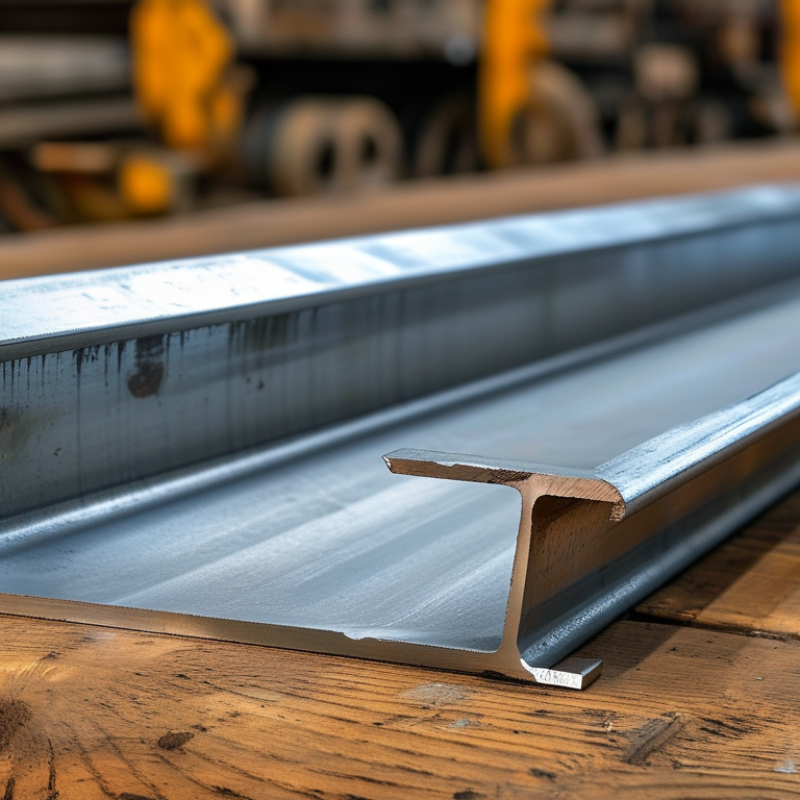
How to Choose the Right 316 Stainless Steel Channel for Your Needs?

Understanding the Basics of 316 Stainless Steel Channels

When exploring 316 stainless steel channels, it's essential to grasp their unique properties. This specific grade offers excellent corrosion resistance, making it suitable for harsh environments. Unlike lower grades, 316 steel contains molybdenum, enhancing its durability and strength. If you're in marine or chemical industries, this is a practical choice.

Tip: Always assess the environment where the channel will be used. If exposure to saltwater is likely, 316 stainless steel is a viable option. Its longevity can save costs in the long run.

Another important aspect is the size and shape of the channel. These channels come in various dimensions, impacting their load-bearing capacity. If you choose a channel that is too small, it may not support the project requirements. Always refer to engineering specifications for guidance.

Tip: Consult with a structural engineer when selecting types and sizes. Their expertise can prevent costly mistakes and guide you to the most appropriate 316 stainless steel channel. These insights are crucial for optimal use in construction and manufacturing.

Identifying Your Specific Application Requirements

When selecting a 316 stainless steel channel, understanding your specific application is crucial. This material is known for its corrosion resistance, making it ideal for marine and chemical environments. According to industry reports, 316 stainless steel provides superior performance in environments with high salinity. This is important for industries like shipbuilding and chemical processing.

Consider the dimensions of the channel you need. Width, height, and thickness matter. A channel that is too small may not support structural loads, while one that is too large can be unnecessarily heavy. Pay attention to design specifications and ensure your choice aligns with the project requirements.

Tips: Always review mechanical properties such as tensile strength and yield strength. These figures help predict performance under stress. Also, never overlook the importance of weldability. Some applications may require welding, and not all 316 stainless steels weld the same way. Testing small samples before full-scale production can prevent costly mistakes later on.

Evaluating the Dimensions and Specifications

When selecting a 316 stainless steel channel, dimensions and specifications are crucial. Understanding the size, thickness, and weight capacity ensures suitability for your project. According to the Stainless Steel Institute, 316 stainless steel exhibits excellent corrosion resistance and strength, making it ideal for harsh environments.

The channel's width and height determine its load-bearing capabilities. For example, a channel with a 3-inch width and a 2-inch height can support a different weight than a 6-inch by 4-inch channel. Industry data suggests that increasing channel dimensions may enhance performance, but it also raises costs significantly.

Working with a reliable supplier is essential. They should provide certified specifications to verify quality. Requesting material test reports can confirm chemical composition and mechanical properties. Many professionals note discrepancies in specifications from different manufacturers. Regular inspection of batch consistency could prevent future issues. Balancing specifications with budget constraints requires careful consideration and expertise.

How to Choose the Right 316 Stainless Steel Channel for Your Needs?

This chart illustrates the common dimensions and weight specifications of 316 stainless steel channels, helping you evaluate the right product for your needs.

Assessing Corrosion Resistance and Strength Features

When selecting a 316 stainless steel channel, assessing corrosion resistance is crucial. This alloy contains molybdenum, which enhances its resistance to pitting and crevice corrosion. This makes it ideal for marine applications and environments exposed to chemicals. Consider how the material will be used. Will it face constant moisture or harsh chemicals? Understanding the environment can significantly influence your choice.

Strength features should not be overlooked. 316 stainless steel has a high tensile strength, allowing it to support heavy loads. It performs well at elevated temperatures, yet its structural integrity may diminish in extreme conditions. Analyze the weight-bearing needs of your project. Review structural calculations when necessary. Balancing strength with corrosion resistance may require some trade-offs.

Choosing the right channel isn't merely about specifications. Real-world testing can reveal nuances not found in the datasheet. Changes in temperature or environment can alter performance unexpectedly. Engaging with specialists or engineers can provide valuable insights. Their expertise helps navigate these challenges, ensuring you select the most suitable channel for your needs.

Comparing Manufacturers and Cost Considerations

When selecting 316 stainless steel channels, understanding manufacturer options and cost factors is essential. Various manufacturers offer differing quality levels, affecting long-term performance. A report by the Stainless Steel Industry Association indicates that overall production quality varies significantly. This can lead to differences in corrosion resistance, tensile strength, and overall durability. To ensure reliability, select suppliers known for rigorous quality control and industry certifications.

Cost considerations also play a critical role in the decision-making process. Steel pricing can fluctuate based on market demand, production costs, and material quality. According to a recent market analysis, prices for 316 stainless steel have risen by approximately 15% over the past year. It's important to weigh these costs against the potential lifespan of the material. A lower-priced channel might save money upfront but could result in additional expenses due to corrosion or failure.

In addition, some manufacturers may offer less transparency in pricing models. This can lead to confusion about the true cost of the materials. Always compare quotes and seek clarity on pricing structures. Consider both the initial costs and the long-term implications of your choices. Not all channels labeled as 316 stainless steel may meet the same standards, so due diligence is critical.

FAQS

: What are the key properties of 316 stainless steel channels?

: 316 stainless steel channels have excellent corrosion resistance and enhanced durability due to molybdenum content.

In which industries is 316 stainless steel commonly used?

It is applicable in marine and chemical industries, where harsh environments are frequent.

How does channel size affect its performance?

The size and shape impact load-bearing capacity. A channel that is too small won't meet project needs.

Why is it important to consult a structural engineer?

A structural engineer can provide insights on the appropriate channel types and sizes, avoiding costly mistakes.

How do manufacturer quality levels affect 316 stainless steel channels?

Different manufacturers have varying quality, impacting corrosion resistance and overall durability. Higher quality often means better performance.

What should buyers consider regarding pricing?

Buyers must analyze initial costs against potential long-term expenses due to corrosion and failure.

Why is transparency in pricing important?

Lack of transparency can confuse actual material costs. Clear quotes help in making informed decisions.

How can market fluctuations affect steel prices?

Pricing can change due to market demand and production costs. Recent analyses show a 15% price increase over the past year.

What risks exist with low-priced channels?

Cheaper channels may save upfront but could lead to future costs from corrosion or structural failures.

Why is due diligence crucial when selecting stainless steel channels?

Not all channels labeled as 316 meet the same standards. Research is necessary to ensure quality and reliability.

Conclusion

Choosing the right 316 stainless steel channel for your needs involves understanding the material's fundamentals and how it aligns with your specific application requirements. Begin by identifying the intended use of the channel, as this will influence many factors, including dimensions, specifications, and the physical demands the channel must endure.

Next, evaluate the dimensions and specifications of various options, ensuring they meet your project's requirements. It’s crucial to consider the corrosion resistance and strength features of 316 stainless steel, particularly in environments prone to harsh conditions. Lastly, comparing different manufacturers and assessing cost considerations will help you find the best value for your investment, ensuring that the 316 stainless steel channel you choose is both effective and economical for your application.


Isabella

Isabella

Isabella is a dedicated marketing professional with a sharp focus on driving brand growth and engagement through strategic content creation. With an extensive background in digital marketing, she combines her passion for storytelling with her keen understanding of industry trends to deliver......