How to Choose the Best 316l Stainless Steel Belt for Your Needs?

Time:2026-06-19 Author:Amelia
0%

Choosing the right 316L stainless steel belt is crucial for various applications. This versatile material offers excellent corrosion resistance and durability. It is commonly used in industries like food processing and medical devices, where hygiene is paramount.

When selecting a 316L stainless steel belt, consider specific needs, including width and length. The belt's thickness can impact its strength and flexibility. Each application may require different specifications. Do not overlook details that seem minor.

Consulting with experts can provide insights and reduce mistakes. Manufacturers often offer guidance based on their experience. It is essential to weigh options carefully. A well-chosen 316L stainless steel belt can improve efficiency and safety in your operations.
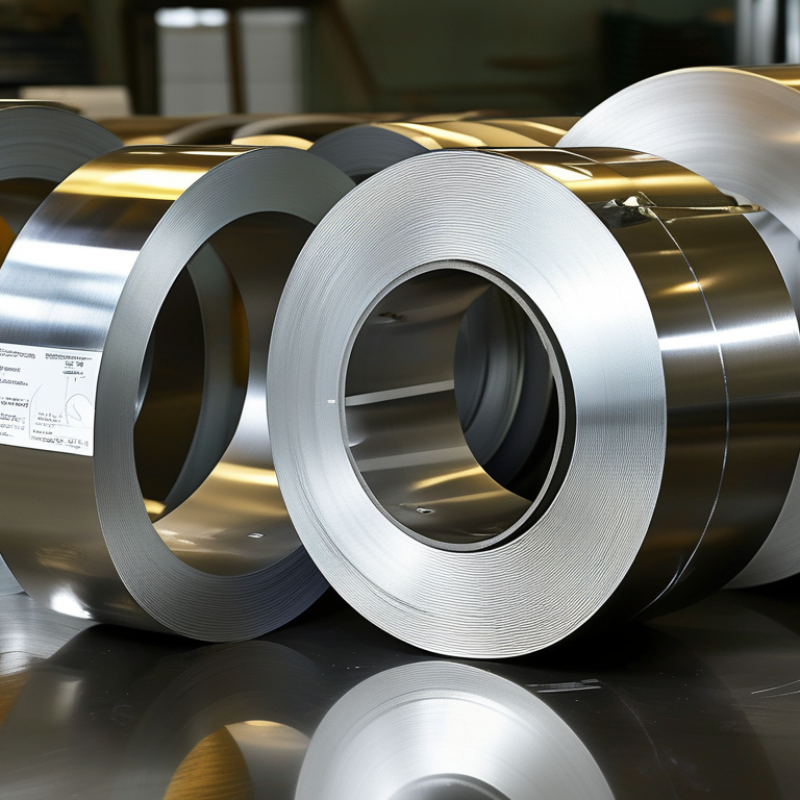
How to Choose the Best 316l Stainless Steel Belt for Your Needs?

Understanding 316L Stainless Steel: Properties and Benefits

316L stainless steel is known for its excellent corrosion resistance. This makes it ideal in harsh environments. It contains low carbon content, which minimizes the risk of corrosion. According to industry reports, 316L has a pitting resistance equivalent number (PREN) of up to 31, making it suitable for even the most aggressive settings.

This material also offers durability and strength. Its tensile strength generally ranges from 480 to 600 MPa. This means it can withstand significant stress without deforming. Additionally, 316L stainless steel is non-magnetic, which is critical in many application sectors. The versatility is evident across industries from construction to food processing. However, while 316L is robust, it requires proper care to maintain its properties. Without regular inspection and maintenance, even this quality steel can lose its effectiveness over time.

In evaluating your choice, consider the specific environment. Is it exposed to seawater or chemicals - like acid? Real-life examples show that neglecting these factors can lead to unexpected failures. Investing in a quality 316L stainless steel belt demands a careful assessment of your usage conditions. Proper understanding can prevent costly errors down the line.

Identifying Your Specific Needs for a Stainless Steel Belt

Choosing the right stainless steel belt requires careful consideration of your specific needs. 316L stainless steel is known for its excellent corrosion resistance and durability, making it popular in various industries. According to industry reports, over 50% of manufacturing sectors prefer 316L for its robustness in challenging environments.

Identify the primary application for the belt. Are you using it in food processing, pharmaceutical, or another sector? Each application demands different specifications. For instance, belts in food processing need to meet strict hygiene standards, while those in pharmaceutical applications require resistance to harsh chemicals. Understanding these applications helps in making an informed decision.

Tips: Assess the environmental factors like temperature and exposure to chemicals. Consider flexibility and strength—too much rigidity can lead to breakage under stress. Additionally, check the belt's design for ease of maintenance. If you find discrepancies in quality while reviewing options, reflect on the trade-offs between cost and performance. This is where your unique needs guide your choice.

Key Factors to Consider When Choosing a Stainless Steel Belt

When selecting a 316L stainless steel belt, several key factors come into play. Corrosion resistance is crucial. The low carbon content in 316L makes it ideal for harsh environments. This grade of stainless steel performs well in marine and chemical applications. In fact, reports indicate that 316L can resist corrosion in saltwater for up to 15 years.

Another important consideration is the width and thickness of the belt. Depending on your application, a thicker belt may be necessary for increased strength. For precision tasks, a thinner belt can provide better flexibility. Balance is vital here; a belt too thick might hinder agility, while one too thin may not withstand stress.

Tip: Always check the tensile strength specifications. This will help you gauge how much load the belt can handle without failure.

Lastly, pay attention to the belt’s finish. A smooth finish can enhance resistance to wear and tear, prolonging the belt's lifespan. However, some finishes may compromise grip. There's often a trade-off between durability and usability that users must weigh. As always, continuous feedback from users helps in choosing the best options available.

Comparing Different Brands and Models of 316L Stainless Steel Belts

Choosing the right 316L stainless steel belt involves more than just aesthetics. Different brands and models cater to various needs in industries like food processing, pharmaceuticals, and manufacturing. According to a recent industry report, 316L stainless steel is preferred for its corrosion resistance and ability to withstand extreme conditions.

When comparing models, consider the belt's thickness and weave type. A tighter weave can enhance durability, while a thicker belt often supports heavier loads. Industries vary; for example, food-grade belts require smooth surfaces to prevent contamination. In contrast, industrial applications may prioritize strength over hygiene.

Looking at brand reviews, users often highlight the importance of customer service and warranty offerings. Some brands may fall short in these areas, leading to buyer frustration. Industry professionals emphasize the need for long-term reliability. Regular maintenance can prolong the life of these belts, but the initial choice matters too. Therefore, assess the specifications carefully before making a decision.

Comparison of Various Characteristics of 316L Stainless Steel Belts

This bar chart illustrates the performance characteristics of 316L stainless steel belts, highlighting aspects such as corrosion resistance, durability, flexibility, cost, and weight. The values represent a comparative evaluation of these key features, aiding in selecting the best belt for specific needs.

Maintenance Tips for Extending the Lifespan of Your Belt

Maintaining your 316l stainless steel belt is essential for maximizing its lifespan. Regular cleaning is key. Use mild soap and warm water to wipe down the surface. A soft cloth can prevent scratches. Avoid abrasive materials that can damage the finish. Even small scratches can collect dirt and moisture over time.

Inspect your belt periodically for signs of wear or damage. Look for corrosion spots or loose clasps. Addressing these issues early is crucial. A little attention can save you from costly replacements later. Store your belt in a dry place. Moist environments can lead to rust, even on stainless steel. It’s essential to think about the environment where your belt is used.

Occasionally, apply a light coat of oil to the moving parts. This helps reduce friction and prolongs functionality. Pay attention to the fittings as well. A well-maintained belt ensures better performance. Remember, belts can lose their effectiveness if neglected. Regular care will enhance both durability and appearance.

FAQS

: How do I choose the right stainless steel belt?

: Identify your specific application first, such as food processing or pharmaceuticals. Requirements can vary greatly.

What is 316L stainless steel known for?

It offers excellent corrosion resistance and durability, making it a popular choice in tough environments.

What maintenance is required for a stainless steel belt?

Regular cleaning with mild soap and warm water is essential. Use a soft cloth to prevent scratches.

How often should I inspect my belt?

Periodic inspections are crucial. Look for wear, corrosion spots, or loose clasps to prevent further damage.

What if I notice small scratches on my belt?

Small scratches can trap dirt and moisture. Addressing them early can prevent larger issues later.

How should I store my stainless steel belt?

Store it in a dry place. Moist environments can lead to rust, compromising its effectiveness.

Can I use abrasive materials for cleaning?

No, avoid abrasive materials. They can damage the finish and decrease the lifespan of your belt.

Why is flexibility important in a stainless steel belt?

Excessive rigidity can cause breakage. It's vital to balance flexibility and strength for optimal performance.

What are common signs of wear in a belt?

Look for corrosion, loose clasps, and unusual noises during operation. These indicate maintenance needs.

How does environmental exposure affect durability?

Exposure to chemicals and extreme temperatures can shorten a belt’s lifespan. Consider these factors in your choice.

Conclusion

When selecting the best 316L stainless steel belt for your needs, it's essential to first understand the properties and benefits of 316L stainless steel, which is renowned for its corrosion resistance and durability. Identifying your specific requirements—such as the environment in which the belt will be used and the type of materials it will come into contact with—will guide your decision-making process.

Additionally, key factors to consider include the belt's width, thickness, and design, as well as any certifications it may carry. Comparing different models can help you find a versatile 316L stainless steel belt that meets your demands. Finally, implementing proper maintenance practices will ensure the longevity and performance of your belt, making it a worthwhile investment for your applications.


Amelia

Amelia

Amelia is a seasoned marketing professional with a wealth of expertise in our company’s core offerings. With an unwavering passion for driving growth and innovation, she plays a pivotal role in shaping our marketing strategies and enhancing brand visibility. A key aspect of her responsibilities......