Why Choose 304 Stainless Steel Belt for Your Industrial Needs?

Time:2026-06-07 Author:Ethan
0%

The selection of materials plays a vital role in industrial applications. Among various options, the 304 Stainless Steel Belt stands out as a preferred choice. Known for its excellent corrosion resistance, this material ensures longevity and durability. Industries ranging from food processing to pharmaceuticals rely on it for effective transport and processing.

Furthermore, the versatility of the 304 Stainless Steel Belt is impressive. It withstands high temperatures, making it suitable for diverse environments. Its strength allows for heavy loads without deformation, which is critical in industrial settings. Yet, some may overlook the importance of proper maintenance. Like any equipment, it requires regular inspections to prevent unexpected failures.

Ultimately, investing in a 304 Stainless Steel Belt can enhance operational efficiency. With its proven reliability and performance, it represents a solid choice for those seeking to optimize their industrial needs. However, users must remain aware of the specific requirements for their applications to fully benefit from this material. Understanding these nuances can make all the difference in achieving desired outcomes.
Why Choose 304 Stainless Steel Belt for Your Industrial Needs?

Overview of 304 Stainless Steel and Its Properties

304 stainless steel is widely used in various industries due to its unique properties. This alloy contains chromium and nickel, which enhance its corrosion resistance. It is non-magnetic and has excellent weldability, making it ideal for fabrication. Its durability ensures that it can withstand harsh environments, such as those found in kitchens and chemical processing plants.

The versatility of 304 stainless steel is remarkable. Its strength allows it to be used in demanding applications without compromising performance. However, it might not be suitable for every situation. High chloride exposure can lead to pitting corrosion. Users should assess their specific needs, ensuring that 304 steel aligns with operational conditions.

Moreover, while 304 stainless steel is generally cost-effective, the initial investment can be higher than other materials. This aspect requires careful budgeting and consideration of long-term benefits. It's essential to weigh the pros and cons before making a decision. Identifying the right use cases for 304 stainless steel can lead to enhanced productivity and lower maintenance costs in the long run.

Comparison of 304 Stainless Steel Properties

This bar chart illustrates the key mechanical properties of 304 stainless steel, which makes it a favored choice for various industrial applications. These values highlight its strength, ductility, and hardness, underscoring its suitability for environments where durability is essential.

Benefits of Using 304 Stainless Steel Belts in Industry

304 stainless steel belts offer numerous advantages for industrial applications. This material is known for its excellent resistance to corrosion and oxidation. It performs well in harsh environments. This makes it suitable for food processing, chemical handling, and more. The durability of 304 stainless steel ensures a long life, reducing the need for frequent replacements.

In addition to its durability, 304 stainless steel is easy to clean. This is crucial in industries where hygiene is a priority. Using these belts helps maintain sanitary conditions. Another benefit is their ability to withstand high temperatures. This feature is essential in processes that involve heat exposure. However, not all applications may require these characteristics, prompting a review of specific needs.

Another point to consider is cost. While 304 stainless steel belts are an investment, their longevity can offset initial expenses. Industrial budgets should account for the balance between upfront costs and long-term savings. Evaluating all aspects can lead to better decision-making. Ensuring the right fit for specific operations is vital for optimal performance.

Common Applications of 304 Stainless Steel Belts

304 stainless steel belts are increasingly popular in various industries due to their durability and corrosion resistance. They are often used in food processing, pharmaceuticals, and manufacturing. Their ability to withstand extreme temperatures makes them ideal for high-demand applications.

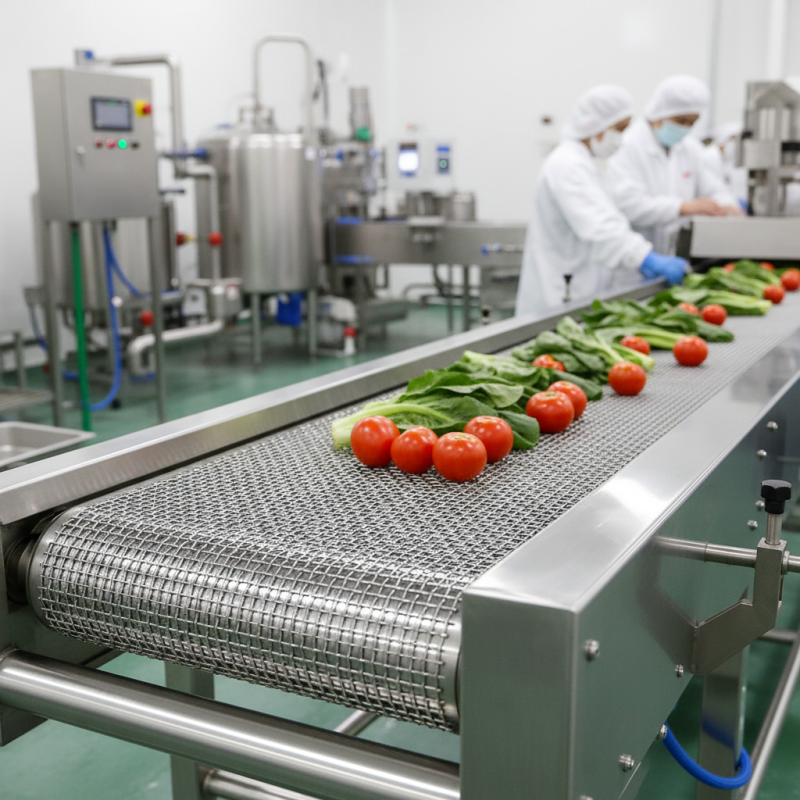
In food processing, 304 stainless steel belts are essential. They prevent contamination while providing strength. Whether in conveyor systems or processing machinery, they ensure hygiene and efficiency. The material's non-reactive nature keeps food safe during production.

When using 304 stainless steel belts, proper maintenance is key. Regularly inspect for wear and tear. Clean them frequently to avoid buildup. This helps in prolonging their life and performance. A thorough cleaning routine can prevent rust and extend usability.

Keep in mind that while 304 stainless steel offers many advantages, it is not perfect. It may corrode in harsh environments, especially with chloride exposure. Ultimately, evaluating your specific needs will guide your choice. Always consider the working conditions before deciding.

Maintenance and Care for 304 Stainless Steel Belts

When it comes to 304 stainless steel belts, maintenance is crucial for performance. Regular cleaning helps prevent rust and corrosion. Use a mild detergent and water to clean the surface. Make sure to rinse thoroughly. Dry the belt immediately with a soft cloth to avoid water spots.

Inspect the belt frequently for signs of wear. Look for surface scratches or dents. These can lead to bigger issues over time. If you notice any damage, address it promptly. This will extend the life of your belts and ensure smooth operation.

Storing the belts properly is also important. Keep them in a cool, dry place to prevent oxidation. Avoid exposing them to harsh chemicals or extreme temperatures. Regular maintenance may seem tedious, but it pays off in the long run. A little care can keep your 304 stainless steel belts performing at their best.

Why Choose 304 Stainless Steel Belt for Your Industrial Needs? - Maintenance and Care for 304 Stainless Steel Belts

Feature Description Benefits Maintenance Tips
Corrosion Resistance 304 stainless steel offers excellent resistance to a wide range of chemicals and environments. Increased longevity of the belt and reduced replacement costs. Regularly inspect for signs of wear and clean with mild detergents.
Temperature Tolerance Can withstand high-temperature applications without losing structural integrity. Versatile for various industrial processes including food processing. Avoid sudden temperature shocks to maintain its durability.
Smooth Surface The surface finish minimizes friction, enhancing the efficiency of materials handling. Improved operational efficiency and reduced energy consumption. Keep the surface free of debris and perform regular lubrication.
Ease of Fabrication 304 stainless steel can be easily welded and formed to meet specific industrial requirements. Allows for customization in design, ensuring the best fit for operations. Follow correct welding techniques and avoid excessive heat input.
Health Safety 304 stainless steel is non-toxic, making it safe for food and pharmaceutical applications. Ensures compliance with health regulations in sensitive industries. Use food-safe cleaning agents and ensure regular sanitization.

Comparing 304 Stainless Steel with Other Stainless Steel Grades

When choosing materials for industrial applications, stainless steel grades stand out. 304 stainless steel is highly regarded for its balance of strength and corrosion resistance. But how does it compare with other grades? The differences can significantly impact your projects.

304 stainless steel is often preferred over 316 due to its lower cost. However, 316 offers better resistance to chlorides. This makes it ideal for marine environments. While some industries require the performance of 316, others may find 304 sufficient. It is vital to assess your specific needs before making a choice.

Other grades, such as 430, provide good corrosion resistance but are less durable. They may be better for less demanding environments. Choosing the right grade involves trade-offs. You need to weigh cost against performance. Understand your environmental factors to avoid costly mistakes. Not all situations warrant the highest grade stainless steel. Sometimes, cost-effective choices lead to satisfactory results.

FAQS

: What are the key properties of 304 stainless steel?

: 304 stainless steel is corrosion-resistant, non-magnetic, and durable. It is also easy to weld and clean.

In which industries is 304 stainless steel commonly used?

This alloy is popular in food processing, pharmaceuticals, and manufacturing due to its strength and hygiene.

How does 304 stainless steel perform in high temperatures?

It can withstand high temperatures, making it suitable for demanding applications involving heat exposure.

Are there any limitations of 304 stainless steel?

Yes, it may face pitting corrosion in environments with high chloride exposure.

Is maintenance important for 304 stainless steel belts?

Absolutely, regular inspection and cleaning are crucial to prevent rust and prolong the lifespan.

What should I consider regarding the cost of 304 stainless steel?

While the initial cost may be higher, its durability can lead to long-term savings. Weigh pros and cons carefully.

How does 304 stainless steel ensure hygiene in food processing?

Its non-reactive nature prevents contamination and maintains sanitary conditions during food production.

Should I assess my operational conditions before using 304 stainless steel?

Yes, evaluating specific needs is vital to determine if 304 stainless steel aligns with your operational requirements.

What is the importance of proper maintenance routines?

A thorough cleaning routine prevents buildup and ensures optimal performance and longevity of the belts.

Can 304 stainless steel be suitable for every application?

No, it has limitations and may not be ideal for extreme conditions. Always evaluate before deciding.

Conclusion

The 304 Stainless Steel Belt is widely recognized for its exceptional properties, making it a prime choice in various industrial applications. Known for its corrosion resistance, durability, and ease of fabrication, 304 Stainless Steel is ideal for environments that require reliable and robust materials. The benefits of using 304 Stainless Steel Belts include their ability to withstand harsh conditions while maintaining structural integrity, which makes them suitable for food processing, pharmaceuticals, and chemical manufacturing.

Furthermore, proper maintenance and care for 304 Stainless Steel Belts can significantly extend their lifespan and performance. Compared to other stainless steel grades, 304 offers a balanced combination of strength and versatility, solidifying its position as a preferred option in many industries. Overall, the 304 Stainless Steel Belt stands out as an essential component that caters to the demanding requirements of modern industrial applications.


Ethan

Ethan

Ethan is a seasoned marketing professional with a deep expertise in our company's innovative product line. With a passion for sharing knowledge and insights, he takes the lead in regularly updating our corporate blog, where he explores industry trends, product features, and effective marketing......