China Best Hastelloy Plates Supplier for Global Buyers?

Time:2026-09-10 Author:Amelia
0%

China Best Hastelloy Plates Supplier for Global Buyers? This question deserves more than a low-price comparison. Hastelloy Plates serve demanding equipment in chemical processing, pollution control, energy, and marine environments. Their value depends on corrosion resistance, alloy chemistry, heat treatment, surface condition, and traceable inspection records.

The U.S. Geological Survey’s Mineral Commodity Summaries 2025 reported global nickel mine production of roughly 3.7 million metric tons in 2024. Nickel availability affects alloy pricing, but it does not prove plate quality. A reliable supplier must connect raw-material certificates with finished-product performance. That includes PMI verification, tensile testing, hardness checks, ultrasonic examination, and dimensional inspection. ASTM B435 covers nickel-molybdenum-chromium alloy plate, sheet, and strip requirements. Buyers should also review the applicable ASME specifications for pressure equipment.

Details matter. A plate may look bright while hiding lamination, edge cracks, or inconsistent thickness. Ask for heat numbers, mill test certificates, inspection plans, and production photographs. Good suppliers can explain whether the material is cold rolled, hot rolled, solution annealed, or pickled. They should also clarify alloy grades, including Hastelloy C-276, C-22, and B-2, because each responds differently to specific media.

Price is only one signal.

China has a broad metal-processing base and many exporters. However, supplier capability varies significantly. This guide evaluates manufacturing experience, certification control, export reliability, packaging, and technical communication. Reports and standards offer useful evidence, but they cannot replace a factory audit or independent testing. That limitation deserves attention. Global buyers should verify every critical claim before placing a large order.
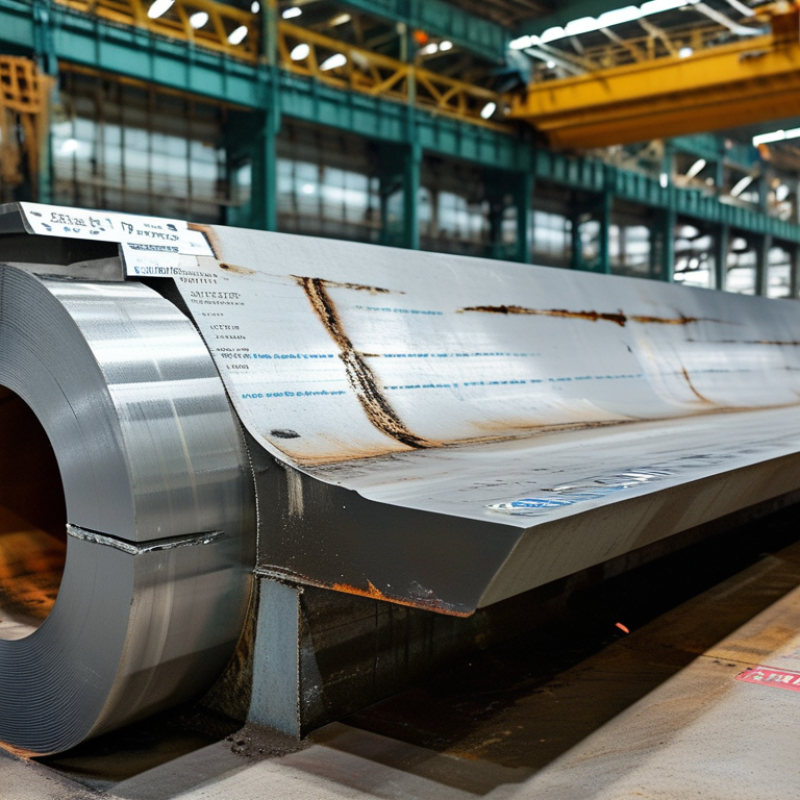
China Best Hastelloy Plates Supplier for Global Buyers?

What Are Hastelloy Plates and Why Are They Used?

China Best Hastelloy Plates Supplier for Global Buyers?

What Are Hastelloy Plates and Why Are They Used?

Hastelloy plates are nickel-based alloy plates designed for severe corrosion and heat. Their chromium, molybdenum, and iron content helps resist acids, chlorides, and localized attack. In practical service, a plate may face hot sulfuric acid, salt spray, or repeated cleaning cycles. Ordinary stainless steel can weaken quickly under these conditions. Hastelloy alloys usually offer better stability, although performance depends on grade, temperature, welding, and surface condition.

The NACE IMPACT study estimated global corrosion costs at about 3.4% of worldwide GDP. That figure explains why chemical, offshore, energy, and pollution-control facilities select higher-alloy materials. The report also noted that proper corrosion management could reduce losses by 15% to 35%. These savings are not automatic. Poor welding or incorrect grade selection can still cause early failure. ASTM B435 provides requirements for nickel-alloy plate, sheet, and strip, including chemical composition and mechanical properties. Buyers should request mill test certificates, heat numbers, tensile results, and corrosion-related inspection records. The U.S. Geological Survey reported global nickel mine production near 3.6 million metric tons in 2023. That statistic reflects raw-material supply, not plate quality. It is worth remembering. A reliable supplier must connect material data with actual service conditions, not only offer a low price.

What Are Hastelloy Plates and Why Are They Used?

Hastelloy plates are nickel-based corrosion-resistant alloy products used in chemical processing, pollution control, power generation, and other severe environments. The chart compares typical nominal chromium, molybdenum, and tungsten contents by mass for commonly specified Hastelloy alloy grades; the remaining composition is primarily nickel and other alloying elements.

Typical nominal composition values in wt.%; exact limits vary by specification, product form, and heat analysis. Higher molybdenum and chromium levels generally support resistance to reducing and oxidizing corrosive media, while tungsten can further improve localized corrosion resistance.

Key Hastelloy Grades, Properties, and Applications

Hastelloy plates are nickel-based alloys designed for severe corrosion environments. Their performance depends on grade selection, temperature, concentration, and welding conditions. C-276 offers broad resistance to chlorides, acids, and localized corrosion. C-22 performs well in mixed oxidizing and reducing media. B-2 is often chosen for strong reducing acids, especially hydrochloric acid. Each grade solves a different problem.

A practical buyer should match the plate to actual service conditions, not only a chemical name. A processing vessel may face hot acid, welding heat, and chloride contamination at the same time. In such cases, chromium, molybdenum, and tungsten levels deserve close review. C-276 plates commonly serve scrubbers, chemical reactors, pollution-control equipment, and heat exchangers. C-22 plates suit pharmaceutical, chemical, and waste-treatment systems where corrosion resistance must remain stable after fabrication.

Quality evidence matters. Ask for heat numbers, chemical analysis, mechanical results, and traceable inspection records. Positive material identification can confirm the delivered grade before cutting. Ultrasonic testing may reveal internal discontinuities in thicker plates. Surface condition also matters; scratches can become starting points for corrosion. Plate flatness and thickness tolerance should be checked against the purchase specification. One detail is easy to miss. Welding procedure qualification is equally important, because a suitable plate can still fail after careless fabrication. In my experience, low price attracts attention first, but incomplete documentation creates the greater risk. Even experienced buyers should review the service data again; assumptions about temperature or contaminants are sometimes wrong.

How to Evaluate a China-Based Hastelloy Plate Supplier

A reliable China-based Hastelloy plate supplier should prove quality before discussing price. Request the mill certificate, heat number, chemical analysis, mechanical results, and ultrasonic testing records. Match every value with ASTM B- or ASME SB-series requirements. Traceability matters when plates face chloride, acids, or high temperatures.

USGS Mineral Commodity Summaries 2024 estimated global nickel mine production at 3.6 million metric tons in 2023. That scale does not guarantee stable alloy supply. Ask how the supplier manages nickel price changes, raw-material storage, and production scheduling. Check plate thickness tolerance, surface condition, cutting accuracy, packaging, and actual export lead times. Visit the factory if possible. Photos are useful, but incomplete.

Tips: Order a small trial batch first. Send samples to an independent laboratory for chemical verification, hardness testing, and corrosion evaluation. Confirm the inspection scope before payment. ISO 9001 certification helps, but it cannot replace heat-level traceability or independent testing. I would also compare three quotations using the same specification. A cheaper offer may exclude testing, edge protection, or seaworthy packaging. No scorecard is perfect. My own evaluation can miss delayed documentation or inconsistent communication, so record every promise in the purchase contract.

Quality Standards, Testing, and Certification Requirements

For global buyers, a capable China-based Hastelloy plate supplier must prove quality beyond a polished website. ASTM B575 or the applicable ASME specification should define chemistry, dimensions, heat treatment, and mechanical performance. The certificate must identify the heat number, manufacturing route, and inspection results. Traceability matters.

Testing should match the service environment. Positive material identification confirms nickel, chromium, molybdenum, and tungsten levels. Tensile testing checks strength and elongation. Hardness, bend testing, and ultrasonic examination can reveal processing defects. For sour-service equipment, NACE MR0175/ISO 15156 requirements may also apply. Not every project needs every test.

A useful warning.

The USGS Mineral Commodity Summaries 2024 reported about 3.6 million metric tons of global nickel mine production in 2023. Nickel supply can shift, so heat-level verification remains important. I would request EN 10204 3.1 documentation, or 3.2 inspection when independent verification is required. A certificate alone is not proof of plate quality. Compare it with PMI readings, heat-treatment records, and third-party reports. One weak point remains: buyers sometimes specify “Hastelloy” without naming the UNS grade. That ambiguity can invalidate an otherwise complete inspection package.

Ordering, Export, and After-Sales Considerations for Global Buyers

Choosing the best Hastelloy plate supplier in China requires more than comparing prices. Buyers should review alloy grade, plate thickness, surface finish, and production capacity. Request material test certificates with heat numbers and chemical results. Independent inspection can verify dimensions, hardness, and surface quality before shipment. Small differences matter in pressure equipment and corrosive environments.

Export planning should begin before production. Confirm the trade term, port, packing method, and document list in writing. Strong wooden cases, moisture protection, and clear steel tags reduce handling risks. Required documents may include the commercial invoice, packing list, mill certificate, inspection report, and certificate of origin. Customs requirements vary by destination, so local verification remains necessary. A cheaper freight option may create delays. I have seen this overlooked.

Tips: Use a written purchase specification. Include tolerances, testing standards, quantity, and delivery dates. Ask for production photos and inspection records. Keep one communication channel for technical changes. After-sales support should define claims, response time, replacement terms, and evidence requirements. Photos alone may not explain a failure. Preserve packaging, labels, and test results. Some buyers focus heavily on delivery and forget installation conditions, which can complicate later responsibility. A clear contract helps, but it cannot replace careful receiving inspection.

FAQS

: What are Hastelloy plates used for?

: They serve severe corrosion environments. Common uses include reactors, scrubbers, heat exchangers, and waste-treatment equipment.

How should I choose the correct alloy grade?

Match the plate to temperature, acid concentration, chlorides, and oxidation conditions. Do not rely on the chemical name alone. Welding conditions also matter.

Why do chromium, molybdenum, and tungsten matter?

These elements support resistance against acids, chlorides, and localized corrosion. Their importance changes with service conditions. More alloying does not automatically mean better performance.

What documents should a supplier provide?

Request heat numbers, chemical analysis, mechanical results, and traceable inspection records. Ask for ultrasonic testing records when plates are thick. Missing documents create serious uncertainty.

How can I verify the delivered plate?

Use positive material identification before cutting. An independent laboratory can check chemistry, hardness, and corrosion performance. Start with a trial batch.

What physical details should I inspect?

Check thickness tolerance, flatness, surface condition, cutting accuracy, and edge protection. Small scratches can become corrosion starting points. Photos are not proof.

How can I evaluate a China-based supplier?

Compare three quotations using identical specifications. Review production schedules, raw-material storage, packaging, and actual export lead times. A factory visit can help, but it is not conclusive.

Can certification alone prove supplier reliability?

No. Quality certification supports process control, but it cannot replace heat-level traceability. Independent testing remains valuable. I would still recheck every promise in the contract.

Conclusion

Hastelloy Plates are high-performance nickel-based alloy plates designed to withstand severe corrosion, high temperatures, and demanding chemical environments. Different grades offer varying levels of resistance to pitting, oxidation, stress corrosion cracking, and aggressive acids, making them suitable for chemical processing equipment, oil and gas facilities, power generation systems, pollution-control units, and marine applications. Selecting the right grade depends on operating temperature, chemical exposure, mechanical requirements, and fabrication conditions.

For global buyers, evaluating a China-based supplier requires attention to manufacturing capacity, material traceability, dimensional accuracy, surface quality, and technical support. Reliable suppliers should provide clear inspection documentation, chemical composition reports, mechanical test results, and certifications that align with internationally recognized standards. Buyers should also confirm production lead times, packaging methods, export documentation, payment terms, and communication procedures before placing an order. Strong after-sales service, responsive problem handling, and consistent quality control can help reduce supply risks and support long-term cooperation.


Amelia

Amelia

Amelia is a seasoned marketing professional with a wealth of expertise in our company’s core offerings. With an unwavering passion for driving growth and innovation, she plays a pivotal role in shaping our marketing strategies and enhancing brand visibility. A key aspect of her responsibilities......