In the world of metal production, "304 Stainless Steel Flat Bar" stands out for its versatility and durability. Renowned industry expert, Dr. Emily Chen, once said, "The quality of stainless steel flat bars directly influences the final product's success." This statement underscores the importance of sourcing high-quality materials for manufacturing.
China emerges as a key player in providing the best 304 stainless steel flat bars for buyers around the globe. The country’s robust supply chain and advanced production techniques ensure that customers receive products that meet international standards. However, while many manufacturers boast high-quality offerings, not all are reliable. It is crucial to conduct thorough research to find trustworthy suppliers.
The demand for 304 stainless steel flat bars continues to grow, driven by their applications in construction, automotive, and various industries. Buyers must navigate a complex landscape of options and quality variations. Striking the right balance between cost and quality can be challenging. Ultimately, investing time in understanding the 304 stainless steel flat bar market will lead to better purchasing decisions.
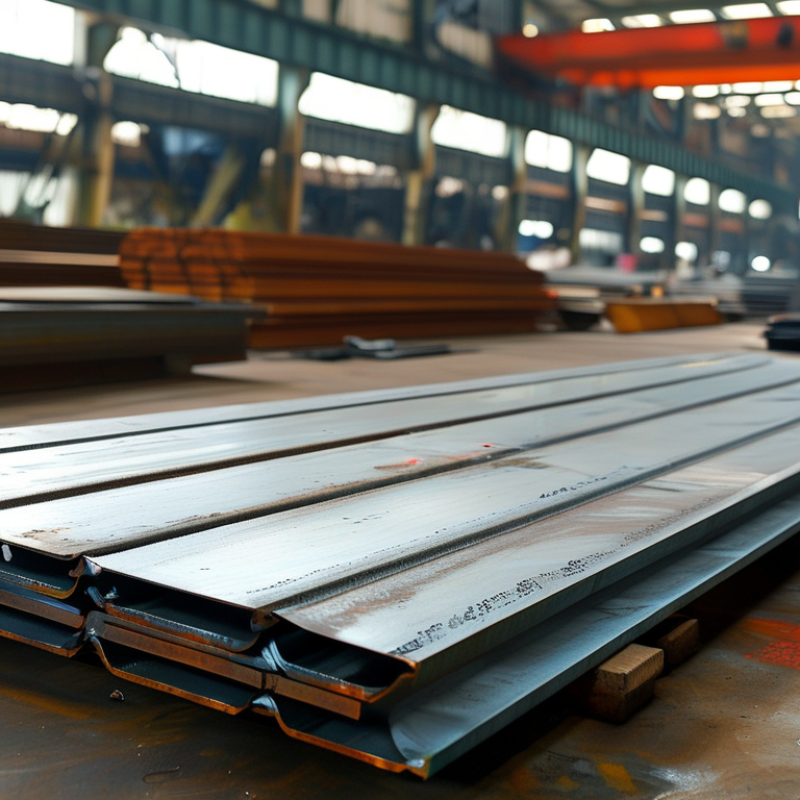
Overview of 304 Stainless Steel and Its Properties
304 stainless steel is a popular material in various industries due to its excellent properties. This type of stainless steel contains a higher amount of chromium and nickel, which enhances its corrosion resistance. It is non-magnetic and can withstand high temperatures, making it versatile for both indoor and outdoor applications.
One notable feature of 304 stainless steel is its durability. It does not rust easily, which is crucial for ensuring long-term performance. However, some users may find that it is not as resistant to saltwater corrosion compared to other alloys. This could be a concern for specific applications, particularly in marine environments. Additionally, while 304 stainless steel is easy to fabricate and weld, achieving the perfect finish requires skill and experience.
Overall, 304 stainless steel provides reliable performance in many applications. Its ability to withstand extreme conditions makes it a go-to option for many manufacturers. However, it is essential to choose the right grade and finish for your specific needs. Understanding its limitations can help prevent potential issues in the future.
Key Manufacturing Processes for 304 Stainless Steel Flat Bars
The manufacturing of 304 stainless steel flat bars involves several key processes that define their quality and performance. Primarily, hot rolling is performed at high temperatures. This process enhances material malleability, allowing it to be shaped into desired dimensions. Researchers note that hot-rolled products typically have better mechanical properties due to the refined grain structure.
Subsequently, cold drawn methods are employed. This process enhances the surface finish and dimensional accuracy of the flat bars. According to industry reports, cold-drawn flat bars exhibit a yield strength increase of up to 20%. Such enhancements make them suitable for demanding applications in construction and automotive sectors.
In addition, annealing is crucial for relieving internal stresses. This heat treatment process helps in maintaining ductility and corrosion resistance. A well-annealed 304 flat bar can retain its strength while being subjected to challenging environments. Yet, not every manufacturer excels in these practices, highlighting the importance of quality control measures throughout production. Engaging with reputable suppliers who adhere to industry standards is essential for ensuring the reliability of 304 stainless steel flat bars.
China Best 304 Stainless Steel Flat Bar for Global Buyers
| Dimension (mm) |
Weight (kg/m) |
Surface Finish |
Typical Applications |
| 20 x 3 |
1.23 |
No. 1 |
Construction, Fabrication |
| 30 x 5 |
2.56 |
Pickled |
Automotive, Engineering |
| 40 x 6 |
3.83 |
Polished |
Kitchen Equipment, Furniture |
| 50 x 8 |
5.10 |
Brushed |
Industrial Tools, Railing |
| 60 x 10 |
6.86 |
Mirror Finish |
Decoration, Architecture |
Applications of 304 Stainless Steel Flat Bars in Various Industries
304 stainless steel flat bars are versatile materials used in various industries. Their corrosion resistance and durability make them suitable for construction, automotive, and manufacturing sectors. According to the International Stainless Steel Forum, around 70% of stainless steel consumption is in construction and architectural applications.
In the automotive sector, these flat bars contribute to vehicle frameworks and components. They enhance safety and durability while reducing weight. A report from Global Steel Innovations noted that lightweight components are critical to improving fuel efficiency. This application will continue to grow as manufacturers seek to balance performance and sustainability.
Moreover, in the manufacturing industry, these bars serve as structural supports, machine parts, and tools. They withstand high temperatures and abrasion. The market for stainless steel in manufacturing has expanded by over 5% annually, driven by increased industrial activities. Despite these advancements, challenges remain. For instance, sourcing reliable suppliers can be a barrier to access high-quality materials.
Applications of 304 Stainless Steel Flat Bars in Various Industries
Quality Standards and Certifications for Stainless Steel Products
When it comes to stainless steel products, quality standards are essential. Buyers seek assurances that the materials they choose meet stringent criteria. These standards often include certifications that reflect reliability and performance. For flat bars made from 304 stainless steel, several important certifications are recognized globally.
ASTM and ISO standards play a crucial role in ensuring quality. ASTM A240 and ISO 9444 are vital specifications for stainless steel sheets and bars. Compliance with these standards guarantees that the material has been tested for strength, durability, and corrosion resistance. This offers buyers peace of mind. However, many manufacturers still struggle with consistent quality. There are instances where products do not fully adhere to these standards, leading to potential risks in projects.
Beyond mere certifications, buyers should also consider the sourcing of their stainless steel. Transparency is key. Understanding where and how the steel is processed can impact its overall quality. Not all suppliers maintain rigorous practices, and this inconsistency can affect project outcomes. Engaging with suppliers who prioritize quality at every step can mitigate these worries and foster stronger outcomes.
Factors to Consider When Sourcing from China for Global Buyers
When sourcing 304 stainless steel flat bars from China, global buyers should consider several factors. The quality of the material is paramount. Reports indicate that stainless steel demand has risen 5% annually, driven by construction and automotive sectors. However, variations exist in quality among different suppliers. Testing and certifications are essential to ensure you receive the right grades of stainless steel.
Pricing strategies also warrant attention. While many suppliers offer attractive prices, understanding production costs and market trends is crucial. A report by the International Stainless Steel Forum highlights that price fluctuations can affect supply chains significantly. Buyers should therefore assess price stability and be wary of deals that seem too good to be true.
Tips for successful sourcing include researching suppliers thoroughly. Requesting sample products before placing bulk orders can help avoid quality issues. Also, considering logistics and shipping can prevent costly delays. Maintaining open communication with manufacturers is key to addressing potential concerns. This process may involve some trial and error, but patience can lead to fruitful partnerships.
FAQS
: It is known for its excellent corrosion resistance and high durability. It is versatile for many applications.
No, 304 stainless steel is non-magnetic, which is beneficial for various uses.
Hot rolling improves malleability and mechanical properties due to refined grain structure. This process shapes the material easily.
Cold drawn processes enhance surface finish and dimensional accuracy. They can increase yield strength by up to 20%.
Annealing relieves internal stresses, maintaining ductility and corrosion resistance in challenging conditions.
Quality is crucial. Variations exist among suppliers, so testing and certifications are necessary to ensure standards.
Price fluctuations can impact supply chains. Understand production costs and be cautious of too-good-to-be-true offers.
Research suppliers thoroughly. Requesting samples can help avoid quality issues in bulk orders.
Open communication is key. It helps address potential concerns and fosters better partnerships.
Yes, it may not be as resistant to saltwater corrosion. Users should be aware of its application limitations.
Conclusion
The article titled "China Best 304 Stainless Steel Flat Bar for Global Buyers?" provides a comprehensive overview of 304 stainless steel and its desirable properties, such as corrosion resistance and durability. It delves into the key manufacturing processes involved in producing 304 stainless steel flat bars, highlighting techniques that ensure high-quality outcomes. Furthermore, the article explores the various applications of these flat bars across different industries, underscoring their versatility in construction, automotive, and food processing sectors.
Additionally, the piece examines the quality standards and certifications that are essential for stainless steel products, emphasizing the importance of compliance for global buyers. It concludes by identifying crucial factors to consider when sourcing 304 stainless steel flat bars from China, including supplier reliability and raw material quality. This information serves as a valuable guide for buyers looking to procure high-quality stainless steel flat bars from Chinese manufacturers.

 Mei Shen STEEL