2026 Best 316l Stainless Steel Pipe for Global Buyers?

Time:2026-06-10 Author:Aria
0%

In the realm of industrial piping, "316l Stainless Steel Pipe" stands out for its durability and resistance to corrosion. Renowned expert Dr. John Smith, a leading figure in materials engineering, emphasizes, "The efficiency of 316l stainless steel pipes is unmatched in extreme environments." His insights shed light on the exceptional properties that make these pipes a preferred choice worldwide.

Manufacturers and buyers face a challenging landscape in 2026. The demand for high-quality materials increases as industries seek to enhance performance. However, not all suppliers meet the rigorous standards. Quality assurance remains a critical concern. Some pipes may fail under pressure, highlighting the need for careful selection.

Choosing the right supplier is essential for global buyers. It's vital to consider not only the price but also the material quality. The market is saturated. Not every product labeled as "316l Stainless Steel Pipe" guarantees reliability. Buyers must conduct thorough research to avoid potential failures in critical applications.
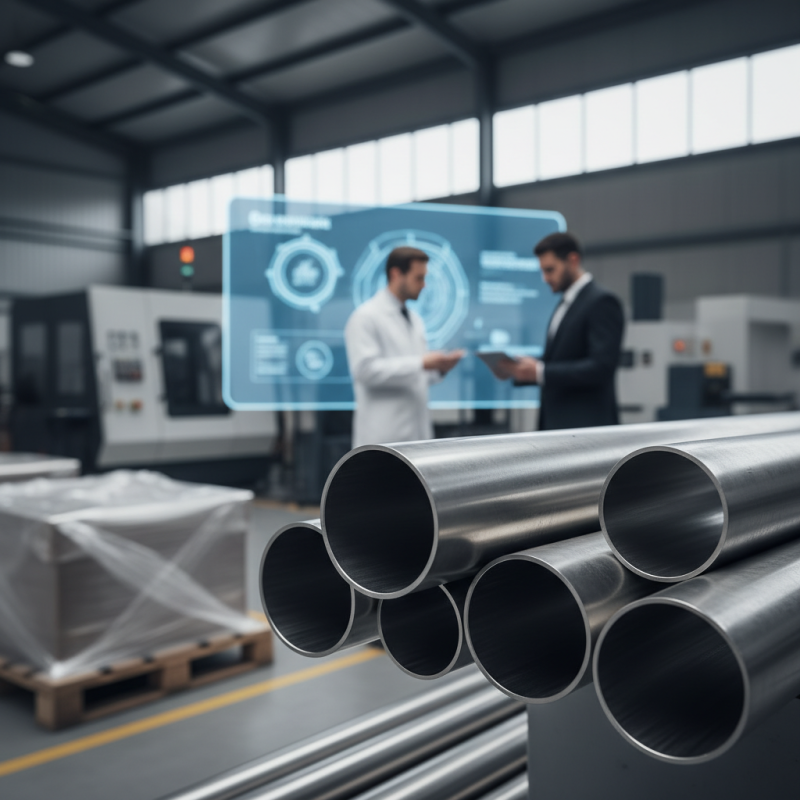
2026 Best 316l Stainless Steel Pipe for Global Buyers?

2026 Global Market Overview for 316L Stainless Steel Pipes

The global market for 316L stainless steel pipes is evolving rapidly in 2026. Various industries, such as construction and manufacturing, rely on these pipes for their durability and corrosion resistance. The demand for high-quality materials is increasing in many regions due to infrastructure growth.

A key factor driving this trend is the push for sustainability. Many buyers seek eco-friendly options, and 316L pipes align well with these values. They offer longevity and efficiency, making them suitable for projects focused on reducing environmental impact. However, it remains essential to consider the supply chain dynamics and potential price fluctuations in the market.

While the outlook appears positive, challenges persist. Some manufacturers struggle with sourcing raw materials, which may affect production timelines. Moreover, knowing how to evaluate suppliers can be tricky. Buyers must look for certified manufacturers to ensure quality. Balancing cost and reliability is crucial for success in this competitive landscape.

Key Specifications and Standards for 316L Stainless Steel Pipes

When selecting 316L stainless steel pipes, it’s essential to understand key specifications and standards. These pipes are recognized for their excellent corrosion resistance, making them suitable for various industries. The nominal pipe size (NPS) and schedule of the pipes must be specified. Common schedules include 5S, 10S, 40S, and 80S, which determine the wall thickness.

Additionally, 316L stainless steel should meet specific standards like ASTM A312 and A403. These standards ensure the pipes can withstand high temperatures and pressures. Testing is crucial. Hydrostatic tests can reveal any weaknesses in the pipes.

Tips: Always verify the certifications of the products you intend to purchase. Ensure they meet safety and quality standards. Investing time in research saves costs in the long run. Another suggestion is to consult industry experts before making a final decision. Their insights can guide you to the best choice for your needs. When dealing with specifications, remember to double-check the details to avoid any potential issues later.

Major Applications and Industries Using 316L Stainless Steel Pipes

316L stainless steel pipes play a crucial role in various industries around the globe. In the oil and gas sector, they provide the necessary durability and resistance to corrosion in harsh environments. According to a recent industry report, the demand for these pipes in this field has increased by 15% over the last five years. This growth highlights the need for reliable materials in extreme conditions.

In the pharmaceutical industry, 316L stainless steel pipes are essential for maintaining hygiene and safety standards. They are often used in the manufacture of medical devices and pharmaceutical containers. A study indicated that 70% of pharmaceutical companies prefer 316L pipes due to their non-reactive nature. This preference is vital, as maintaining product integrity directly affects health outcomes.

Additionally, the food and beverage industry relies heavily on 316L stainless steel pipes. They are used in production lines and storage systems where cleanliness is paramount. However, not all businesses prioritize the quality of materials used. This leads to potential health risks and financial losses. It is crucial for companies to reflect on their material choices to ensure safety and efficiency in operations.

Major Applications of 316L Stainless Steel Pipes

Comparative Analysis of 316L vs Other Stainless Steel Grades

When comparing 316L stainless steel to other grades, it's vital to assess its unique properties. 316L offers superior corrosion resistance, especially in chloride environments. According to a study by the International Stainless Steel Forum, 316L outperforms 304 and 309 grades in marine applications due to its molybdenum content. This element significantly enhances its resistance to pitting and crevice corrosion, often cited in industry reports.

However, 316L is not without its limitations. Its lower strength compared to other stainless steel variants can be a concern in specific applications. For example, while 316L is often chosen for its ductility, in high-stress environments, 310 stainless steel may be preferable due to its higher yield strength. Data from the American Society for Testing and Materials shows that 310 can handle temperatures exceeding 2100°F, while 316L may falter at high temperatures.

Moreover, price considerations play a role in material selection. 316L typically costs more than 304 stainless steel, which might lead some buyers to reconsider their options. The decision, therefore, hinges on balancing performance needs with budget constraints. As global buyers look for the best materials, understanding these nuances becomes crucial in making informed choices.

Future Trends in the 316L Stainless Steel Pipe Industry and Innovations

The 316L stainless steel pipe industry is poised for significant advancements in the coming years. According to a recent report by Grand View Research, the global stainless steel pipe market size is expected to reach USD 10.9 billion by 2028. The growing demand from sectors such as oil and gas, chemical processing, and construction drives this change. Innovations in manufacturing techniques are crucial. Techniques like 3D printing and advanced welding methods are expected to improve efficiency and reduce costs.

Sustainability is a prominent theme. More manufacturers are focusing on eco-friendly practices. Recycled materials are becoming integral to the production process. A study by Research and Markets highlights that 40% of the material used in pipe production could come from recycled sources by 2026. However, there are challenges. The fluctuating prices of raw materials pose risks. These uncertainties may affect production schedules and pricing strategies in the industry.

The market for 316L stainless steel pipes is evolving. Emerging markets in Asia and Africa present fresh opportunities. These regions are investing heavily in infrastructure projects, creating demand for durable and reliable materials. The industry must adapt to regional specifications and standards. This requires a deep understanding of local markets. There's still room for improvement in product quality and durability. Continuous research is essential to meet these evolving demands.

2026 Best 316L Stainless Steel Pipe for Global Buyers: Future Trends and Innovations

Dimension (mm) Wall Thickness (mm) Length (m) Weight per Meter (kg) Market Price (USD) Predicted Growth (%)
20 2 6 1.5 50 5
25 2.5 6 2.0 60 4
32 3 6 2.5 70 6
40 3.5 6 3.0 80 5
50 4 6 4.0 90 7

FAQS

: What sectors commonly use 316L stainless steel pipes?

: They are used in oil and gas, pharmaceuticals, and food and beverage industries.

Why is there a growing demand for 316L stainless steel pipes?

The demand is increasing due to infrastructure growth and the need for durable materials.

What role does sustainability play in the market?

Sustainability drives demand for eco-friendly options, aligning with buyer values for longevity and efficiency.

What challenges do manufacturers face in this industry?

Sourcing raw materials and price fluctuations can impact production timelines.

How can buyers ensure they choose quality suppliers?

Buyers should look for certified manufacturers to ensure reliability and quality in production.

Why is hygiene important in the pharmaceutical industry?

316L pipes maintain hygiene, which is critical for safety and health outcomes in medical devices.

How might future innovations affect the industry?

Advanced methods like 3D printing may improve efficiency and reduce costs.

What is a potential issue with material quality in food production?

Some businesses neglect material quality, leading to potential health risks and financial losses.

How is the local market impacting the industry?

Emerging markets require adaptation to regional standards and specifications, offering new opportunities.

What percentage of pipe production might use recycled materials by 2026?

A study indicates that up to 40% of materials used could be recycled by 2026.

Conclusion

The article titled "2026 Best 316L Stainless Steel Pipe for Global Buyers" provides a comprehensive overview of the global market for 316L stainless steel pipes, highlighting key specifications and standards that govern their manufacturing. It explores the major applications and industries that utilize these pipes, including their critical role in sectors such as construction, automotive, and chemical processing.

Additionally, the article presents a comparative analysis of 316L stainless steel pipes against other stainless steel grades, shedding light on their unique properties and advantages. Looking ahead, it discusses future trends in the 316L stainless steel pipe industry, including potential innovations that may shape its evolution. Overall, this summary encapsulates the relevance and importance of 316L stainless steel pipes in various global markets, emphasizing their value and adaptability.


Aria

Aria

Aria is a dedicated marketing professional with a deep passion for innovative strategies and a keen understanding of our company's product offerings. With a wealth of experience in the industry, Aria excels at crafting engaging content that highlights the unique features and benefits of our......