Choosing between 304 and 316 stainless steel wire can be challenging. Each type has unique properties that suit different applications. As an expert in stainless steel production, Dr. Emily Tran states, "The right choice depends largely on the environment and intended use."
304 stainless steel wire offers good corrosion resistance and is often used in decorative applications. However, it may not perform well in harsh conditions. In contrast, 316 stainless steel wire contains molybdenum, enhancing its ability to resist corrosion, especially in marine environments. This makes it a preferred choice for applications exposed to saltwater.
Understanding the strengths and weaknesses of 304 and 316 stainless steel wire is crucial. While 304 is economically viable, its limitations become apparent in some situations. Choosing the right wire not only impacts durability but also affects overall project success. Careful consideration of these materials ensures you select the best option for your needs.
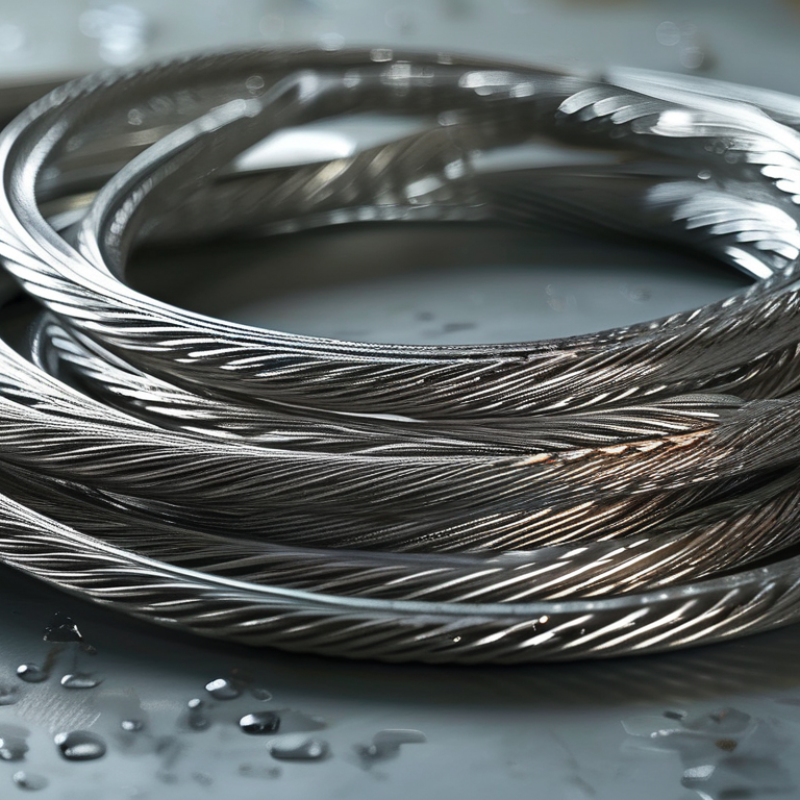
Best Applications for 304 Stainless Steel Wire in Various Industries
When choosing between 304 and 316 stainless steel wire, the applications of 304 stainless steel wire are particularly notable across various industries. This wire is widely used in food processing due to its excellent corrosion resistance. According to industry reports, 304 stainless steel has over 65% content of chromium and nickel, making it ideal for environments that require sanitation and durability.
In construction, 304 stainless steel wire is often used for structural applications. Its mechanical properties provide strength without adding excessive weight. A recent analysis indicated that 304 wire maintains impressive tensile strength, even under extreme temperatures, which is why it’s popular in architecture. Additionally, its weldability makes it an excellent choice for various fabrication processes.
Moreover, the automotive industry frequently employs 304 stainless steel wire in components that face harsh conditions. Its resistance to oxidation plays a critical role in ensuring longevity. While 304 is suitable for many applications, some industries require higher resistance to chlorides, suggesting careful consideration is needed. Balancing costs against performance requirements often leads to decisions that reflect both practical needs and theoretical insights.
Comparative Corrosion Resistance of 304 and 316 Stainless Steel Wires
When choosing between 304 and 316 stainless steel wires, corrosion resistance is a key factor. The primary difference lies in their composition. 304 stainless steel contains 18% chromium and 8% nickel, while 316 has 16% chromium, 10% nickel, and 2% molybdenum. Molybdenum significantly boosts corrosion resistance, especially against chlorides.
A comprehensive study by the Nickel Institute shows that 316 stainless steel can withstand saline environments better than 304. In marine applications, 304 may corrode within a few months, whereas 316 exhibits significantly longer service life. In fact, 316 is often recommended for coastal industrial and marine environments. The addition of molybdenum helps prevent pitting in high-chloride conditions. This is vital in applications ranging from chemical processing to food preparation.
Tip: If you are working in a highly corrosive environment, consider opting for 316 stainless steel. It may come at a higher cost, but its longevity can justify the investment.
However, it’s important to remember that no stainless steel is completely immune to corrosion. Even 316 can fail under extreme conditions, such as in the presence of strong acids or bases. Regular maintenance and monitoring are essential to ensure performance.
Tip: Conduct regular inspections of your stainless steel wires. This practice can help identify early signs of wear or corrosion, allowing for timely interventions.
Mechanical Properties: Strength and Flexibility in 304 vs 316 Wires
When comparing 304 and 316 stainless steel wire, mechanical properties play a crucial role. Both types exhibit high tensile strength, but their flexibility can differ significantly. 304 stainless steel wire boasts a yield strength of around 215 MPa, which makes it suitable for many general applications. However, it can lack corrosion resistance in specific environments, limiting its usability.
In contrast, 316 stainless steel wire offers a slightly lower yield strength of about 200 MPa but excels in flexibility. This advantage stems from its molybdenum content, which enhances corrosion resistance. In marine environments or those with chlorides, 316 wire stands out, offering up to 10 times better performance than 304 wire. Recent industry studies indicate that while 304 may perform adequately indoors, 316 is often the go-to choice in harsh conditions.
However, using either wire type presents consideration challenges. For instance, while 304 is cost-effective, its susceptibility to pitting can be an issue. On the other hand, 316's higher price point may deter some users despite its better longevity. Understanding these properties aids in selecting the right wire for your needs. Both options have strengths and weaknesses, and careful consideration of the application is essential.
Best 304 vs 316 Stainless Steel Wire Comparison
| Properties |
304 Stainless Steel |
316 Stainless Steel |
| Yield Strength (MPa) |
215 |
290 |
| Tensile Strength (MPa) |
505 |
580 |
| Elongation at Break (%) |
40 |
40 |
| Corrosion Resistance |
Moderate |
Excellent |
| Applications |
Kitchen Equipment, Food Processing |
Chemical Processing, Marine Applications |
Cost Analysis: Long-term Value of 304 vs 316 Stainless Steel Wire
When choosing between 304 and 316 stainless steel wire, cost is a significant factor. 304 stainless steel is generally less expensive. It offers decent corrosion resistance suitable for many applications. However, it may not hold up well in harsh environments. Over time, this can lead to more repairs and replacements.
On the other hand, 316 stainless steel wire provides superior resistance to corrosion and is more durable. This makes it a better choice for marine environments or chemical exposure. While the initial cost is higher, it can save money in the long run. Fewer maintenance issues lead to lower total expenses. It’s important to weigh these factors based on usage.
Investing in 316 stainless steel might seem excessive upfront. But think about how often you’ll need to replace or repair materials. Reflecting on these costs is essential. Your environment and long-term needs should guide your decision. Each option has its merits, but understanding your specific requirements is key.
Choosing the Right Stainless Steel Wire for Specific Environmental Conditions
When selecting stainless steel wire, it's crucial to consider the environment. 304 stainless steel wire is versatile but may not perform well in harsh conditions. It contains nickel and chromium, making it resistant to oxidation but not ideal for coastal areas. Exposure to saltwater can lead to corrosion over time. The moisture in the air can exacerbate this issue.
On the other hand, 316 stainless steel wire is specifically designed for tough situations. It includes molybdenum, which enhances its resistance to chlorides. This makes it suitable for marine environments and chemical processing. If your application involves exposure to aggressive chemicals, 316 is a stronger choice. It offers long-term reliability, though it comes at a higher cost.
Each option has its pros and cons. While 304 might be sufficient for mild environments, 316 typically requires less maintenance. Consider the specific factors at play in your application to make an informed choice. Always assess your long-term needs. This can be challenging, as each project is unique. Finding the right wire could save time and resources in the long run.
Conclusion
The article "Best 304 vs 316 Stainless Steel Wire: Which is Right for You?" provides a comprehensive comparison of 304 and 316 stainless steel wires, focusing on their applications, corrosion resistance, mechanical properties, cost analysis, and suitability for various environmental conditions. It highlights that 304 stainless steel wire is ideal for a range of industries, while 316 stainless steel wire offers superior corrosion resistance, making it more suitable for harsher environments.
Additionally, the article discusses the mechanical properties of both types of wires, emphasizing their strength and flexibility. A cost analysis is provided to evaluate the long-term value of 304 vs 316 stainless steel wire, helping readers make informed decisions based on their specific needs. Ultimately, choosing the right stainless steel wire depends on understanding the environmental conditions and requirements of the intended application.

 Mei Shen STEEL