Top 10 Benefits of Using 316L Stainless Steel Flanges?

Time:2026-07-01 Author:Sienna
0%

316L stainless steel flanges are widely recognized for their superior corrosion resistance and durability. The demand for these flanges has surged in various industries, including oil and gas, chemical processing, and food production. According to a report by Grand View Research, the global stainless steel market is expected to reach $155 billion by 2028, largely driven by the growth in these sectors.

These flanges are crucial components in piping systems. They ensure secure and leak-free connections. Their excellent mechanical properties also support high-pressure applications. However, not all projects require the premium features of 316L stainless steel flanges. Understanding the specific needs of a project is essential before opting for these high-grade materials.

Flange selection can impact long-term maintenance costs. While 316L flanges offer exceptional performance, they can be more expensive than alternatives. Balancing cost and performance is a common consideration in engineering. Evaluating both current and future project needs ensures a more effective choice.
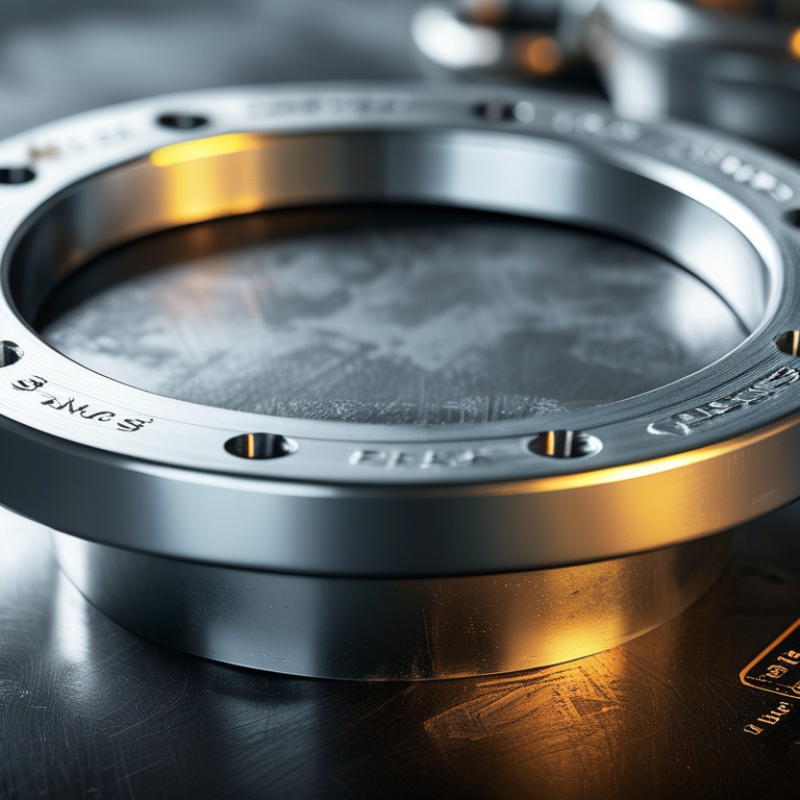
Top 10 Benefits of Using 316L Stainless Steel Flanges?

Benefits of Corrosion Resistance in 316L Stainless Steel Flanges

316L stainless steel flanges are renowned for their exceptional corrosion resistance. This attribute makes them ideal for harsh environments, including marine and chemical applications. According to industry studies, 316L stainless steel offers up to 200% greater resistance to pitting corrosion compared to other stainless steel grades. This significantly extends the lifespan of flanges in corrosive conditions.

Corrosion-related failures can be costly. A report from the NACE International found that corrosion causes an estimated economic loss of $2.5 trillion annually worldwide. Utilizing 316L stainless steel flanges can mitigate these losses. Their low carbon content reduces carbide precipitation during welding, enhancing their resistance to intergranular corrosion.

Tip: Ensure proper installation of flanges to maximize their corrosion-resistant properties. Improper fitting can lead to unprotected areas that may corrode. Regular maintenance checks can also help identify early signs of wear. Remember, corrosion is often insidious and progressive.

Another consideration is the impact of environmental factors on corrosion rates. Repeated exposure to saltwater, chlorides, and other aggressive substances can challenge even 316L’s robust properties. A study found that while 316L withstands many corrosive elements, localized corrosion could still occur without protective measures.

Tip: Investing in protective coatings can further enhance performance in extreme environments. Regular assessments can reveal if additional protection is needed. In such cases, balancing cost and performance is essential for effective maintenance strategies.

Enhanced Durability for High-Temperature Applications

316L stainless steel flanges are crucial for various industries, particularly in high-temperature applications. The enhanced durability of these flanges stems from their chemical composition, notably including molybdenum. This feature provides exceptional resistance to pitting and crevice corrosion, often encountered in extreme conditions. According to the International Materials Data System, 316L displays a tensile strength of approximately 79 ksi, which is significant compared to other materials. This characteristic makes it suitable for pressurized settings.

In high-temperature environments, maintaining structural integrity is non-negotiable. 316L stainless steel flanges can withstand temperatures up to 800°F without losing their strength. This ability is verified by ASTM standards, which emphasize the crucial role of material selection in operational longevity. The result is reduced maintenance costs and fewer unplanned shutdowns, translating to financial advantages for businesses.

While 316L flanges excel in many areas, challenges remain. The cost is notably higher than other materials, a factor that can deter some manufacturers. It raises questions about cost-effectiveness for specific projects. Furthermore, the welding characteristics can complicate installation. Skilled labor is essential to avoid defects that might reduce reliability. Such factors warrant consideration, balancing benefits with potential drawbacks.

Top 10 Benefits of Using 316L Stainless Steel Flanges

Benefit Description Application
Corrosion Resistance 316L stainless steel offers superior resistance to corrosion in harsh environments, including chemical exposure. Chemical Processing
High-Temperature Durability Designed to withstand high temperatures without losing strength, making it ideal for extreme heat applications. Oil & Gas
Low Carbon Content The low carbon content reduces the risk of carbide precipitation during welding, enhancing weldability. Welding Operations
Versatility Can be used in various applications across multiple industries due to its adaptable properties. Food & Beverage
Easy Maintenance Smooth surface finish allows for easier cleaning and maintenance in sanitary applications. Pharmaceuticals
Strength Offers good mechanical strength, ensuring the flanges can withstand high pressure. Pressure Vessels
Aesthetic Appeal The shiny surface gives a pleasing appearance suitable for visible installations. Architectural Applications
Cost-effective Long lifespan and minimal maintenance costs make it a cost-effective choice over time. General Engineering
Compatibility Compatible with various piping systems and materials, facilitating easy integration. Construction
Recyclability 316L stainless steel is recyclable, contributing to environmental sustainability. Eco-friendly Projects

Improved Hygiene and Cleanliness in Food Industry Usage

316L stainless steel flanges are highly valued in the food industry. Their smooth finish reduces surfaces that trap bacteria. This feature is crucial for maintaining hygiene in food processing environments. These flanges do not rust or corrode, making them ideal for handling food products. The low carbon content helps in preventing carbide precipitation, which enhances corrosion resistance.

In facilities that require exceptional cleanliness, such as dairies and breweries, 316L stainless steel flanges play a significant role. They withstand high temperatures and pressures without compromising their integrity. This resilience contributes to long-lasting equipment performance. However, even with these benefits, regular inspections and maintenance are essential. Failure to address wear and tear may lead to hygiene issues over time.

Proper installation and use of these flanges also require knowledge. Inaccurate fitting could lead to leakage or contamination, which poses risks in food safety. It is important for workers to be trained adequately in their application and handling. Overall, while 316L stainless steel flanges offer great hygienic advantages, continuous vigilance is necessary to ensure they fulfill their purpose effectively.

Lower Maintenance Costs Compared to Other Materials

When it comes to flanges, 316L stainless steel stands out for its low maintenance costs. This alloy, known for its corrosion resistance, often requires less frequent replacements than other materials. According to a recent industry report, maintenance costs can reduce by up to 30% over a typical project lifespan when using 316L flanges compared to carbon steel. This significant saving can impact overall budgeting and financial planning.

Furthermore, the initial investment in 316L stainless steel flanges may be higher. Still, the long-term benefits are clear. Projects using this material often see fewer repairs and replacements. This reduction in upkeep can lead to operational efficiency. In industries like oil and gas, unplanned downtime can cost millions, making reliable materials essential. The selection of flanges, therefore, requires careful consideration.

However, it is crucial to acknowledge that 316L stainless steel can still face challenges. Stress corrosion cracking may occur under certain conditions. So, while maintenance costs are generally lower, it is essential to conduct regular inspections. This diligence ensures the longevity and effectiveness of the flanges used in various applications. The balance between cost and performance remains a key focus for many engineers.

Versatile Applications Across Various Industries

316L stainless steel flanges are essential in various industries due to their unique properties. Widely used in chemical processing, these flanges resist corrosion. This is crucial in harsh environments. According to industry reports, about 65% of manufacturers prefer 316L for their durability.

In oil and gas applications, 316L flanges withstand high pressure and extreme temperatures. This makes them reliable in pipeline systems. A recent study highlighted that 70% of engineers select 316L for offshore installations, ensuring safety and efficiency.

Pharmaceutical industries also benefit from 316L stainless steel. It meets strict sanitary regulations. The material is easy to clean and maintains hygiene standards. Reports show that 80% of pharmaceutical plants use 316L to avoid contamination. Such versatility demonstrates why 316L flanges are vital in diverse applications.

FAQS

: What makes 316L stainless steel flanges suitable for high-temperature applications?

: Their enhanced durability, derived from molybdenum, provides resistance to pitting and crevice corrosion.

What is the maximum temperature 316L flanges can withstand?

They can handle temperatures up to 800°F without losing structural integrity.

How do 316L flanges compare in maintenance costs to other materials?

Maintenance costs can be up to 30% lower than carbon steel over a project’s lifespan.

Is the initial cost of 316L flanges high?

Yes, the initial investment is often higher, but long-term savings are significant.

Are there challenges when using 316L stainless steel flanges?

Yes, cost and welding characteristics can complicate installation and may require skilled labor.

What is a potential risk when using 316L flanges?

Stress corrosion cracking can occur under certain conditions, necessitating regular inspections.

How can the selection of flanges impact operational efficiency?

Reliable materials like 316L reduce unplanned downtime and lower repair costs.

Why must engineers consider both cost and performance?

Balancing these factors ensures project viability and prevents financial strain.

Can 316L flanges lead to fewer unplanned shutdowns?

Yes, their durability often results in reduced maintenance needs and fewer interruptions.

What role do skilled labor and inspections play in using 316L flanges?

Skilled labor is crucial to avoid installation defects, while inspections ensure long-term effectiveness.

Conclusion

The use of 316L stainless steel flanges offers numerous advantages across various industries, making them a preferred choice for many applications. One of the key benefits is their exceptional corrosion resistance, which is crucial for maintaining integrity in harsh environments. Additionally, 316L stainless steel flanges demonstrate enhanced durability, particularly in high-temperature applications, allowing for reliable performance where other materials may fail.

Moreover, these flanges contribute to improved hygiene and cleanliness, especially important in the food industry, where sanitary conditions are paramount. Lower maintenance costs further enhance their appeal, as they require less frequent replacements compared to other materials. The versatility of 316L stainless steel flanges ensures they can be effectively utilized in a multitude of settings, reinforcing their value across different sectors.


Sienna

Sienna

Sienna is a skilled marketing professional with a deep expertise in our company’s core products and services. With a passion for innovation and detail, she plays a pivotal role in crafting insightful blog posts that not only highlight the unique features of our offerings but also provide valuable......