The 316L Stainless Steel Flat Bar is widely recognized for its exceptional properties in various industries. According to a report by the International Stainless Steel Forum (ISSF), demand for 316L stainless steel is projected to grow by 5% annually due to its remarkable corrosion resistance and strength. Industry expert Dr. Emily Carter states, "Choosing 316L Stainless Steel Flat Bar is essential for projects requiring durability and longevity."
This material stands out in applications from construction to marine environments. Its low carbon content enhances its weldability, making it a preferred choice for many engineers. However, buyers often overlook factors like sourcing quality bars to ensure they meet stringent industry standards.
Moreover, while the advantages are clear, the market can be confusing. Some products may not deliver the stated performance. It's crucial for buyers to conduct thorough research and consult with experts to avoid these pitfalls. Understanding these dynamics can lead to better decision-making when investing in 316L Stainless Steel Flat Bar.
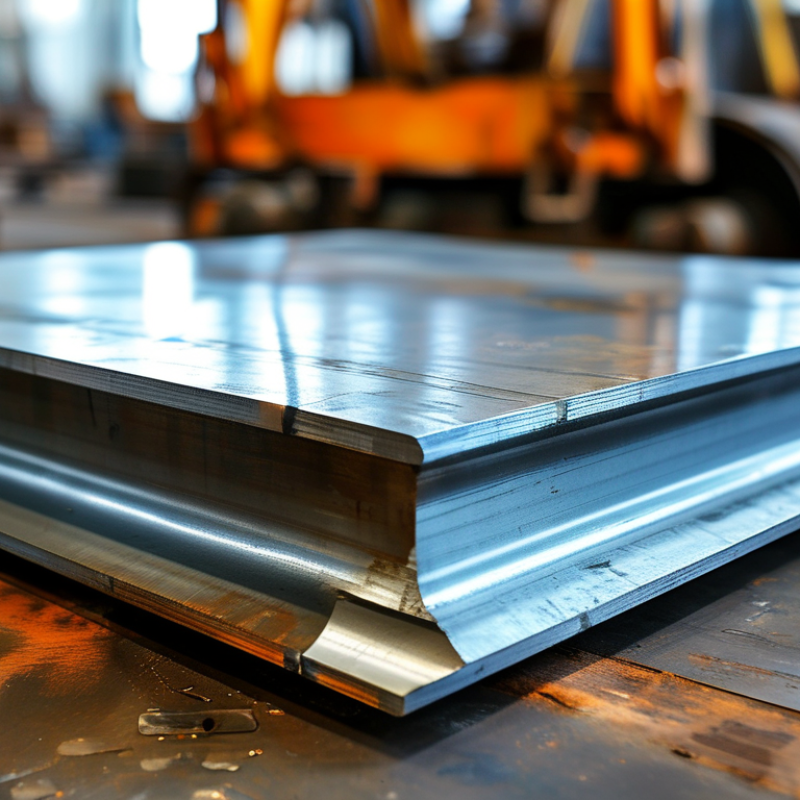
316L stainless steel flat bar is known for its impressive properties. This alloy, enriched with molybdenum, enhances corrosion resistance. It withstands harsh environments, making it suitable for various applications. Its non-reactive quality ensures safety in food processing, pharmaceuticals, and more.
The mechanical strength of 316L stainless steel flat bar is another key benefit. It maintains durability and structural integrity under heavy loads. This property is crucial in construction and manufacturing sectors. However, despite its strength, the material can be prone to pitting in certain environments. Users need to be aware of these nuances.
Weldability is essential for many projects. 316L stainless steel flat bar excels in this area, allowing for ease of fabrication. This flexibility can lead to reduced production costs and time. Still, proper welding techniques are vital to avoid issues like warping. Understanding these characteristics helps in making informed decisions about material use.
316L stainless steel is known for its excellent corrosion resistance. This attribute is crucial in many environments. It contains molybdenum, which enhances its ability to withstand chloride corrosion. Studies have shown that 316L displays a lower corrosion rate, making it ideal for the marine and chemical industries.
Durability is another significant benefit. 316L stainless steel exhibits strong mechanical properties. It maintains its strength even at elevated temperatures. Reports indicate that the tensile strength of 316L can exceed 80,000 psi. This makes it reliable for structural applications. However, users should be cautious about thermal fatigue. Under extreme temperature fluctuations, some degradation may occur.
Tip: When selecting 316L stainless steel, ensure to consider the specific environmental factors it will face.
The versatility of 316L extends beyond corrosion. Its formability allows for intricate designs and shapes. This adaptability does come with trade-offs; welding might require careful consideration to prevent weakening. Professionals recommend using filler materials compatible with 316L to maintain its properties.
Tip: Always evaluate the intended application and environmental conditions before making your choice.
316L stainless steel flat bars have a wide range of applications across various industries. Their high resistance to corrosion makes them ideal for use in the biomedical field. Surgeons and medical device manufacturers rely on them for tools and implants. Their durability helps prevent infection, crucial for patient safety.
The food processing industry also benefits significantly from 316L flat bars. These bars withstand harsh environments, including exposure to cleaning chemicals. They can be found in equipment like tanks and piping systems. The non-reactive nature of 316L ensures food safety, maintaining flavor and quality.
In marine applications, the 316L flat bar's resistance to saltwater corrosion is vital. Shipbuilders utilize it for structural support and fixtures. However, it’s important to ensure the right alloy is chosen for the specific marine conditions. Miscalculations can lead to premature wear or structural failures, emphasizing the need for expert guidance in material selection.
316L stainless steel flat bars offer significant cost-effectiveness for various applications. Unlike other materials, 316L has superior corrosion resistance, which reduces maintenance costs over time. This durability makes it an appealing option for industries such as construction and manufacturing. The long lifespan means buyers can save money on replacements and repairs.
Additionally, 316L stainless steel flat bars are readily available in various sizes and can be easily fabricated. This flexibility adds to their value. Projects can use them in diverse environments without worrying about degrading quality. It's a practical choice for architects and engineers aiming to balance performance with budget constraints. Not all buyers consider the installation costs, which can fluctuate based on material choice. Yet, the long-term savings with 316L can outweigh initial expenditures.
Reflecting on the reliability of this material is essential. Some may overlook potential price fluctuations or supply chain issues that might affect overall costs. Furthermore, miscalculating project needs may lead to over or under-purchasing. Educating oneself on the properties and uses of 316L stainless steel flat bars can greatly enhance decision-making. Buyers should seek advice to ensure they maximize the value of their investments in this versatile material.
The environmental impact of 316L stainless steel is noteworthy. This type of steel is known for its resistance to corrosion. It performs well in harsh environments, ensuring longevity. When used in construction, it reduces waste over time. Fewer replacements are needed, which is beneficial for the planet.
Sustainability is a critical aspect of 316L stainless steel production. The materials used are often recyclable. This recycling process contributes to a lower carbon footprint. However, the production itself can be energy-intensive. It raises concerns about resource use and energy consumption. Striking a balance is essential.
Industry players must consider these factors. They must focus on reducing the environmental impact during production. Innovative methods are required to enhance sustainability. Community awareness is also vital in promoting responsible use. Thoughtful practices can lead to collective benefits.
: It contains molybdenum, enhancing its resistance to chloride corrosion, crucial in various environments.
It maintains strong mechanical properties and tensile strength, but users should watch for thermal fatigue.
Its longevity reduces maintenance costs and replacement needs, making it ideal for many industries.
Evaluate the environmental factors it will face, as they can greatly influence its performance.
Yes, it is available in various sizes and can be shaped for diverse applications.
Careful welding is necessary to avoid weakening, and price fluctuations may impact overall costs.
Yes, they offer reduced maintenance costs and a long lifespan which can save money over time.
Educating oneself on 316L properties and consulting professionals can help maximize investment value.
Installation costs can vary, so it's essential to consider these when budgeting for projects.
Yes, its formability allows for complex shapes, but potential trade-offs need consideration.
The article "Top 10 Benefits of 316L Stainless Steel Flat Bar for Buyers" highlights the crucial attributes of 316L Stainless Steel Flat Bar that make it an excellent choice for various applications. Notably recognized for its superior corrosion resistance and durability, 316L Stainless Steel Flat Bar is ideal for environments that demand longevity and reliability. Its application spans several industries, including construction, marine, and pharmaceuticals, where its performance can significantly enhance the quality and safety of projects.
Additionally, the article discusses the cost-effectiveness of 316L Stainless Steel Flat Bar, emphasizing its long-term value as a material choice. The sustainability aspect is also addressed, showcasing how 316L stainless steel contributes to environmentally friendly practices due to its recyclability and reduced need for maintenance. By understanding these benefits, buyers can make informed decisions about incorporating 316L Stainless Steel Flat Bar into their projects, thus ensuring durability and performance while being environmentally conscious.

Mei Shen STEEL